

 By Vinod Ram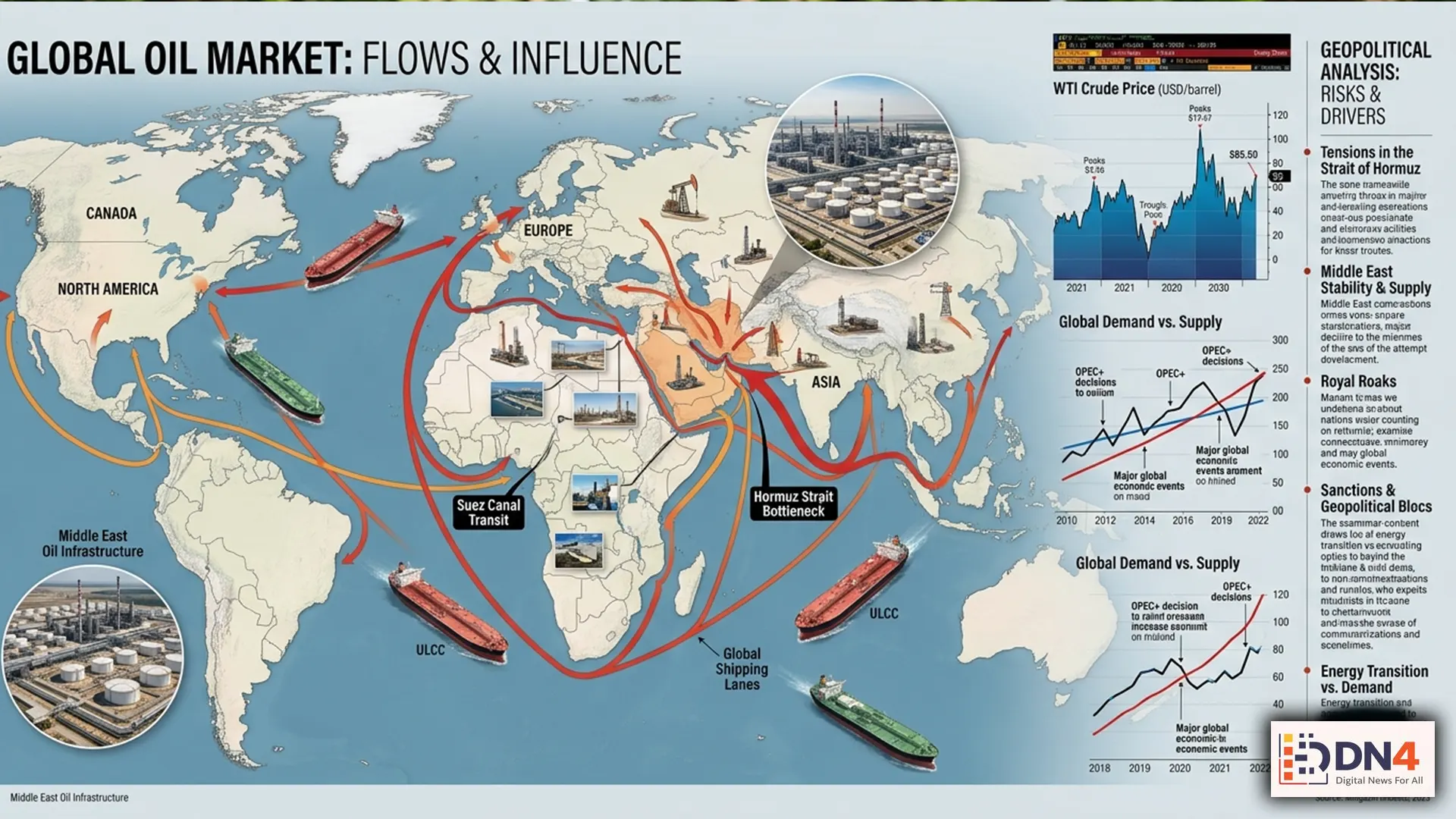
The Middle East has long been a critical center of global energy production, supplying a substantial share of the world’s crude oil exports. As geopolitical dynamics evolve in 2026, security developments across the region are once again influencing oil prices, investor sentiment, and economic forecasts worldwide.
From shipping routes and energy infrastructure to diplomatic negotiations and regional alliances, every security-related event can have significant consequences for energy markets. Analysts, policymakers, and investors are closely monitoring these developments as oil remains one of the world’s most strategically important commodities.
Organizations such as OPEC, International Energy Agency (IEA), and World Bank continue to assess how geopolitical shifts affect energy security and economic stability.
Why the Middle East Matters to Global Oil Markets
The region accounts for a significant portion of global oil reserves and exports. Major producers including Saudi Arabia, Iraq, the United Arab Emirates, Kuwait, and Iran play vital roles in balancing global supply and demand.
Strategic maritime routes such as the Strait of Hormuz remain particularly important. According to research from the U.S. Energy Information Administration, a substantial percentage of global oil shipments pass through this narrow waterway each day.
Any perceived threat to transportation routes can immediately influence oil futures markets and trigger price volatility.
Security Concerns and Market Reactions
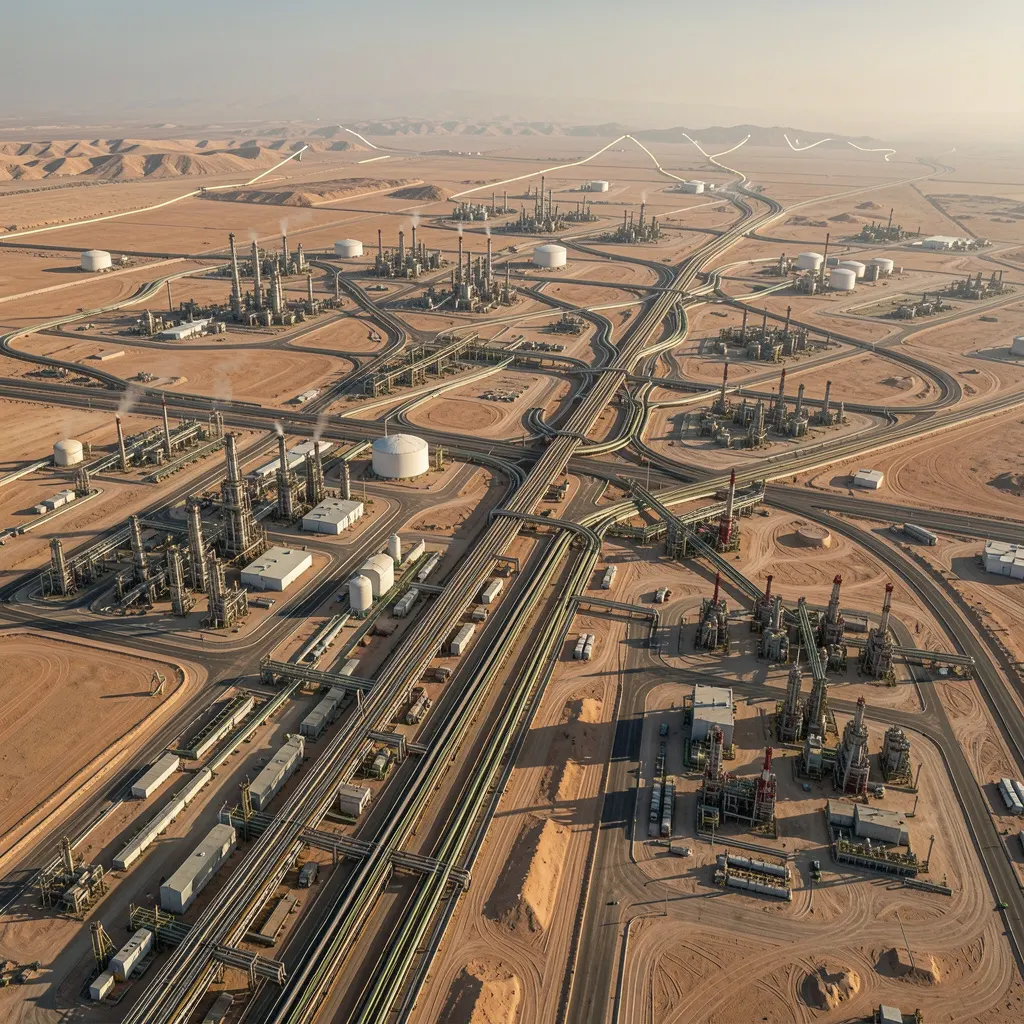
Energy markets are highly sensitive to uncertainty. Security incidents, military activity, cyber threats targeting infrastructure, or disruptions to shipping lanes can increase concerns about supply reliability.
Financial institutions including Goldman Sachs and JPMorgan Chase regularly evaluate geopolitical risks when forecasting oil price movements.
Even when actual production remains unchanged, perceived risks often lead traders to price in a “geopolitical premium,” pushing crude oil prices higher.
The Impact on Consumers and Businesses
Higher oil prices can affect economies worldwide through increased transportation costs, higher fuel prices, and elevated operating expenses for businesses.
- Higher gasoline and diesel prices
- Increased airline operating costs
- Rising shipping and logistics expenses
- Inflationary pressure on consumer goods
- Greater volatility in financial markets
Countries heavily dependent on energy imports are particularly vulnerable to prolonged price increases.
The Growing Role of Energy Diversification
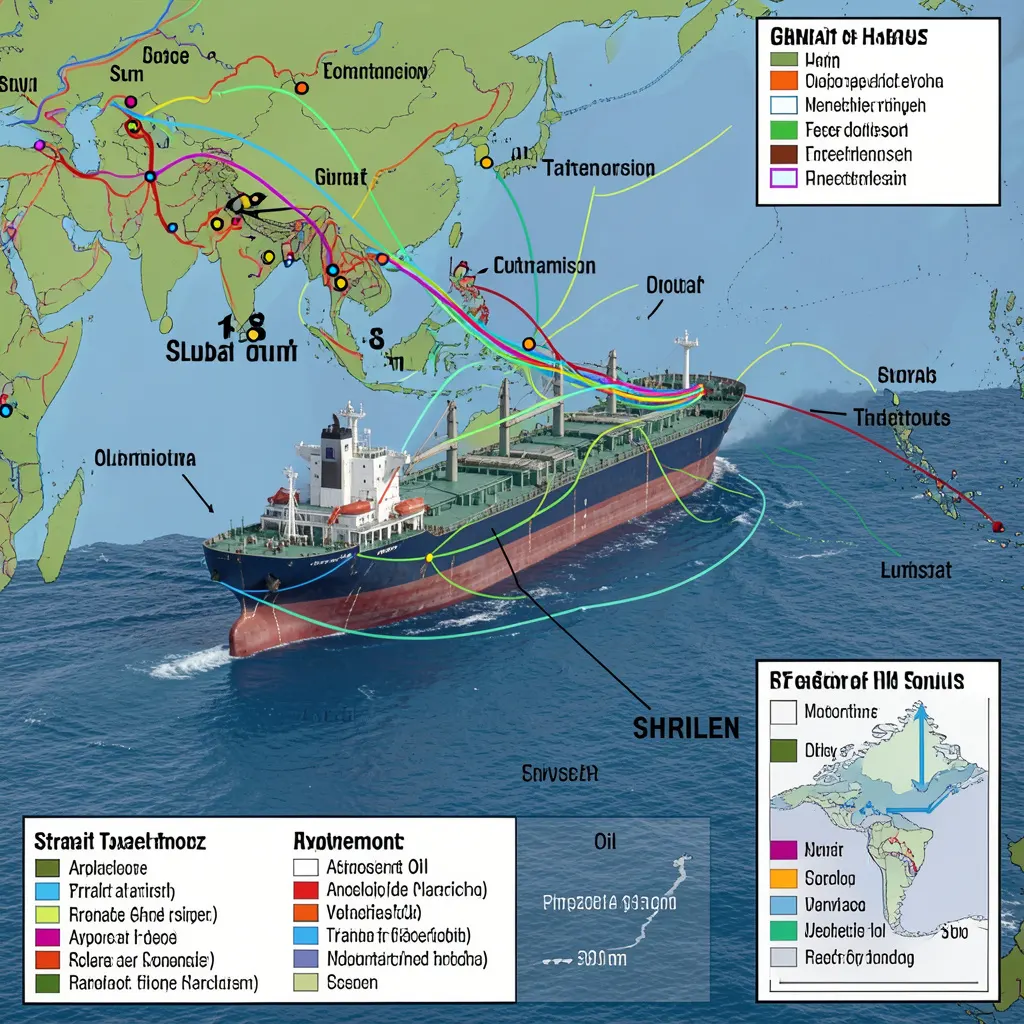
Recent geopolitical developments have accelerated investments in renewable energy, strategic petroleum reserves, and diversified supply chains. Governments are seeking to reduce vulnerability to regional disruptions while strengthening long-term energy security.
Organizations such as the International Monetary Fund emphasize that energy diversification remains a key strategy for enhancing economic resilience.
What Could Happen Next?
Future oil prices will depend on a combination of geopolitical stability, production decisions, global demand, economic growth, and technological developments. While short-term volatility is likely to continue, long-term trends will be shaped by both traditional energy producers and emerging energy technologies.
Investors, businesses, and consumers alike should continue monitoring developments in the Middle East as they remain a major factor influencing global energy markets.
The relationship between Middle East security and oil prices remains one of the most important dynamics in the global economy. As geopolitical realities evolve, understanding these connections can help businesses and individuals make more informed financial and strategic decisions.
#OilPrices #MiddleEast #EnergyMarkets #CrudeOil #GlobalEconomy #EnergySecurity #Geopolitics #OilMarket #CommodityMarkets #EnergyNews