

 By Vinod Ram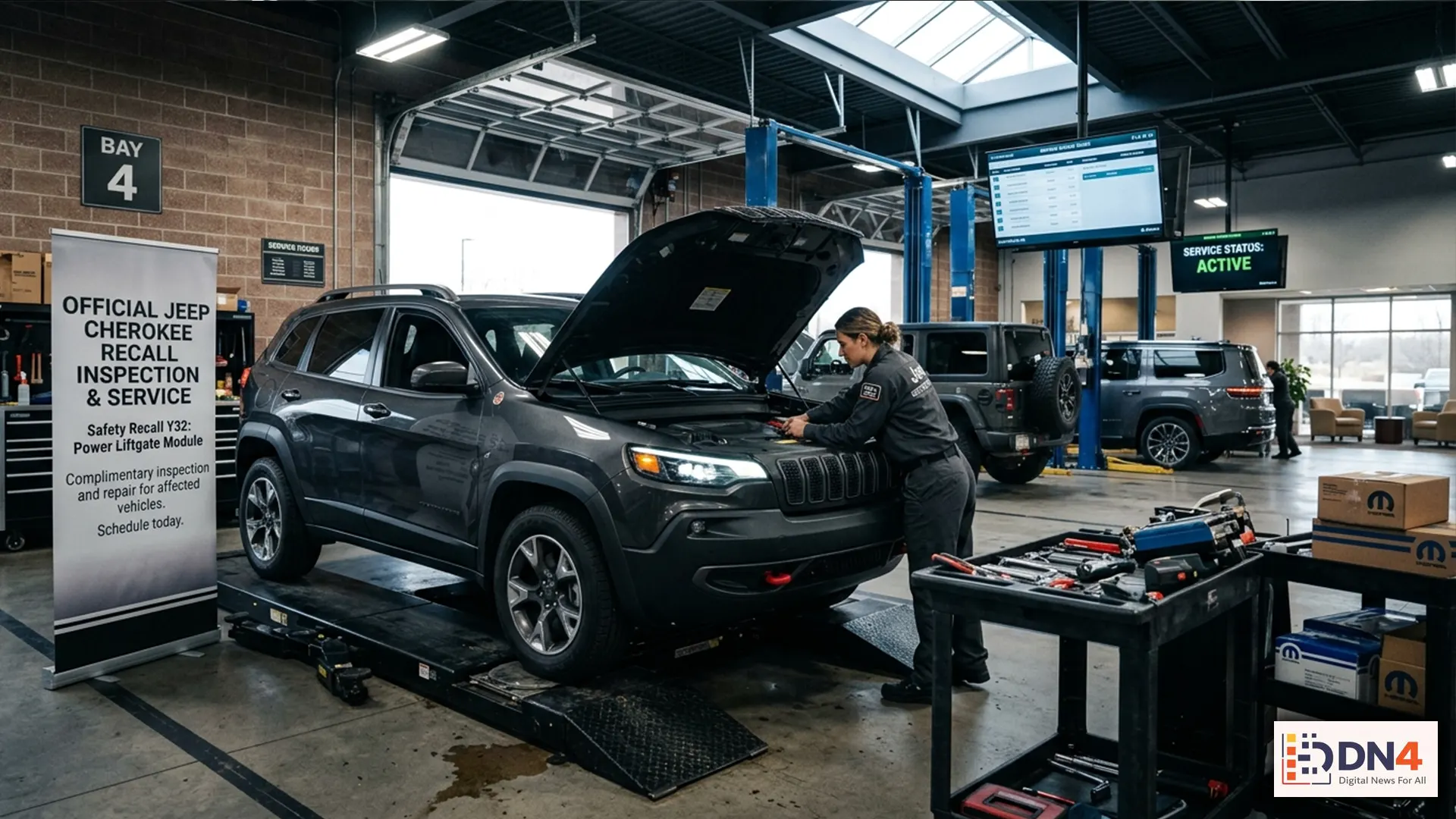
More than 61,000 Jeep Cherokees are reportedly at risk following a major safety recall tied to potential issues involving the vehicle’s Power Transfer Unit (PTU). The May 2026 recall has raised concerns among SUV owners across the United States, particularly drivers relying on all-wheel-drive models for daily transportation and long-distance travel.
Automotive safety regulators and industry analysts say the recall could impact thousands of families, making it critical for owners to verify whether their vehicle is included.
If you own a Jeep Cherokee, here’s what you need to know — and how to check your vehicle immediately.
What Is the PTU and Why Does It Matter?
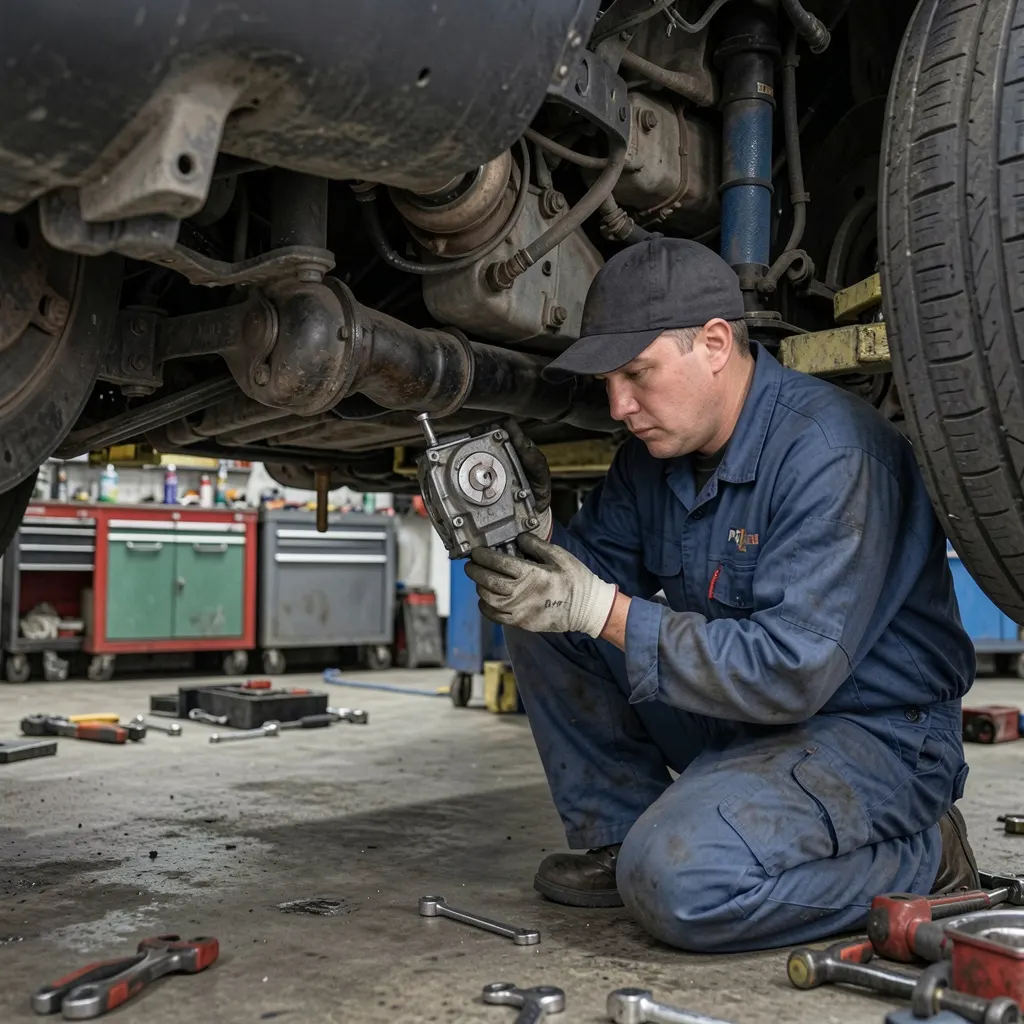
The Power Transfer Unit, commonly known as the PTU, plays a vital role in transferring power from the transmission to the drivetrain in all-wheel-drive vehicles.
When functioning properly, the PTU helps maintain traction, stability, and overall driving performance. However, defects involving the system can potentially increase safety risks, especially during high-speed driving or difficult road conditions.
According to reports from The National Highway Traffic Safety Administration (NHTSA), certain Cherokee models may experience PTU-related failures that could compromise vehicle handling and drivetrain performance.
Which Jeep Cherokee Models Are Affected?
Initial reports suggest the recall primarily impacts specific Jeep Cherokee model years equipped with all-wheel-drive systems.
While manufacturers continue updating official recall documentation, automotive experts recommend that all Cherokee owners proactively verify their VIN numbers regardless of model year.
Coverage from MotorTrend and Car and Driver indicates the recall may involve manufacturing or component durability concerns linked to PTU performance under certain driving conditions.
How to Check if Your Vehicle Is Included
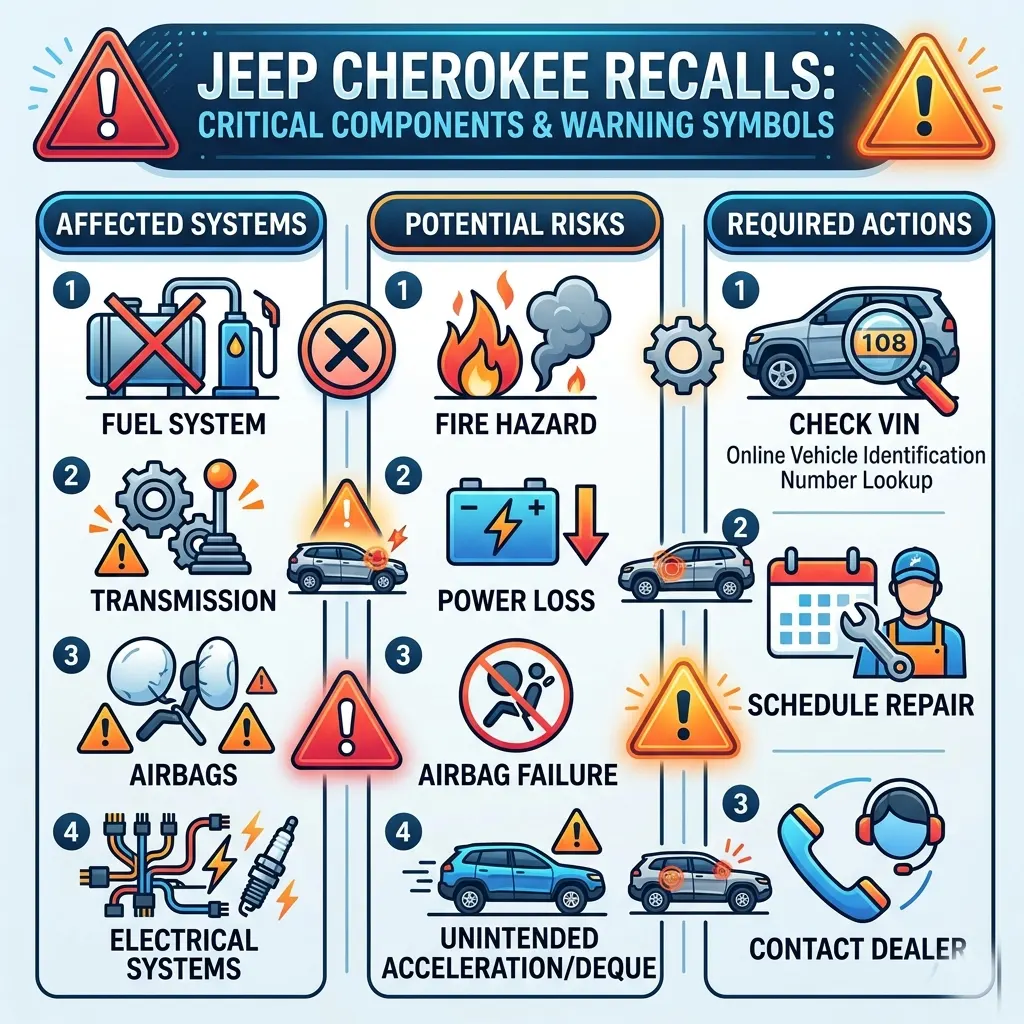
The fastest and most reliable way to determine whether your Jeep Cherokee is part of the recall is by checking your Vehicle Identification Number (VIN).
Owners can follow these steps:
- Locate your VIN on the dashboard near the windshield or inside the driver-side door frame.
- Visit the official NHTSA Recall Lookup Tool.
- Enter your VIN number into the search system.
- Review any active recalls or manufacturer notices associated with your vehicle.
Drivers can also contact authorized Jeep dealerships directly for inspection scheduling and repair information.
What Should Owners Do Next?
If your vehicle appears in the recall database, experts recommend acting quickly even if your SUV is not currently showing warning signs.
Potential symptoms associated with PTU-related problems may include:
- Unusual drivetrain noises
- Vibration during acceleration
- Difficulty maintaining traction
- Dashboard warning indicators
- Reduced all-wheel-drive performance
Automotive analysts at Consumer Reports Cars advise drivers not to ignore drivetrain-related symptoms, especially in recalled vehicles.
Why Vehicle Recalls Are Increasing
The Jeep Cherokee recall also highlights a broader trend happening across the automotive industry.
Modern vehicles contain increasingly complex electronic and drivetrain systems, making recalls more common as manufacturers manage software integration, component durability, and advanced safety technology.
Reports from Automotive News suggest automakers are facing growing pressure from regulators and consumers to identify and address defects more quickly than ever before.
For Jeep Cherokee owners, the May 2026 PTU recall serves as an important reminder about the growing importance of proactive vehicle maintenance and recall awareness.
While recalls can feel alarming, safety experts emphasize that manufacturers and regulators issue recalls specifically to reduce long-term risk and prevent more serious incidents.
Checking your VIN now could help avoid costly repairs — and potentially protect you and your passengers from future safety problems.
#JeepCherokee #RecallAlert #AutoNews #CarSafety #JeepRecall #SUVNews #NHTSA #VehicleRecall #Automotive