

 By Vinod Ram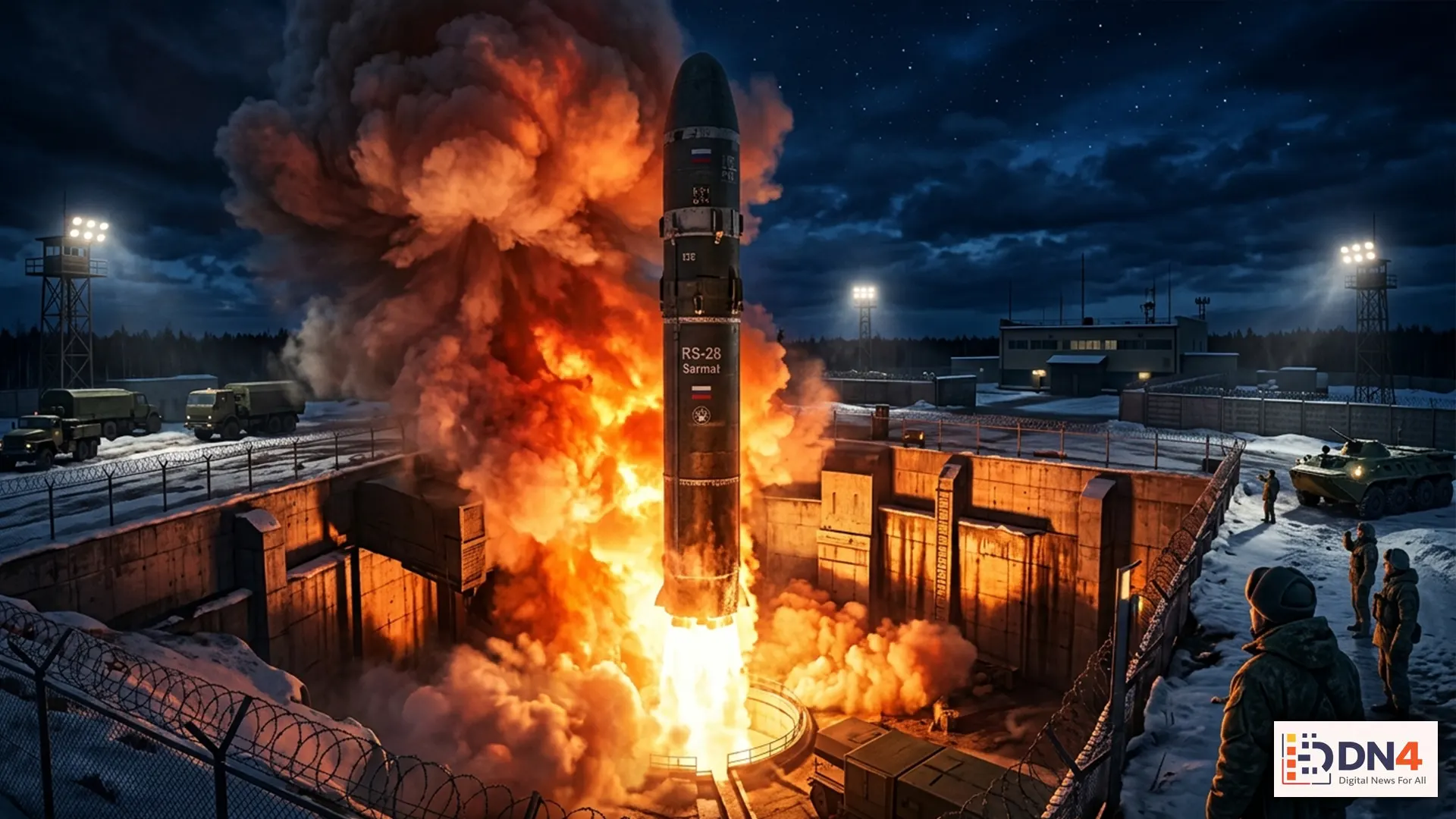
Russia has reportedly confirmed another successful test of its controversial RS-28 Sarmat intercontinental ballistic missile — widely referred to by Western analysts as “Satan 2.”
The announcement is intensifying global attention on the future of strategic nuclear deterrence as Moscow signals plans for full combat deployment of the next-generation missile system by late 2026.
The RS-28 Sarmat represents one of the most powerful and heavily discussed strategic weapons programs in modern military history.
According to defense reporting from Reuters and Defense News, Russian officials claim the latest tests demonstrated the missile’s readiness for operational deployment within the country’s strategic rocket forces.
What is the RS-28 Sarmat?
The RS-28 Sarmat is a heavy intercontinental ballistic missile (ICBM) designed to replace Russia’s aging Soviet-era R-36 missile systems.
Western NATO observers nicknamed the weapon “Satan 2” because of its enormous payload capacity and ability to carry multiple independently targetable nuclear warheads.
Russian defense officials claim the missile can:
- Travel across extremely long intercontinental distances
- Carry multiple nuclear warheads
- Deploy hypersonic glide vehicles
- Evade modern missile defense systems
- Follow unpredictable flight paths
Military analysts at CSIS note that the system is specifically designed to maintain Russia’s nuclear deterrence capabilities against increasingly advanced missile interception technologies.
Why the New Test Matters
The latest reported launch is being viewed as both a technical milestone and a geopolitical message.
As tensions remain elevated between Russia and Western nations, strategic weapons demonstrations continue carrying enormous symbolic importance.
Defense experts say successful testing helps Russia demonstrate:
- Operational readiness
- Strategic deterrence credibility
- Military modernization progress
- Long-range strike capability
- Nuclear force survivability
Analysts from The International Institute for Strategic Studies believe systems like the Sarmat are part of a broader global modernization race involving nuclear arsenals, hypersonic technology, and missile defense systems.
The Growing Hypersonic Arms Race
The RS-28 Sarmat discussion also highlights the accelerating global race toward hypersonic weapon systems.
Russia, China, and the United States are all investing heavily in advanced missiles capable of traveling at extreme speeds while maneuvering unpredictably.
Hypersonic weapons are particularly concerning for military planners because they can significantly reduce reaction times for defense systems.
Critics argue the technology may increase geopolitical instability by creating pressure for faster military decision-making during crises.
Why Western Governments Are Watching Closely
Although Russia portrays the Sarmat as a defensive strategic deterrent, NATO countries continue monitoring the program very carefully.
Western analysts remain divided over how transformative the missile truly is compared to existing nuclear systems. Some argue the weapon is primarily an evolution of established ICBM technology rather than a revolutionary breakthrough.
Others warn the combination of heavy payloads, hypersonic delivery systems, and potential anti-defense capabilities could complicate future strategic stability.
Military experts from organizations including RAND Corporation continue studying how emerging missile technologies may reshape nuclear deterrence doctrines worldwide.
The Bigger Strategic Picture
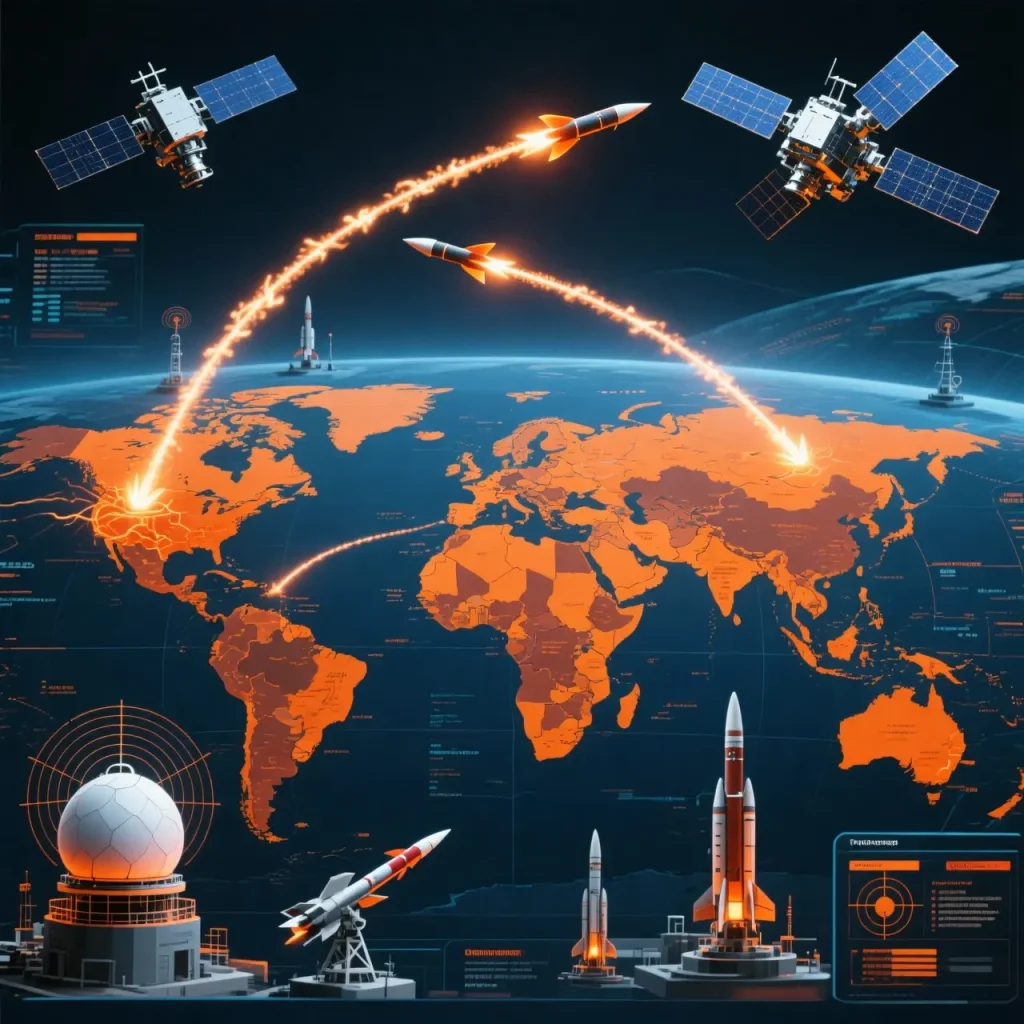
The Sarmat deployment reflects a broader global shift in military modernization.
Major powers are increasingly investing in:
- Hypersonic weapons
- AI-assisted military systems
- Space-based surveillance
- Cyber warfare capabilities
- Next-generation missile defense
As geopolitical competition intensifies, advanced strategic weapons programs are becoming central to national security planning across multiple regions.
For Russia, the RS-28 Sarmat represents both military capability and political symbolism — a signal that Moscow intends to remain a dominant nuclear power deep into the 21st century.
What Happens Next?
If deployment timelines remain on schedule, Russia could begin operational integration of the RS-28 Sarmat within strategic rocket units before the end of 2026.
However, defense analysts caution that official military timelines can shift due to technical reviews, production challenges, or geopolitical developments.
Regardless of the exact schedule, the “Satan 2” era is already reshaping global conversations around deterrence, missile defense, and the future of strategic warfare.
#RS28Sarmat #Satan2 #Russia #MissileTest #HypersonicWeapons #GlobalSecurity #MilitaryNews #DefenseNews #NuclearDeterrence