

 By Vinod Ram
A groundbreaking development in cancer research is generating global excitement after new six-year trial data suggested that experimental mRNA pancreatic cancer vaccines may dramatically improve long-term survival outcomes for some patients.
The findings are being described by researchers and medical analysts as one of the most promising breakthroughs ever seen in pancreatic cancer treatment — a disease historically associated with extremely low survival rates.
According to reports published by Nature and discussions emerging from major oncology conferences, certain patients participating in personalized mRNA vaccine trials showed unexpectedly strong immune responses and significantly extended survival periods.
For a cancer type often considered among the deadliest in medicine, the data is fueling unprecedented optimism.
Why Pancreatic Cancer Has Been So Difficult to Treat
Pancreatic cancer remains one of the most aggressive and lethal forms of cancer worldwide.
One of the biggest challenges is that the disease is often detected late, after it has already spread beyond the pancreas.
Traditional treatments — including surgery, chemotherapy, and radiation — have historically provided limited long-term survival improvements for many patients.
Organizations such as The American Cancer Society continue emphasizing the urgent need for earlier detection methods and more effective therapies.
How mRNA Cancer Vaccines Work
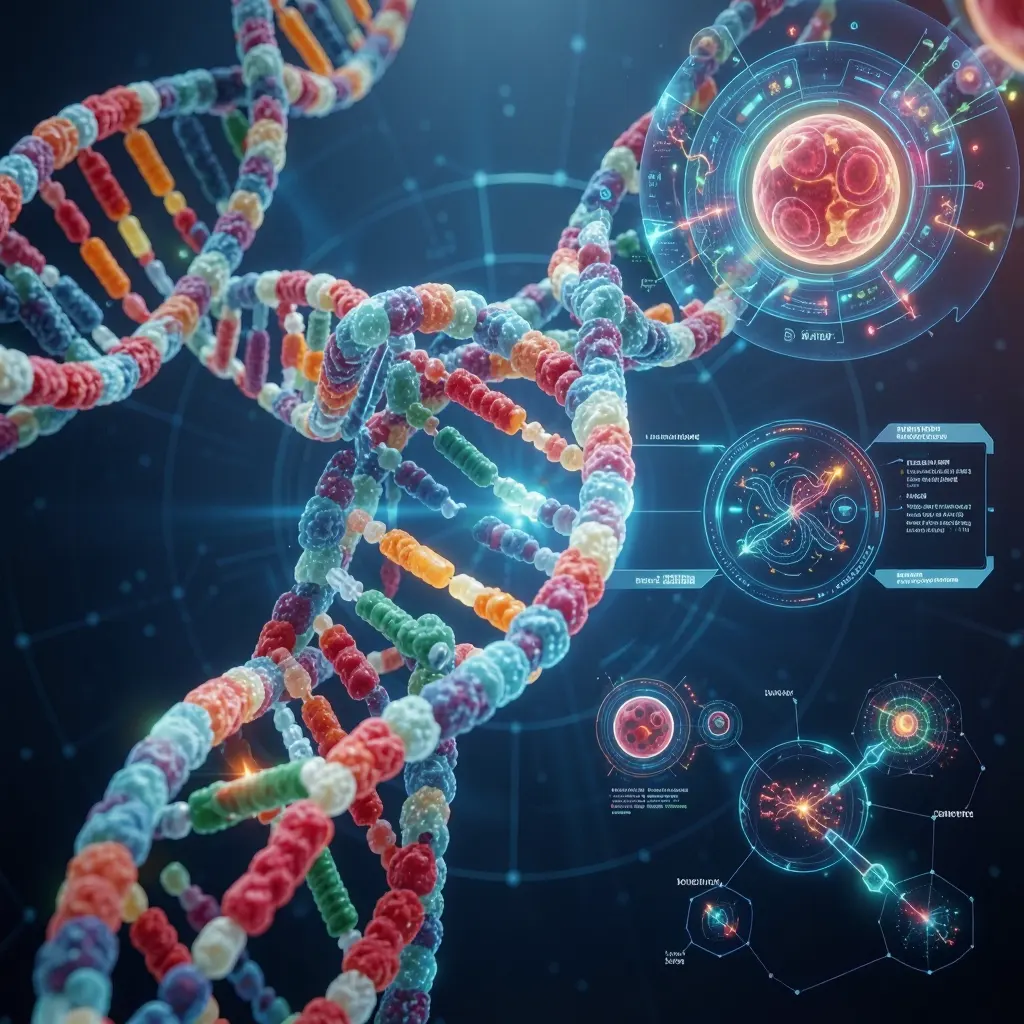
Unlike preventive vaccines used against infectious diseases, personalized mRNA cancer vaccines are designed to train the patient’s immune system to recognize and attack specific cancer cells.
The technology works by delivering customized genetic instructions that help immune cells identify unique tumor mutations.
In simple terms, the vaccine teaches the body to recognize cancer as a target.
This approach became globally famous during the COVID-19 pandemic after mRNA vaccine platforms demonstrated extraordinary development speed and effectiveness.
Now, researchers are applying similar technology to oncology.
What the New 6-Year Data Suggests
Early trial results reportedly showed that some patients who generated strong vaccine-induced immune responses experienced significantly lower recurrence rates and improved long-term survival outcomes.
While headlines referencing “90% survival” require careful scientific interpretation, experts agree the results appear highly encouraging compared to historical pancreatic cancer statistics.
Researchers involved in the trials reportedly observed:
- Long-lasting immune activation
- Reduced tumor recurrence in some patients
- Improved survival timelines
- Potential synergy with immunotherapy treatments
- Personalized treatment adaptability
Medical reporting from Memorial Sloan Kettering Cancer Center and other oncology institutions suggests the findings could reshape future cancer treatment strategies if larger studies confirm the results.
Why Scientists Are Excited — But Still Cautious
Despite the excitement, researchers continue warning that the vaccine remains experimental.
Clinical trials are still ongoing, and larger patient populations will be needed to confirm long-term effectiveness across broader demographics.
Cancer experts also emphasize that not every patient responds equally to immunotherapy-based treatments.
Still, many oncologists believe personalized mRNA medicine could become one of the most transformative medical technologies of the next decade.
The Bigger Future of mRNA Medicine
The pancreatic cancer breakthrough may represent only the beginning.
Biotechnology companies and research institutions are now investigating mRNA-based treatments for:
- Melanoma
- Lung cancer
- Brain tumors
- Colon cancer
- Autoimmune diseases
- Rare genetic disorders
Companies such as Moderna and BioNTech are investing billions into personalized medicine platforms powered by mRNA technology.
Some scientists believe the approach could eventually lead to highly individualized cancer treatments tailored specifically to each patient’s tumor genetics.
Why This Moment Feels Different
Pancreatic cancer has long been associated with grim statistics and limited treatment options.
That’s why the emotional reaction to these latest trial results has been so powerful among patients, researchers, and advocacy groups.
For many families affected by pancreatic cancer, the possibility of dramatically improved long-term survival represents something medicine has struggled to offer for decades: genuine hope.
While major scientific hurdles still remain, the new data may mark a turning point in humanity’s broader fight against one of the world’s deadliest cancers.
#CancerResearch #PancreaticCancer #mRNA #CancerVaccine #MedicalBreakthrough #Immunotherapy #HealthcareNews #Biotech #Oncology