

 By Vinod Ram
In 2026, consumer behavior looks contradictory — even paradoxical.
Luxury brands are reporting strong growth, while discount retailers are experiencing record traffic. This economic split has a name: the bifurcated consumer trend.
High-end fashion houses and premium experiences are thriving — yet everyday shoppers are aggressively trading down on essentials.
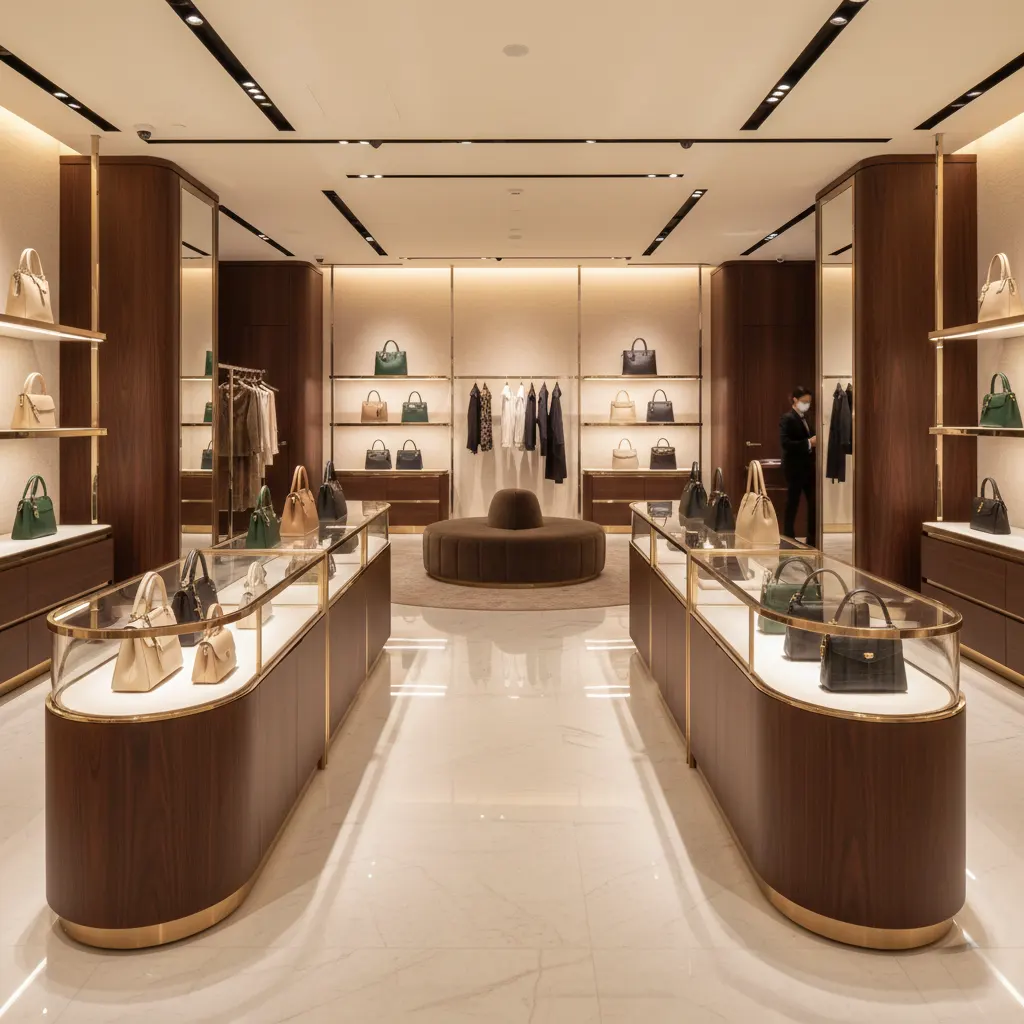
Luxury Is Still Booming
Global luxury groups covered by Business of Fashion continue to highlight resilient demand in premium markets.
Reports from consulting firms like McKinsey & Company note that affluent consumers remain relatively insulated from inflation pressures.
Categories experiencing growth include:
- Luxury travel experiences
- Premium fashion & accessories
- High-end beauty and skincare
- Private wellness services
Even stock performance of select luxury conglomerates, tracked on platforms such as Bloomberg, reflects sustained investor confidence.
Meanwhile: The Rise of Trade-Down Shopping
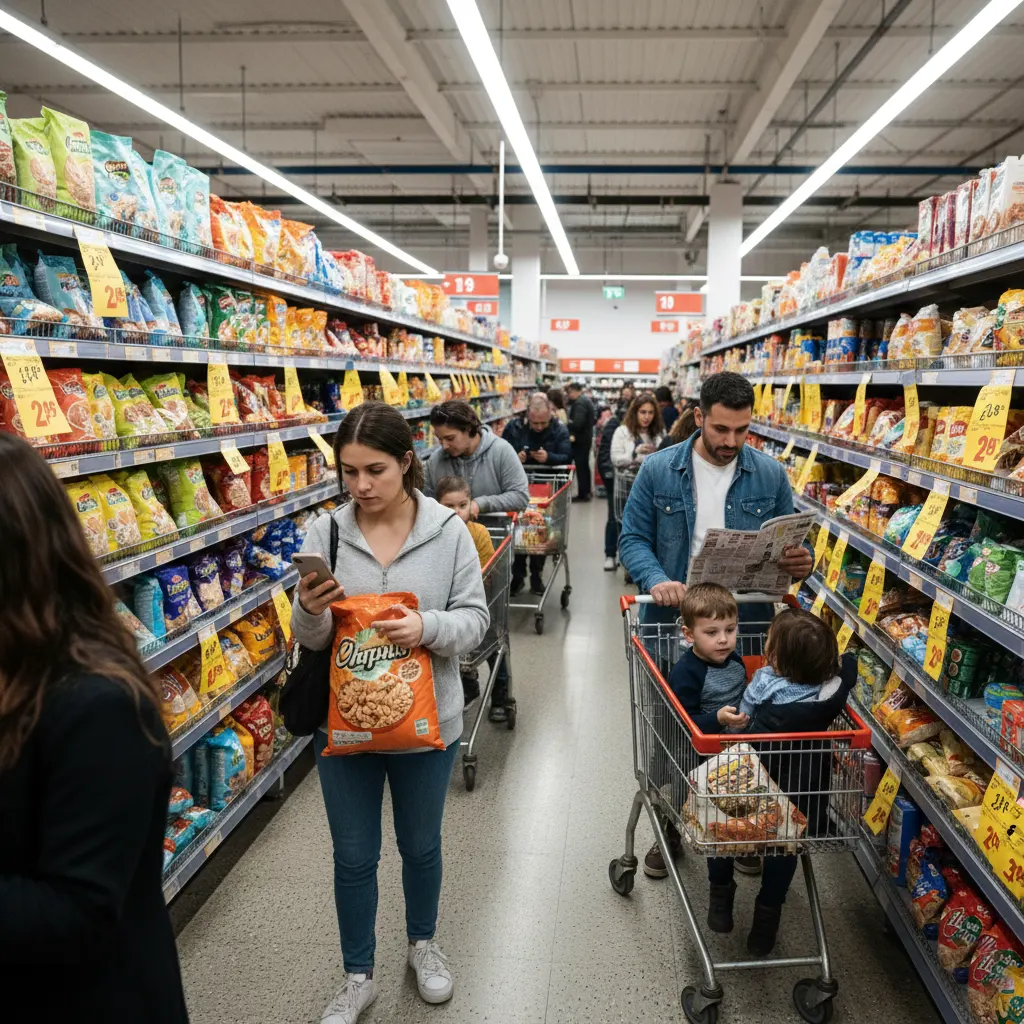
At the same time, discount retailers and private-label brands are expanding rapidly.
Data from Statista shows rising price sensitivity in middle-income households. Consumers are cutting back on non-essentials while seeking value alternatives for groceries, apparel, and household goods.
Major discount chains analyzed by outlets like Forbes Retail report increased store traffic and private-label sales.
Why Both Trends Can Coexist
The bifurcated consumer isn’t necessarily two different people. Often, it’s the same shopper making strategic trade-offs:
- Buying premium skincare — but generic pantry staples.
- Splurging on travel — but switching to discount apparel.
- Investing in experiences — while canceling subscriptions.
Economists referenced by World Economic Forum discussions point to income polarization and psychological spending patterns as key drivers.
The Psychology Behind the Split
After years of economic uncertainty, many consumers embrace what analysts call “selective indulgence.”
Behavioral research highlighted by institutions such as the American Psychological Association suggests that small luxury purchases can provide emotional reward during financial stress.
Meanwhile, practical spending categories are optimized for savings.
Implications for Brands
Brands must adapt to this split mindset:
- Premium brands must justify elevated pricing through exclusivity and experience.
- Mass-market brands must emphasize value, transparency, and affordability.
- Mid-tier brands risk being squeezed in the middle.
Retail analysts featured in CNBC Retail News describe 2026 as an era of “high-low” consumption patterns.
The Bigger Economic Signal
The bifurcated consumer trend reflects broader structural shifts in income distribution, inflation management, and evolving lifestyle priorities.
Luxury is not disappearing. Budget shopping isn’t either. They’re rising together — reshaping retail strategy worldwide.
#BifurcatedConsumer #LuxuryBoom #TradeDownShopping #RetailTrends #ConsumerBehavior #EconomicTrends