

 By Vinod Ram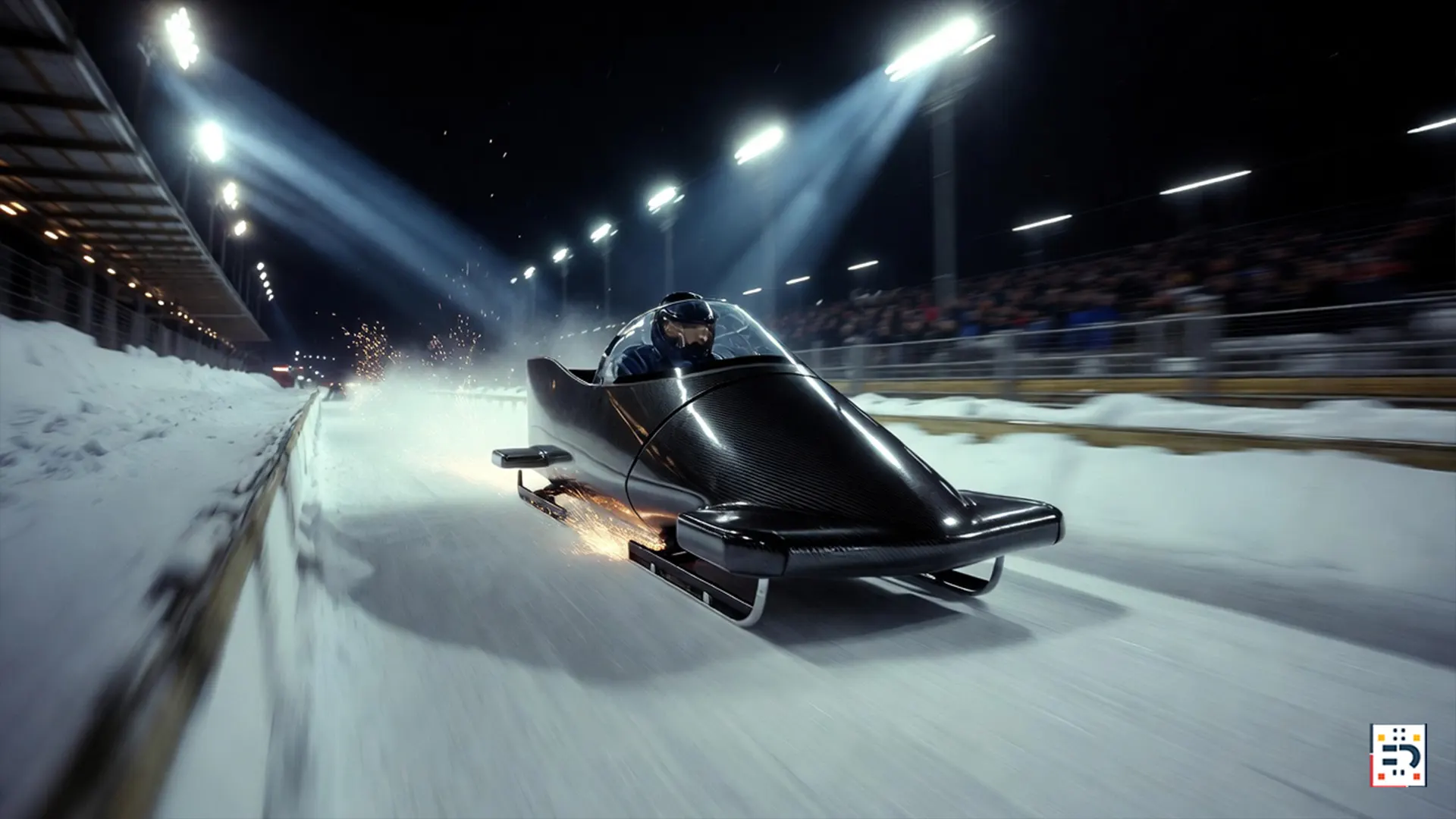
Bobsleigh has always been one of the most thrilling — and dangerous — events in the Winter Games. But in 2026, the sport is experiencing what many are calling its “Formula 1 moment.”
Inspired by innovations seen in Formula 1, modern bobsleigh technology is transforming sled design, athlete safety, and race-day performance.
The Aerodynamics Revolution
In elite motorsport, milliseconds matter. The same principle now applies to bobsleigh.
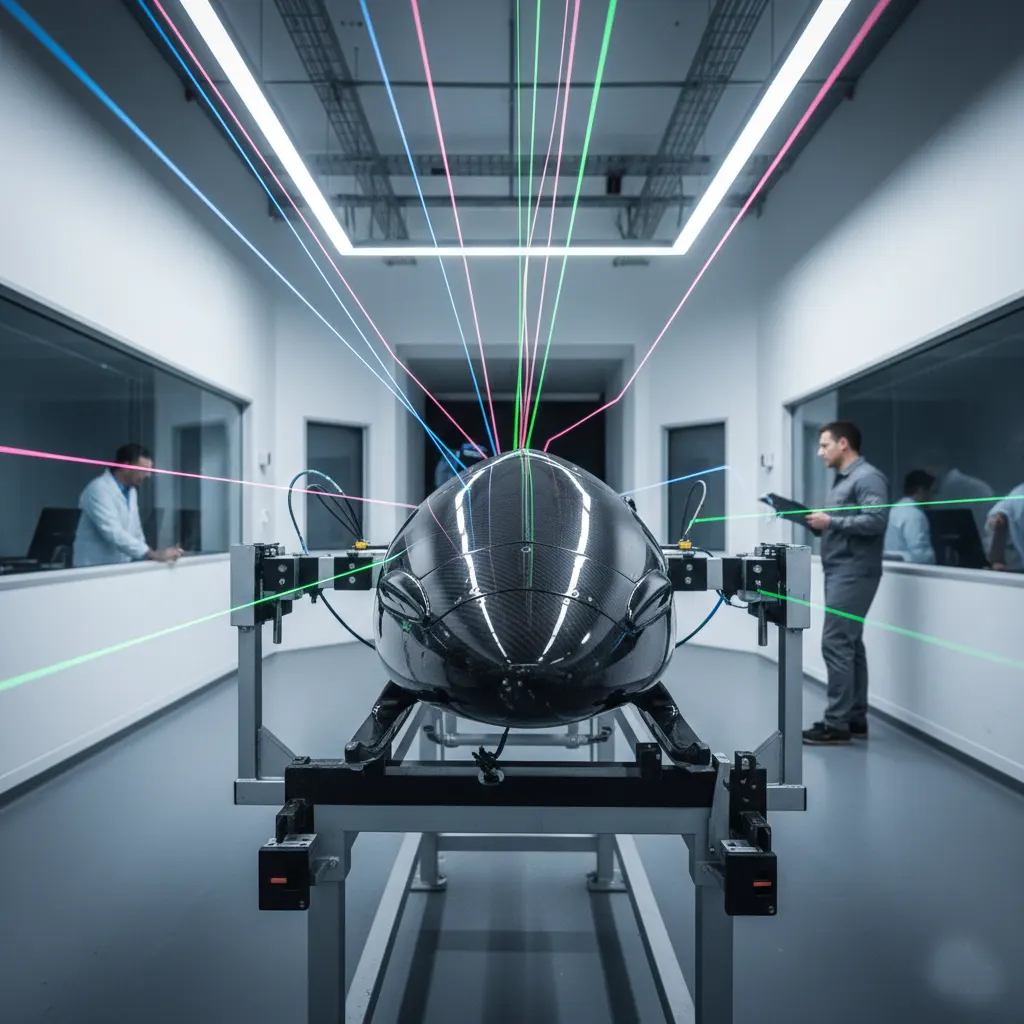
Engineers are applying aerodynamic research methods similar to those used by Mercedes-AMG Petronas F1 Team and other racing teams. Wind tunnel testing — once exclusive to auto racing — is now central to sled optimization.
Research facilities and labs working alongside organizations like the International Bobsleigh & Skeleton Federation (IBSF) focus on:
- Airflow efficiency
- Reduced drag coefficients
- Optimized sled curvature
- Advanced runner blade materials
Carbon Fiber & Lightweight Materials
Modern sleds increasingly use carbon fiber composites — materials also common in FIA-regulated racing cars.
These materials provide:
- High strength-to-weight ratios
- Improved crash resilience
- Better structural integrity at extreme speeds
Speeds can exceed 90 mph (145 km/h), making material innovation a safety imperative.
Safety First: Learning from Motorsport
Formula 1 introduced major safety upgrades over the past two decades, including the halo cockpit protection system. Winter sports federations are now studying similar risk mitigation strategies.
Helmet manufacturers — some of whom also supply motorsport — are developing impact-resistant designs tested to standards referenced by the International Olympic Committee.
Data analytics, biomechanical monitoring, and improved track design have further reduced severe injury rates.
Data & Performance Analytics
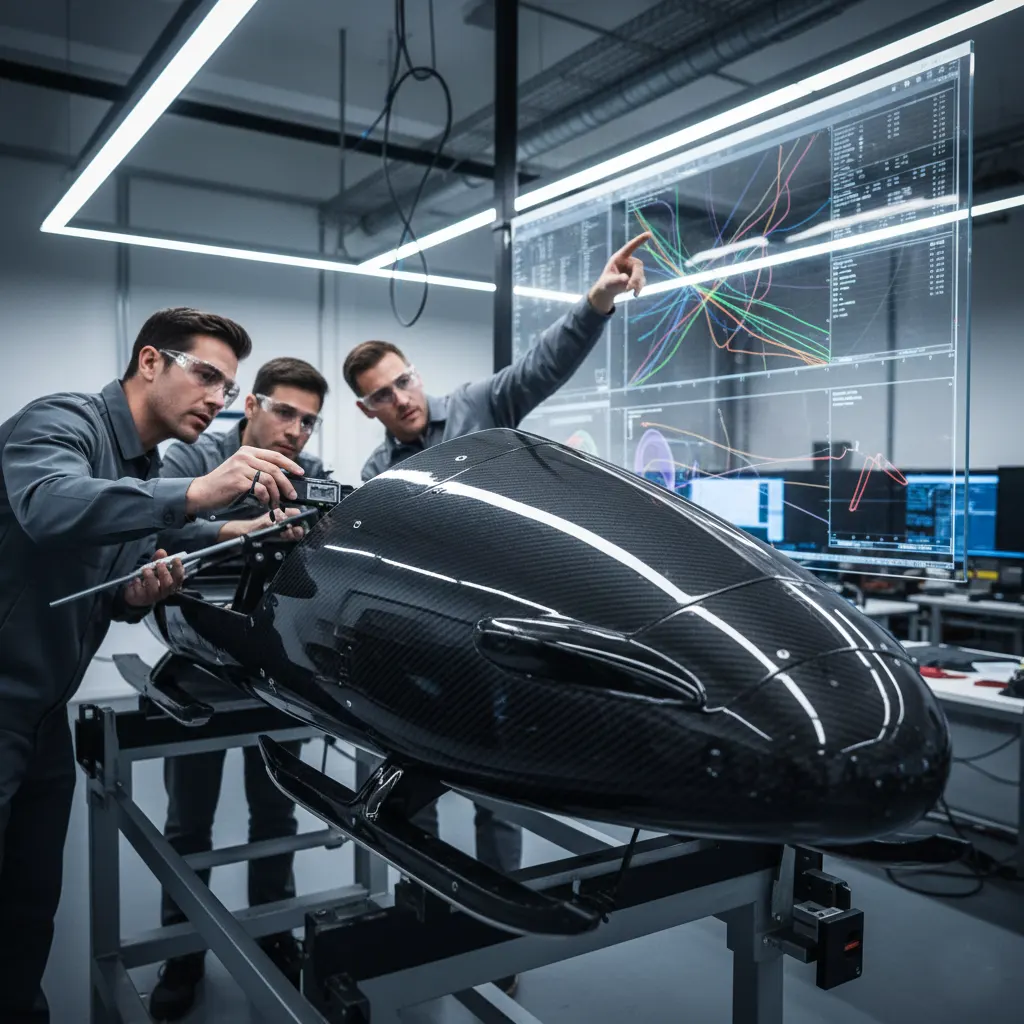
Just as Formula 1 teams rely on telemetry, bobsleigh teams now use sensor systems to analyze:
- Start push power
- Steering input precision
- Ice friction variables
- Split-time acceleration
Sports science institutes and Olympic training centers increasingly collaborate with performance analysts featured in research published by outlets like ScienceDaily.
Faster… But Also Fair?
With cutting-edge engineering entering the sport, some critics question whether wealthier nations gain disproportionate advantage.
Governance bodies, including the Olympic movement, maintain equipment regulations to prevent technological imbalance.
The Commercial Impact
The integration of high-tech innovation is also attracting new sponsors from engineering, automotive, and advanced materials sectors. Winter sports are becoming more appealing to brands traditionally aligned with motorsport.
Coverage by business outlets such as Forbes SportsMoney highlights growing investment in winter sports technology.
Bobsleigh’s Formula 1 Moment
What was once seen purely as brute-force athleticism is now a fusion of engineering precision and human performance.
The result? Faster sleds. Smarter safety systems. And a winter sport entering a new era of innovation.
#Bobsleigh #WinterSports #SportsInnovation #Formula1Tech #OlympicTechnology #SportsEngineering