

 By Vinod Ram
Super Bowl LX didn’t just crown a champion — it made television history.
With an astonishing 124.9 million viewers, this year’s game became one of the most-watched broadcasts ever, according to early data released by the NFL and major broadcast partners.
But what fueled this record-breaking audience surge?
The Numbers Behind 124.9 Million
Television ratings data, typically tracked by measurement firms like Nielsen, showed massive engagement across both traditional cable and digital platforms.
Streaming platforms played a larger role than ever before, contributing millions of concurrent viewers. According to industry coverage from SportsPro Media, digital streams continue to reshape how major sporting events are consumed.

Streaming’s Growing Impact
For the first time, streaming accounted for a significant portion of total Super Bowl viewership. Platforms offering live coverage — including apps connected to major networks and smart TV ecosystems — saw record sign-ups.
Tech ecosystems such as Apple TV and device integrations across smart TVs helped expand reach beyond traditional cable subscribers.
This shift mirrors broader trends highlighted by analysts at Statista, who note consistent growth in digital sports consumption year-over-year.
The Halftime Effect
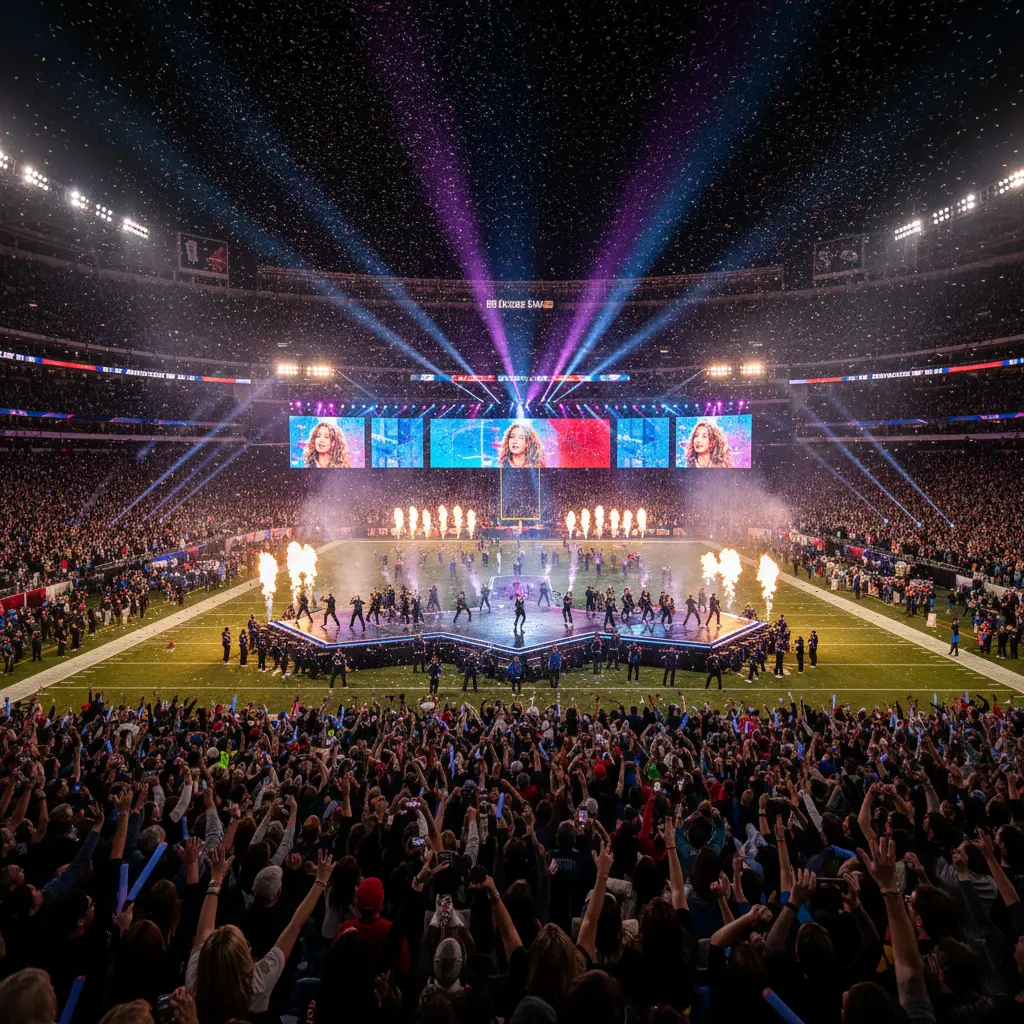
The halftime show once again proved to be a viewership magnet. Music-driven audiences, including viewers who might not typically watch football, tuned in for the performance.
Entertainment coverage from outlets like Billboard emphasized the crossover appeal of headline performers — driving social media engagement and post-show streaming spikes.
Advertising Gold Rush
Super Bowl ad slots remain among the most expensive in television. According to business reporting by Forbes, 30-second spots continue to command multi-million-dollar price tags.
The 124.9 million viewership milestone further strengthens the NFL’s negotiating power for future broadcast rights and sponsorship deals.
Social Media Amplification
Beyond live broadcasts, the game dominated online discussion platforms including X (formerly Twitter). Real-time highlights, meme culture, and instant replay clips extended engagement far beyond the final whistle.
This second-screen behavior has become a defining characteristic of modern sports consumption.
Why Super Bowl LX Broke Records
- Increased streaming accessibility
- Star-powered halftime performance
- High-stakes championship narrative
- Expanding global audience reach
- Integrated social media amplification
In an era of fragmented media attention, pulling 124.9 million viewers into a single shared moment is a remarkable achievement.
The Super Bowl remains one of the few cultural events capable of uniting massive audiences across demographics. As media continues to evolve, this year’s record suggests that live sports still hold unparalleled collective power.
#SuperBowlLX #NFL #SportsMedia #TVRatings #StreamingGrowth #HalftimeShow #SportsBusiness