

 By Vinod Ram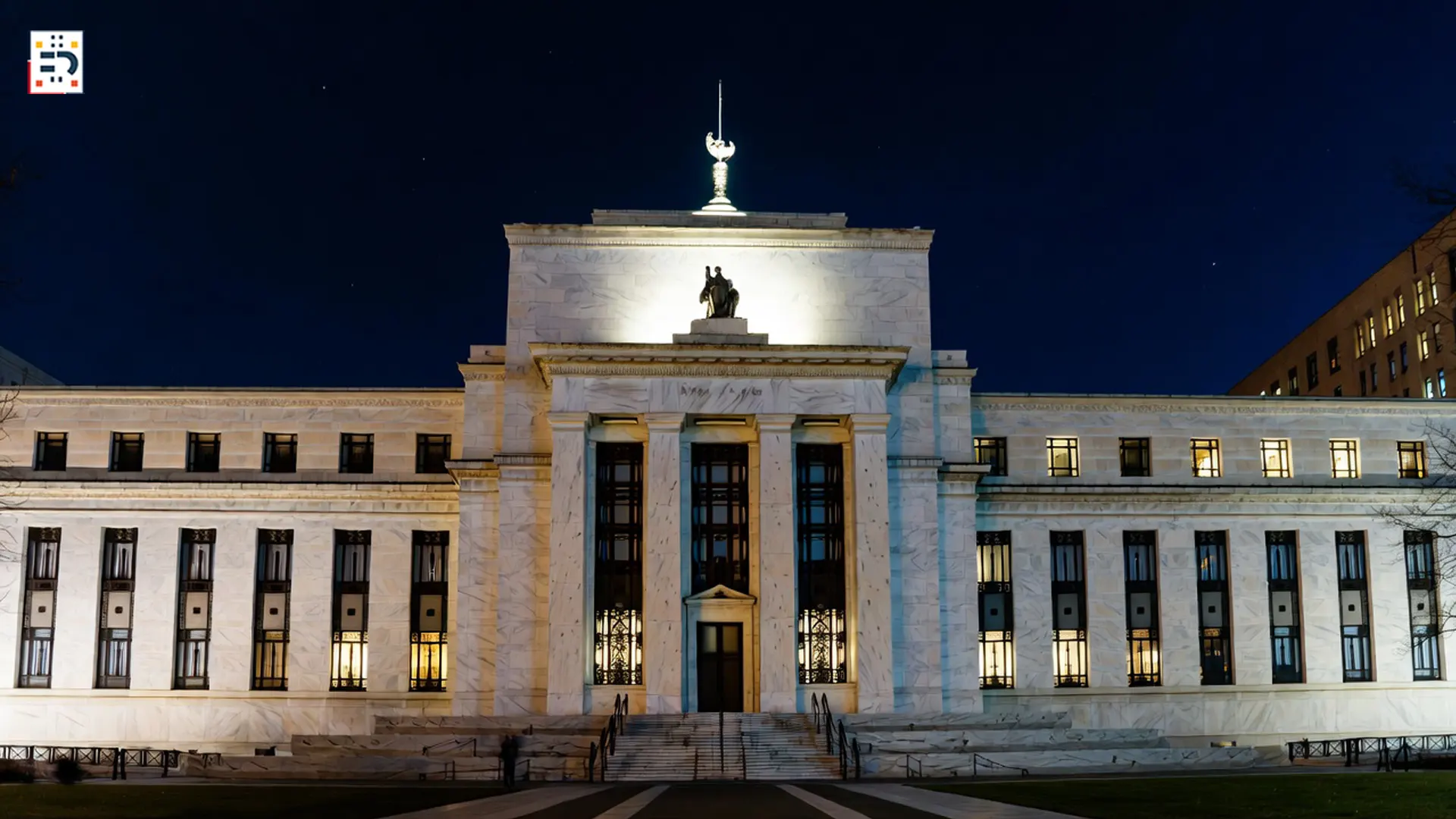
With Jerome Powell’s term as Chair of the Federal Reserve approaching its next transition window, speculation is intensifying over who could lead the world’s most powerful central bank.
Why does it matter? Because the next Fed Chair will directly influence interest rates, mortgage costs, credit card APRs, and even stock market volatility.
Here are three names frequently mentioned in policy circles — and what their leadership could mean for your wallet.
1. Lael Brainard: The Policy Continuity Candidate
Former Fed Vice Chair Lael Brainard is widely viewed as a continuity candidate.
Known for a cautious but data-driven approach, Brainard has historically supported careful rate adjustments to balance employment and inflation — consistent with the Fed’s dual mandate as outlined by Congress.
Impact on your wallet:
- Gradual rate changes
- Moderate mortgage rate volatility
- Focus on labor market stability
Markets often favor predictability, which could mean smoother bond yields and steadier borrowing costs.

2. Christopher Waller: The Hawkish Inflation Fighter
Fed Governor Christopher Waller has built a reputation as a strong inflation hawk.
Economic commentary from outlets like CNBC Economy frequently highlights Waller’s emphasis on controlling inflation decisively — even if it means higher rates for longer.
Impact on your wallet:
- Higher borrowing costs in the short term
- Potentially stronger dollar
- Reduced long-term inflation risk
If inflation resurges in 2026, markets may favor a tougher stance.
3. Raphael Bostic: The Balanced Pragmatist
Raphael Bostic, President of the Atlanta Fed, is often described as pragmatic and adaptive.
According to policy discussions covered by Bloomberg Economics, Bostic has shown flexibility in responding to changing economic conditions.
Impact on your wallet:
- Data-dependent rate moves
- Potentially faster pivots if growth slows
- Balanced inflation and employment focus
Why the Fed Chair Matters More Than You Think
The Fed Chair influences decisions made by the Federal Open Market Committee (FOMC), which sets the federal funds rate.
Changes in that benchmark rate ripple across:
- Mortgage rates
- Auto loans
- Credit card interest
- Business investment costs
- Stock valuations
Even small differences in leadership style can shift financial conditions for millions of Americans.
Markets Are Already Watching
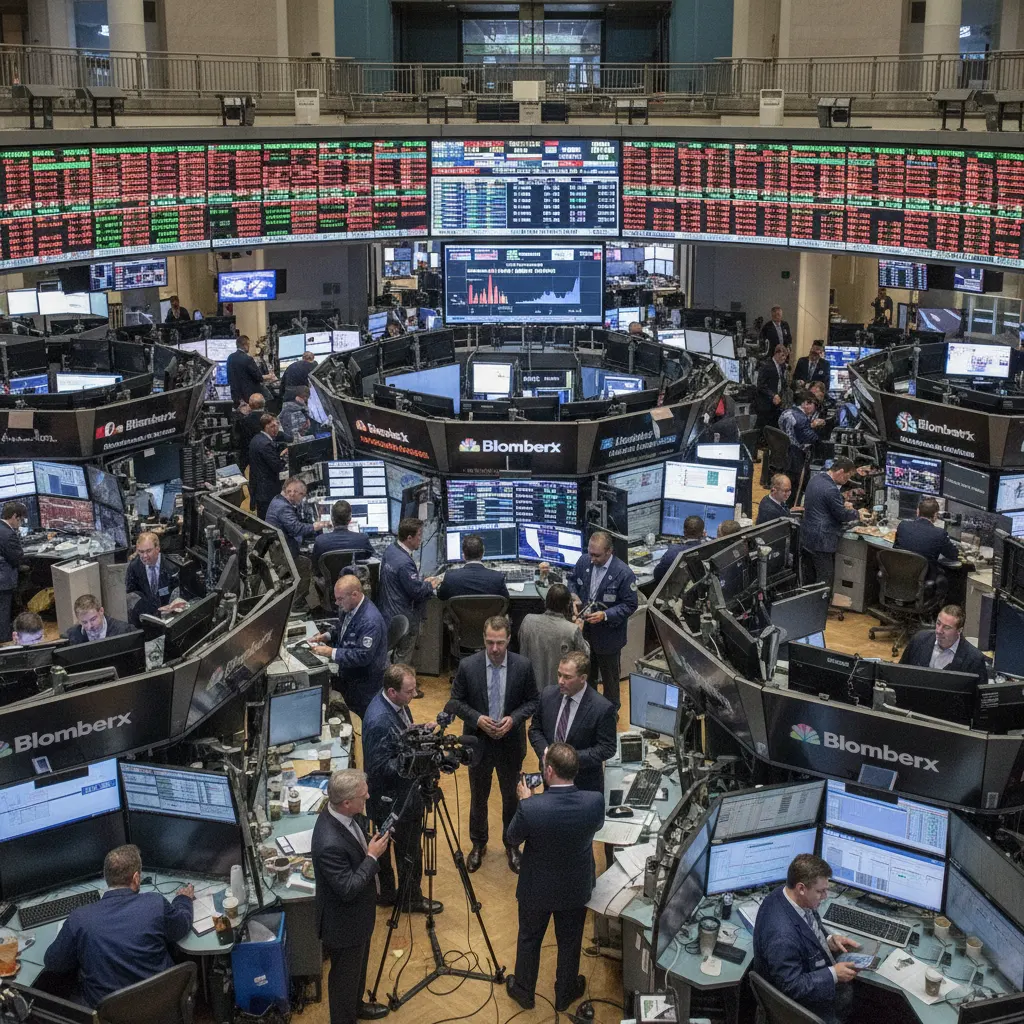
Wall Street closely monitors signals about future leadership. Treasury yields, tracked daily via U.S. Treasury data, often respond to shifts in rate expectations.
If investors anticipate a more hawkish Fed Chair, bond yields may rise — pushing mortgage rates up.
If markets expect a dovish successor, rates could ease.
Your Wallet Is on the Ballot
The race for Fed Chair isn’t just political theater. It’s a financial inflection point.
The next leader will shape inflation strategy, recession risk management, and rate-cut timing in 2026 and beyond.
For homeowners, investors, and savers alike, leadership at the central bank could mean the difference between higher borrowing costs — or a more accommodative rate environment.
#FederalReserve #FedChair #JeromePowell #InterestRates #MortgageRates #EconomicNews #RateWatch