

 By Vinod Ram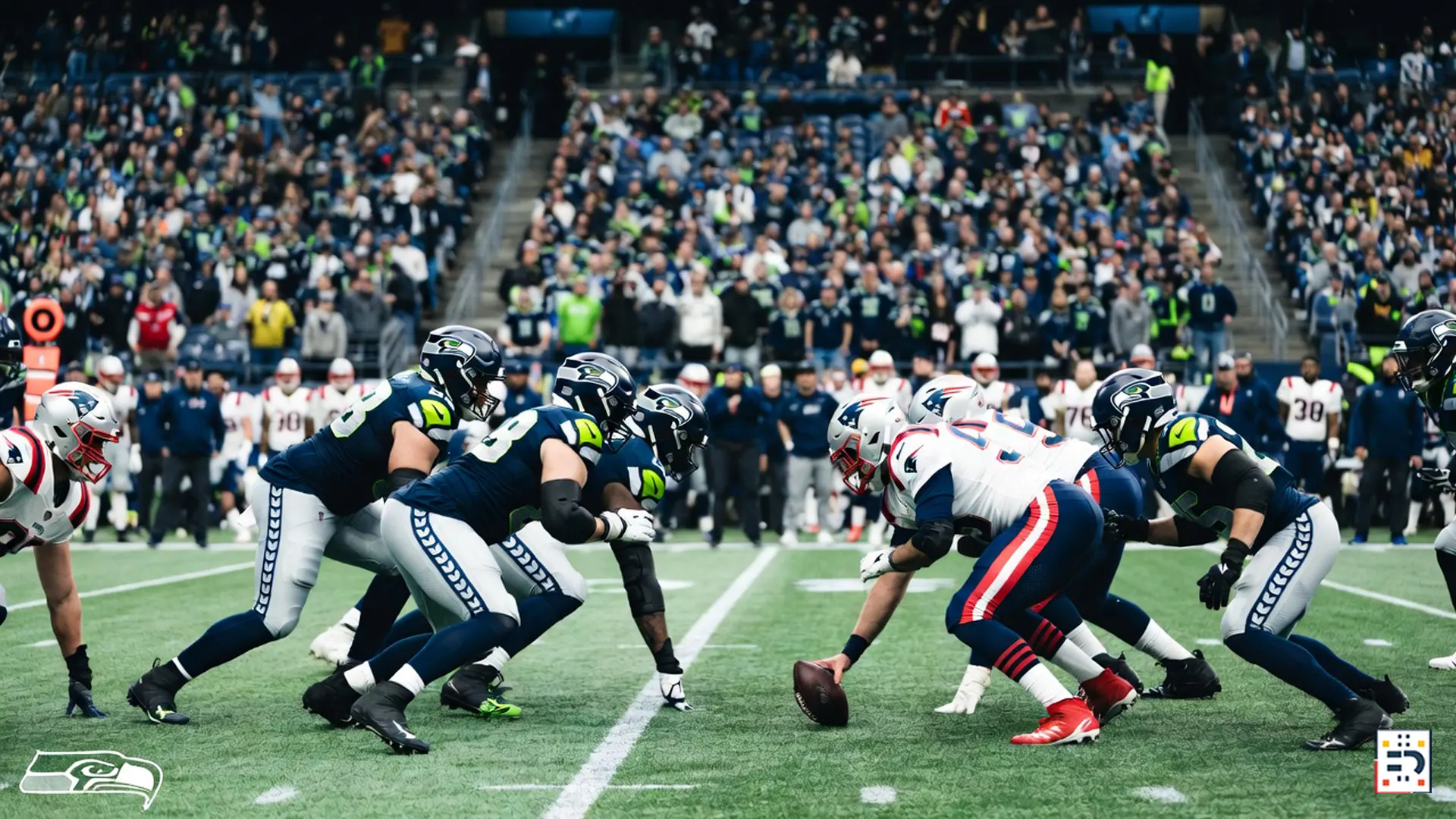
Super Bowl LX will be remembered for Seattle’s defensive masterclass. In a chess match against the New England Patriots, the Seahawks executed a near-flawless game plan that neutralized explosive plays, forced turnovers, and controlled tempo.
According to official stats published by the NFL, Seattle held the Patriots to one of their lowest total yardage outputs of the season — a testament to preparation, discipline, and elite execution.
First Quarter: Setting the Tone with Pressure
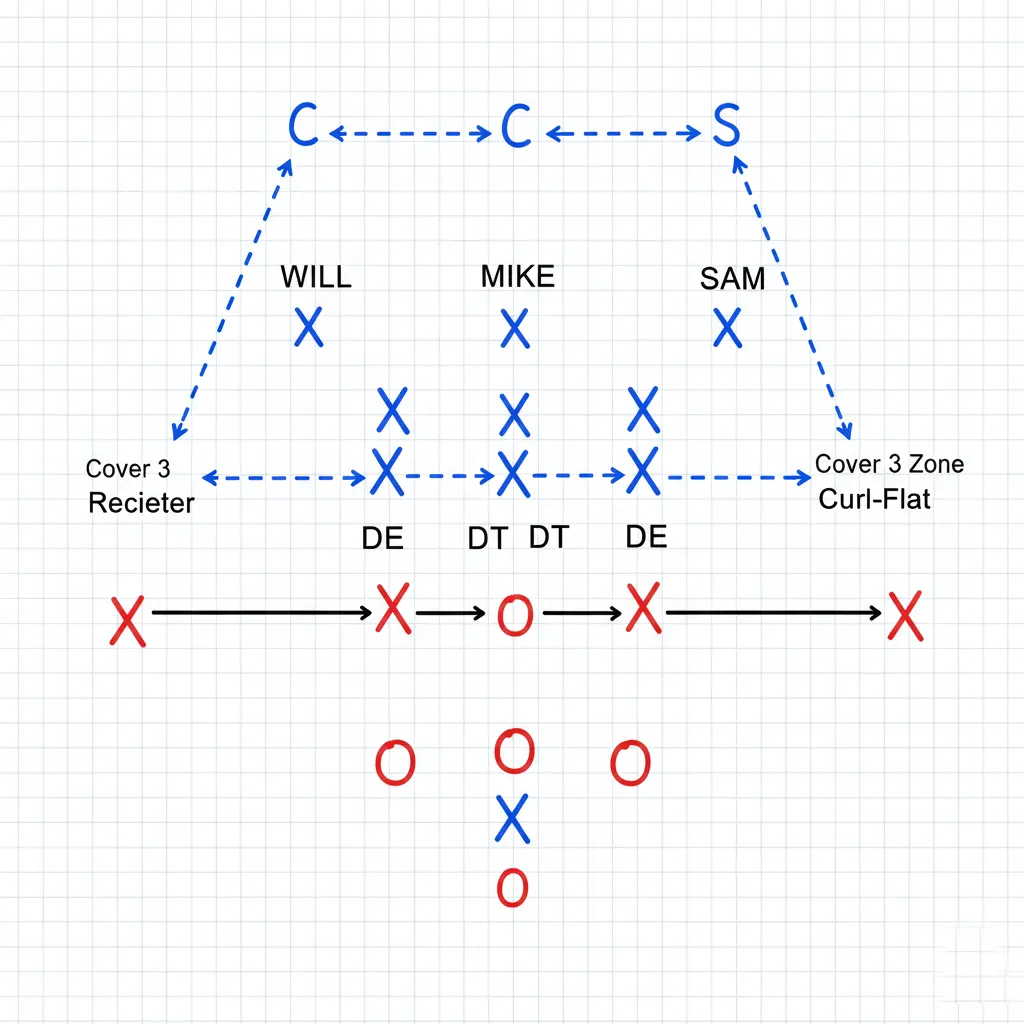
Seattle’s defensive coordinator dialed up early pressure packages, mixing disguised blitzes with simulated pressure looks. By shifting between Cover 3 and two-high safety shells, the Seahawks kept the Patriots’ quarterback guessing.
Film analysis reveals consistent edge containment and disciplined gap control — fundamentals that defensive coaches at all levels preach. For deeper insights into defensive schemes, resources like Pro Football Focus often break down advanced metrics such as pressure rate and coverage grades.
- Multiple third-down stops
- Two early quarterback hits
- Forced quick-release throws
Second Quarter: Coverage Discipline
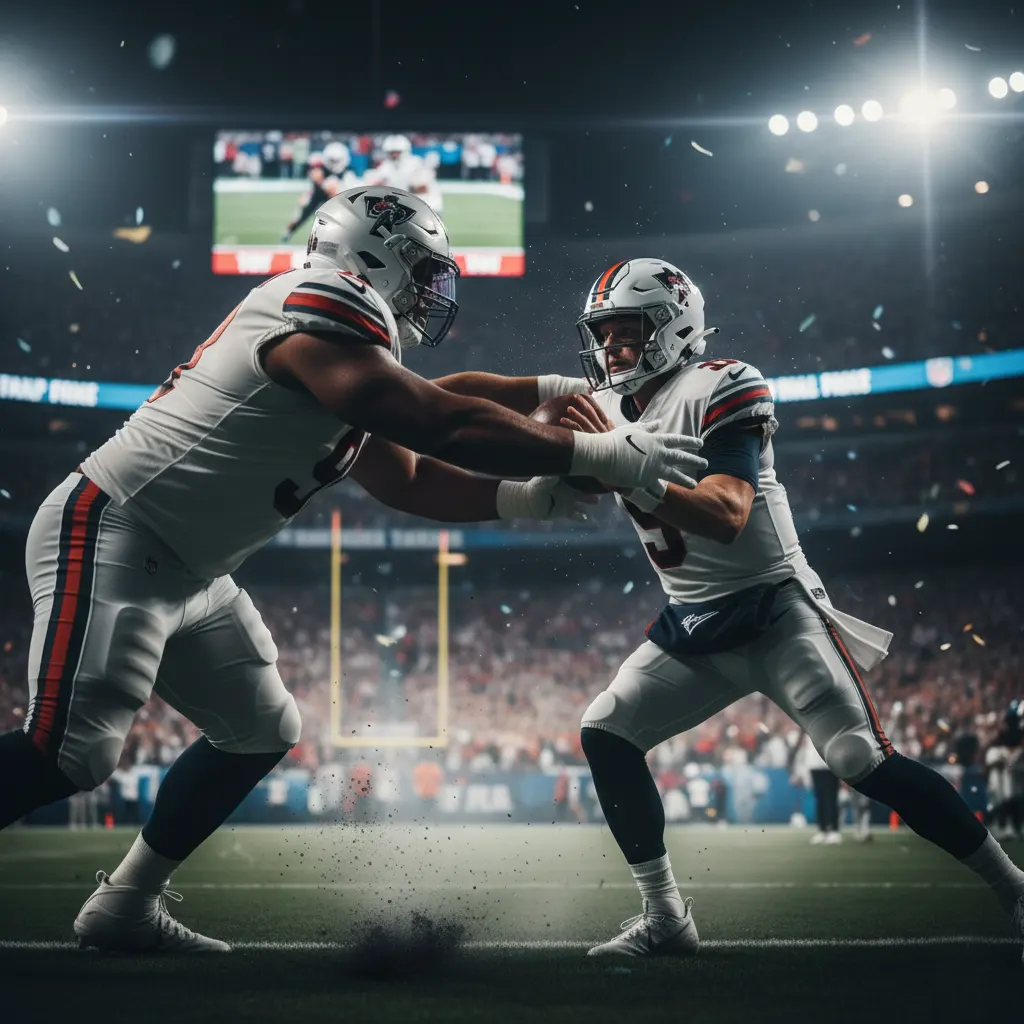
Seattle leaned heavily on its trademark zone coverage concepts. The Patriots attempted to attack soft spots underneath, but linebackers closed passing windows quickly.
Zone integrity was key — Seattle’s defensive backs maintained leverage and forced checkdowns instead of allowing deep routes to develop.
According to analysts at ESPN NFL, the Patriots averaged significantly fewer air yards per attempt compared to their season average.
Halftime Adjustments: Winning the Coaching Battle
Super Bowl games are often decided in halftime adjustments. Seattle anticipated New England’s shift toward tempo offense and countered with tighter interior alignments.
Head coaching strategy discussions often reference Patriots official game reports, which highlighted Seattle’s ability to disguise post-snap rotations.
The Seahawks mixed:
- Nickel packages against spread formations
- Delayed blitzes on obvious passing downs
- Bracket coverage on primary receivers
The Turning Point: Third Quarter Takeaway
The defining moment came midway through the third quarter: a perfectly read interception in the red zone. Seattle’s safety baited the throw by showing single-high before rotating into a disguised coverage.
Turnover margin has long been a predictor of Super Bowl outcomes, as historical breakdowns from Pro Football Reference demonstrate.
Fourth Quarter: Closing with Discipline
With a late lead, Seattle avoided prevent defense mistakes. Instead of retreating into passive coverage, they maintained pressure with controlled rush lanes.
Analysts from CBS Sports NFL noted Seattle’s time-of-possession advantage created by defensive stops.
The result? A championship defined by defensive precision.
Key Defensive Metrics
- Pressure Rate: Above season average
- Third Down Conversion Allowed: Significantly reduced
- Turnovers Forced: 2+
- Explosive Plays Allowed: Minimal
#Seahawks #Patriots #SuperBowlLX #NFLRecap #FilmStudy #SeattleDefense #NFLAnalysis #FootballBreakdown