

 By Vinod Ram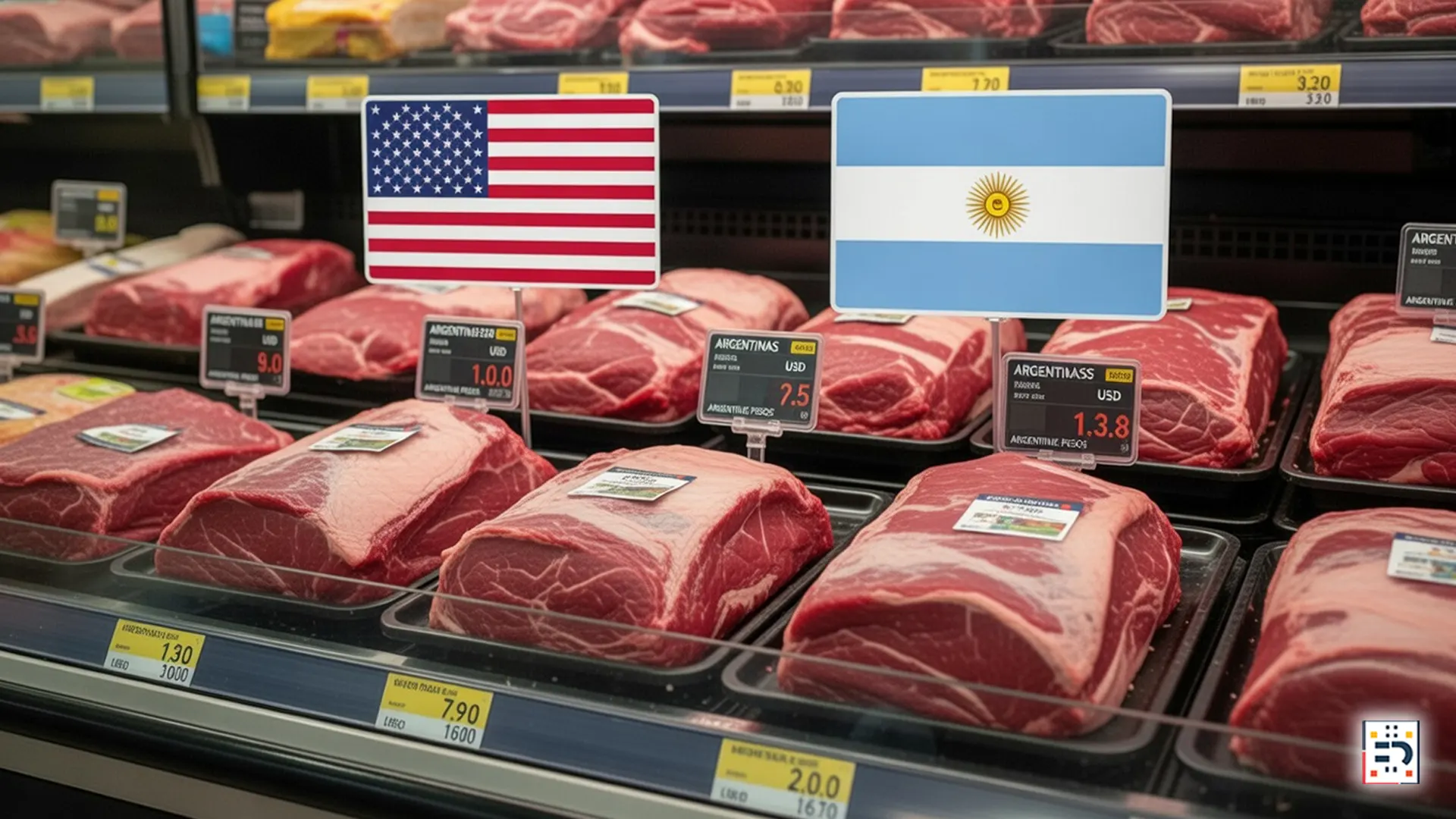
President Donald Trump has signed a new executive order expanding U.S. beef imports from Argentina. The move has triggered debate over grocery prices, inflation, and the future of American ranching.
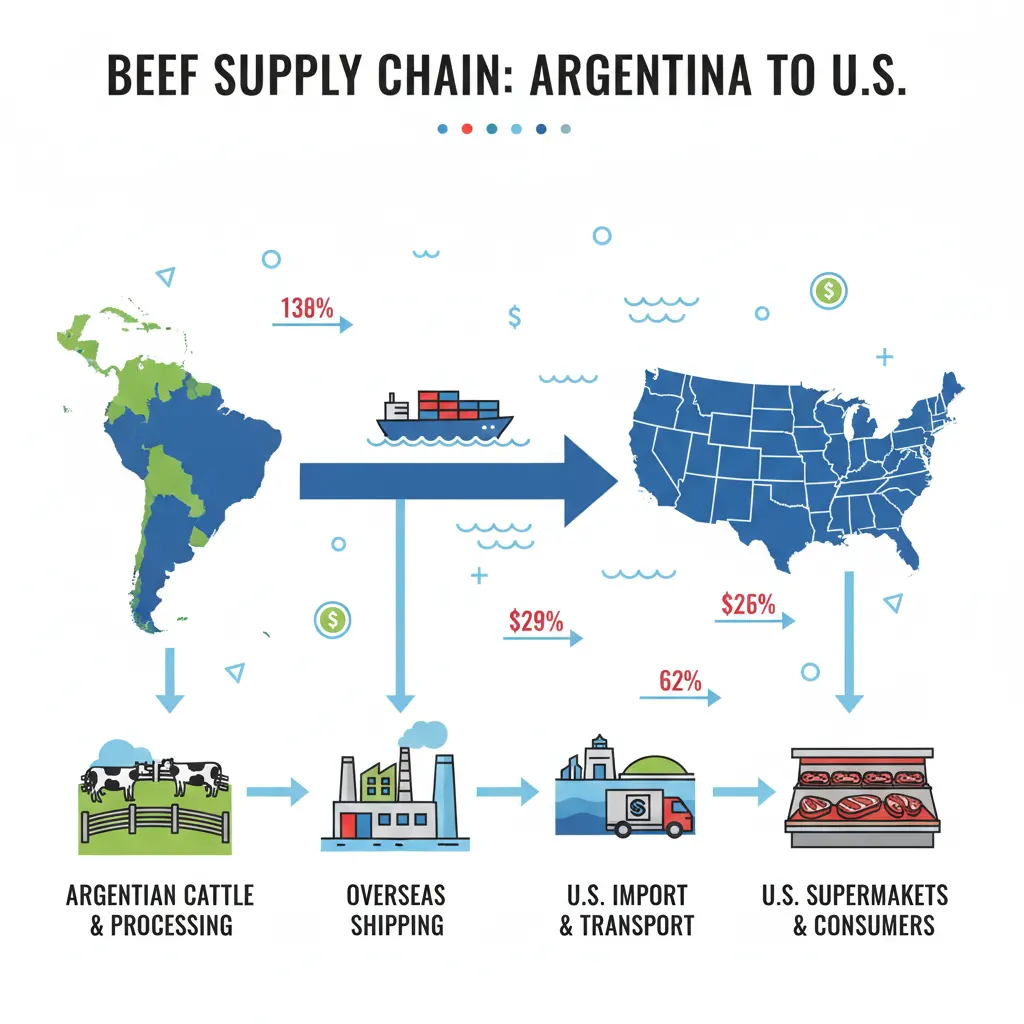
The order raises the tariff‑rate quota on Argentine beef trimmings from 20,000 to 80,000 metric tons for 2026. The White House says the added supply will help slow rising meat prices.
What the Import Order Does
The proclamation allows more lean beef trimmings from Argentina to enter the U.S. at lower tariff rates. Imports will arrive in quarterly batches throughout the year.
Food producers often use these trimmings in ground beef products. Officials believe this could ease supply pressure in grocery stores.
Why Critics Call It the “Beef Tax”
Opponents argue the policy could hurt U.S. ranchers while offering little relief to consumers. They say it functions like a hidden tax on domestic producers.
Analysts note that even with expanded imports, Argentine beef will make up a small share of total U.S. consumption. That limits its impact on store prices.
Ranchers Push Back
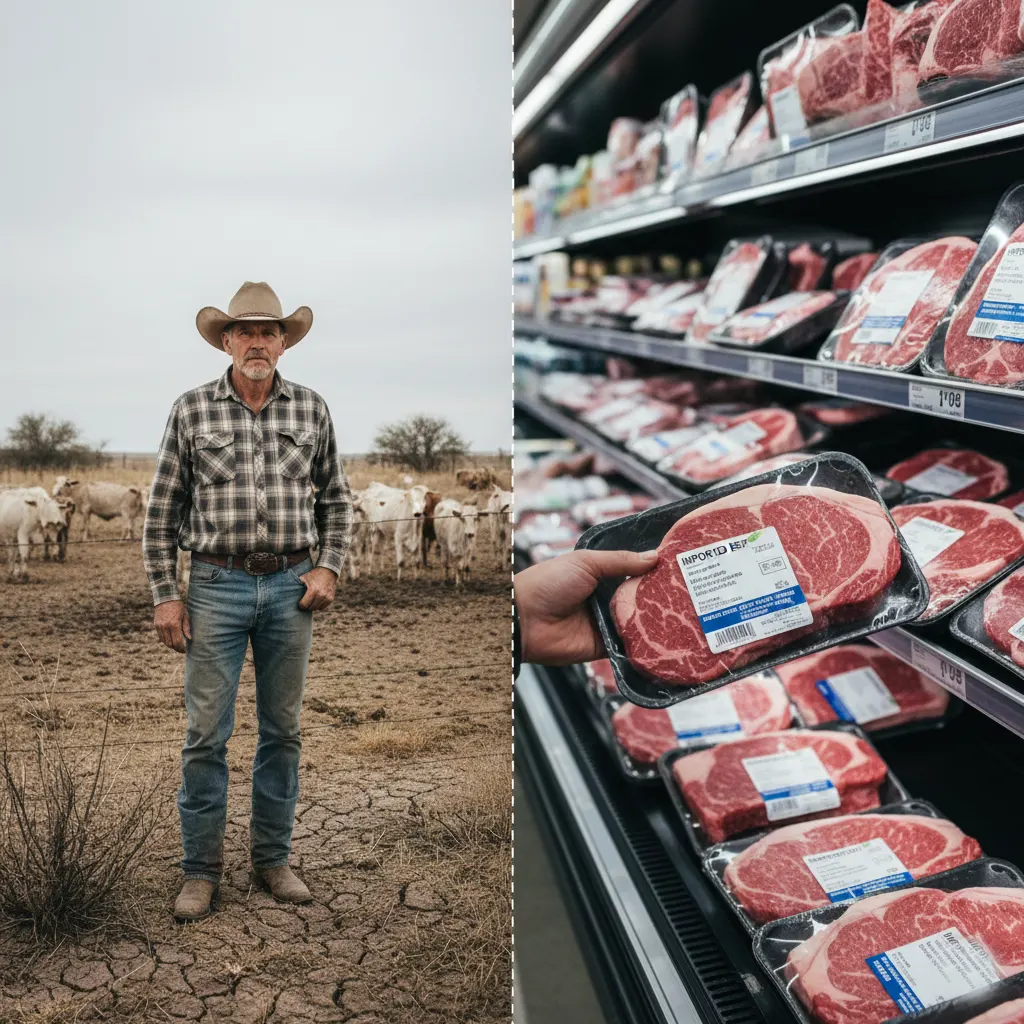
Cattle groups reacted quickly. The National Cattlemen’s Beef Association warned that higher imports could weaken domestic markets.
Ranchers say they already face high feed costs, drought conditions, and shrinking herds. They argue the policy makes long‑term recovery harder.
Will Grocery Prices Actually Fall?
Beef prices remain one of the largest drivers of food inflation. Ground beef reached record highs in late 2025.
Most economists expect limited short‑term relief. They say real price drops depend on rebuilding U.S. cattle herds.
The Politics Behind the Decision
The order highlights tension within U.S. trade policy. The administration must balance inflation concerns with support for domestic agriculture.
Some lawmakers view the move as temporary. Others see it as a shift toward more open food markets.
What Consumers Should Expect
- Most imported beef will go into ground and processed products.
- Steak prices may not change.
- Any price relief is likely to be gradual.
- Domestic supply levels still matter most.
For now, shoppers should not expect immediate savings. The broader impact will take time to measure.
#BeefTax #ArgentineBeef #GroceryPrices #TrumpPolicy #Inflation #FoodEconomics #Agriculture