

 By Vinod Ram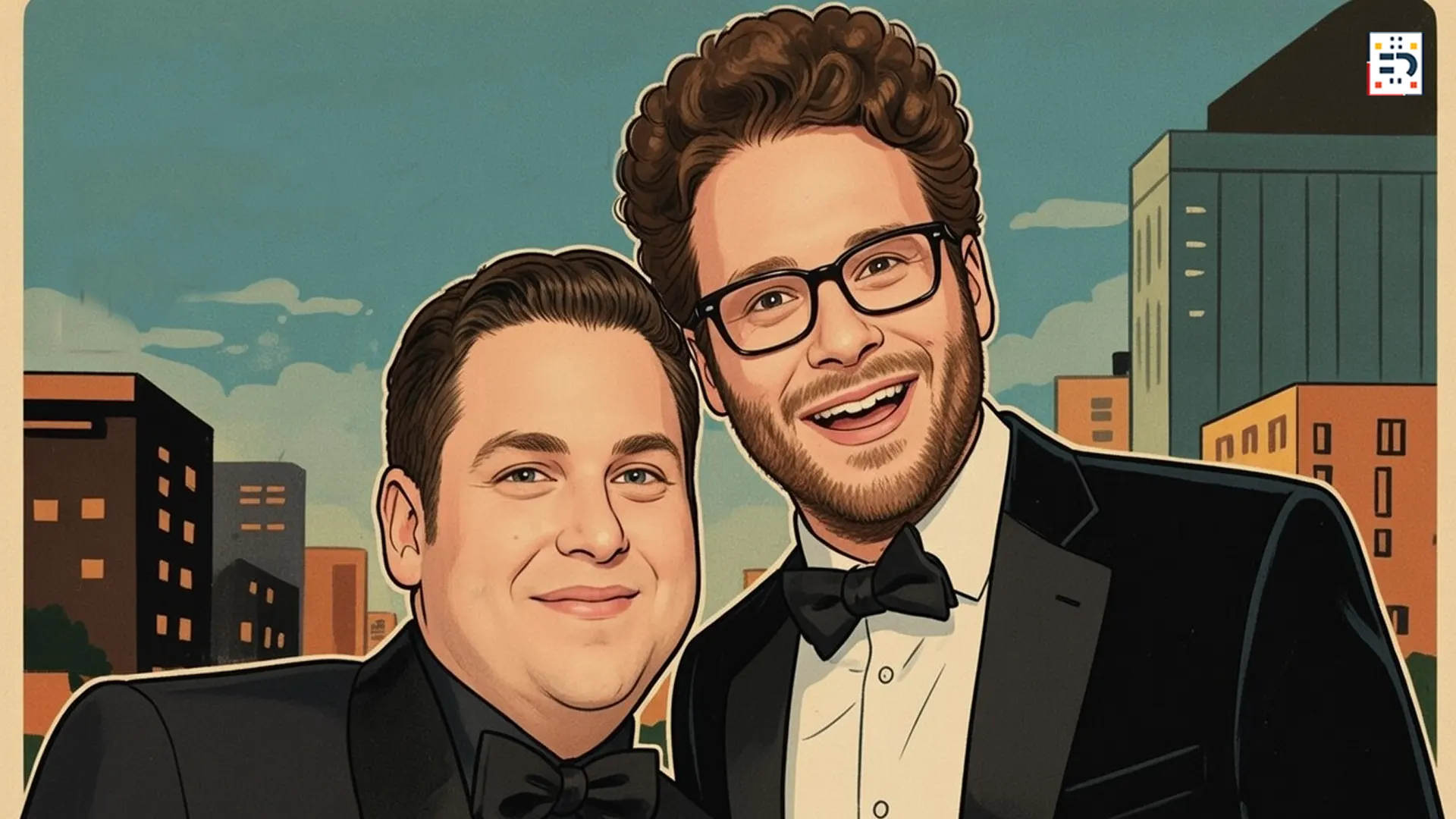
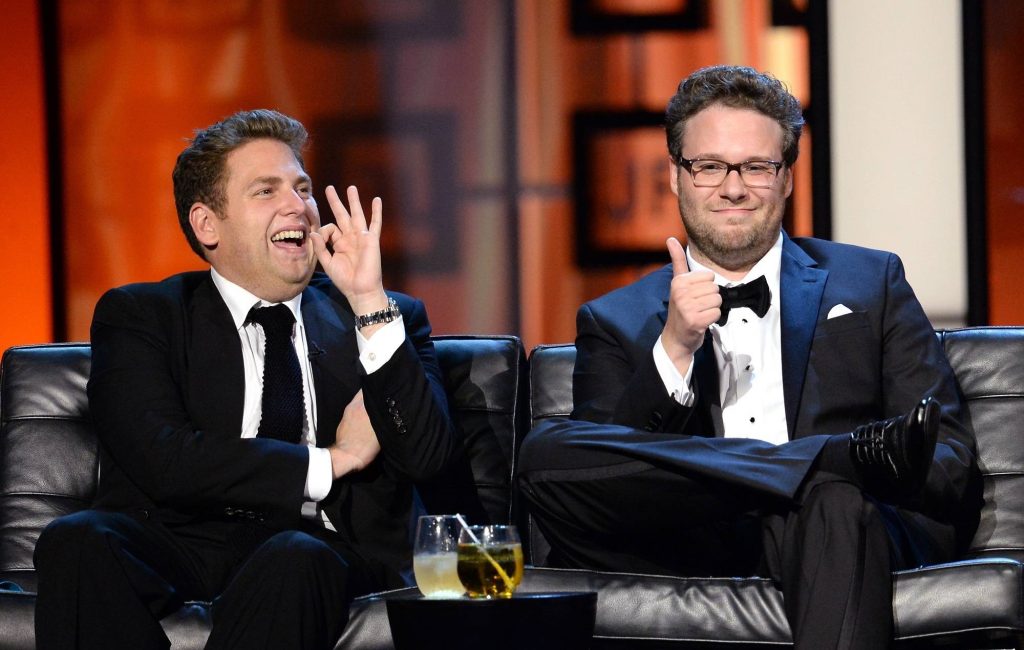
Hollywood nostalgia has entered a new phase—and Seth Rogen and Jonah Hill are at the center of it. Through Rogen’s production company, Point Grey Pictures, the duo is quietly reshaping how 1970s-inspired humor, aesthetics, and storytelling are reintroduced to modern audiences.
Rather than simple reboots, their projects blend retro DNA with contemporary self-awareness, turning nostalgia into a cultural remix instead of a museum piece.
What Is Point Grey Pictures?
Founded by Seth Rogen and Evan Goldberg, Point Grey Pictures has become one of Hollywood’s most influential comedy production houses. From cult hits to mainstream franchises, the company’s work consistently balances irreverence with emotional depth.
Rogen’s long-time collaborators—including Jonah Hill—have helped shape this identity across film and television, as documented by industry coverage from The Hollywood Reporter.
Why the 1970s Keep Coming Back
The 1970s represent a creative sweet spot: counterculture energy, auteur-driven projects, and looser genre boundaries. Modern filmmakers are drawn to that era’s freedom—especially as today’s audiences crave authenticity over polish.
According to pop culture analysis from Rolling Stone, nostalgia now works best when it’s filtered through irony and emotional honesty rather than strict replication.
Reviving IP Without Killing It
Unlike many studio-driven reboots, Point Grey’s approach focuses on tone instead of plot. That’s why revivals tied to their circle feel less like cash grabs and more like reinterpretations.
The rumored influence on legacy properties—ranging from The Muppets to comedy franchises in the spirit of 21 Jump Street—leans heavily on character-driven humor and cultural self-commentary.
Jonah Hill’s Evolution Shapes the Brand
Jonah Hill’s career arc mirrors this shift. Once known primarily for broad comedy, Hill has become a curator of taste—drawing from 70s cinema, underground fashion, and auteur filmmaking.
His influence, highlighted in profiles by Vulture, has helped push nostalgia projects toward introspection rather than parody.
Comedy That Ages Up With Its Audience
What sets the Point Grey ecosystem apart is its refusal to chase youth culture exclusively. Instead, it speaks to audiences who grew up on older IP but want stories that acknowledge adulthood, insecurity, and cultural change.
This philosophy aligns with broader entertainment trends tracked by Variety, where legacy brands succeed only when they evolve emotionally.
The Muppets Effect
The Muppets, in particular, fit naturally into this model. Their original 1970s incarnation was already meta, chaotic, and surprisingly adult.
Reimagining them through a Point Grey-style lens doesn’t mean making them edgy—it means restoring the cleverness that made them timeless in the first place.
The Future of Nostalgia Is Curated
Seth Rogen and Jonah Hill aren’t trying to bring the 70s back wholesale. They’re selecting the parts that still resonate: creative risk, emotional messiness, and humor that knows it’s part of a larger cultural loop.
In an era flooded with reboots, that restraint may be the most radical move of all.
#SethRogen #JonahHill #PointGreyPictures #HollywoodNostalgia #70sCulture #FilmReboots #PopCultureTrends