

 By Vinod Ram
As winter gaming news slows down, one topic continues to dominate search trends: Nintendo’s next-generation console. Whether fans call it the Switch 3 or the long-rumored Switch Pro 2, interest is surging around two key questions — when will it be revealed? and will it support backward compatibility?
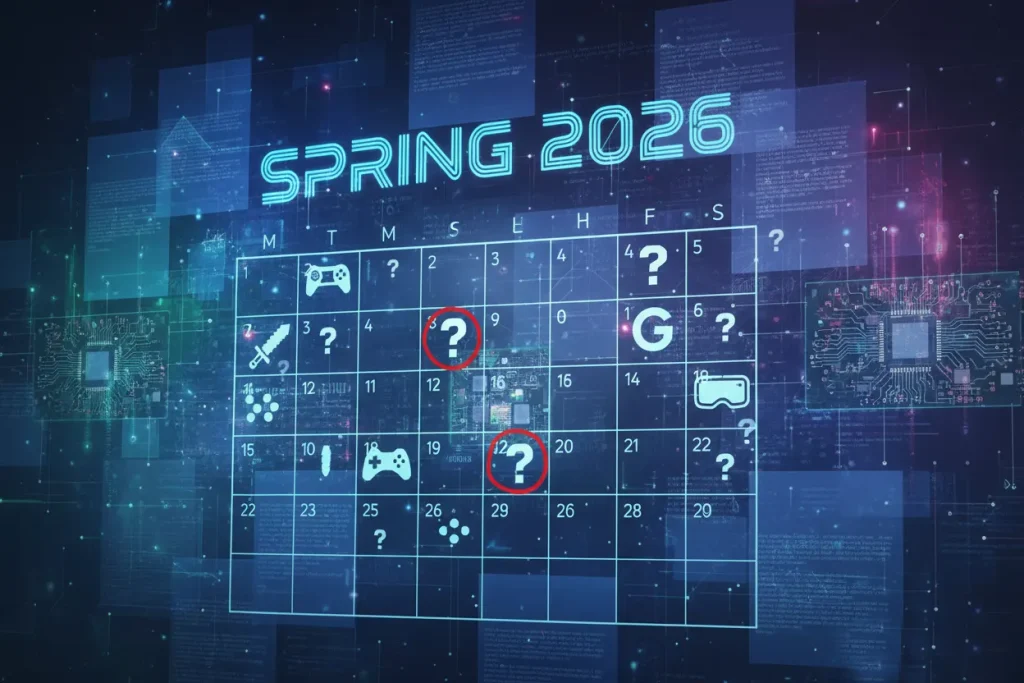
While leaks and speculation suggest hardware is well into development, multiple industry signals point to Nintendo holding its cards until Spring 2026. And for Nintendo, that delay may be a calculated move.
The “Next-Gen Nintendo” Rumor Cycle Explained
Searches for phrases like “next-gen Nintendo leaked release date” and “Nintendo backward compatibility” have spiked throughout the winter. Much of this has been fueled by supply-chain chatter, developer hints, and Nintendo’s uncharacteristic silence following a quiet 2025.
However, Nintendo has historically avoided revealing new hardware too early — especially when the existing ecosystem is still generating strong software sales.
Why Spring 2026 Makes Strategic Sense
Nintendo’s current strategy appears focused on extending the life of the original Nintendo Switch , which remains one of the best-selling consoles of all time. Major franchises are still releasing cross-generation titles, and a premature reveal could slow current sales.
By waiting until Spring 2026, Nintendo gains several advantages:
- Clearing the release calendar for final Switch-exclusive titles
- Avoiding overlap with competing console refreshes
- Positioning the reveal close to a potential holiday launch window
Backward Compatibility: Nintendo’s Biggest Ace
One of the most discussed rumors is full backward compatibility with existing Switch games. Analysts believe Nintendo understands the value of its massive software library — especially after the success of backward-compatible ecosystems on rival platforms.
Coverage from outlets like IGN and GamesIndustry.biz suggests Nintendo is prioritizing a seamless transition rather than a clean break, ensuring players don’t abandon their digital libraries.
Why Nintendo Isn’t Rushing the Reveal
Unlike competitors, Nintendo doesn’t compete directly on raw power. Its success has always hinged on timing, exclusives, and unique hardware concepts. A delayed reveal allows Nintendo to:
- Refine hardware features beyond incremental upgrades
- Secure launch titles from first-party studios
- Control the narrative instead of reacting to leaks
In many ways, the silence itself is part of the marketing strategy — fueling speculation without committing to specifics.
What to Expect When the Curtain Finally Lifts
When Nintendo does reveal its next console, expectations are clear: stronger performance, enhanced portability, modern online features, and — most importantly — continuity with the Switch ecosystem.
If the reveal does land in Spring 2026, it would give Nintendo a clear runway to dominate headlines heading into E3-season alternatives and the critical holiday shopping cycle.
The winter rumor mill may be spinning fast, but Nintendo has never followed the industry’s timetable. By waiting until Spring 2026, the company can maximize hype, protect current sales, and ensure its next console launches with purpose — not pressure.
Until then, speculation around the Switch 3 or Pro 2 will only continue to grow — exactly how Nintendo likes it.
#NintendoSwitch3 #SwitchPro2 #NextGenNintendo #NintendoRumors #GamingNews #ConsoleLeaks #FutureOfGaming