

 By Vinod Ram
Reality television is undergoing its most radical transformation yet. With the launch of AI-driven formats like Sweden’s Verkligheten , viewers are no longer just watching drama unfold — they’re actively shaping it in real time.
Backed by advances in artificial intelligence and interactive streaming technology, major players including Samsung and global streaming platforms are experimenting with formats that blur the line between audience and cast. The question now dominating the entertainment industry: has the “fourth wall” finally disappeared?
What Is “Verkligheten”?
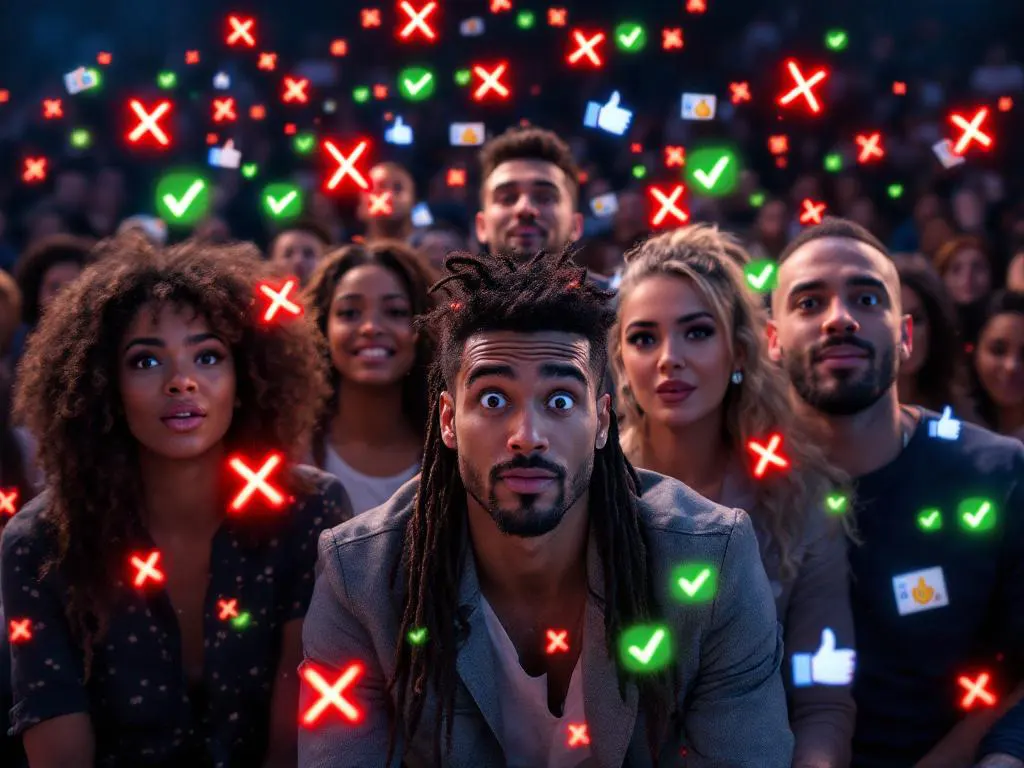
“Verkligheten,” which translates to “Reality” in Swedish, is an experimental reality TV format that integrates AI decision engines directly into live or near-live programming. Viewers vote, react, and influence character decisions, story arcs, and even outcomes as episodes unfold.
Unlike traditional interactive experiments such as Netflix’s Black Mirror: Bandersnatch , Verkligheten operates continuously — not as a one-off branching narrative, but as an evolving social ecosystem shaped by audience behavior.

How AI Makes Real-Time Story Control Possible
At the core of these new formats is artificial intelligence capable of processing massive volumes of viewer input instantly. AI models analyze votes, sentiment, and engagement signals to dynamically adjust storylines, challenges, and interpersonal conflicts.
According to coverage by The Verge , these systems combine natural language processing, predictive modeling, and behavioral analytics to ensure stories remain coherent — even when millions of viewers are “co-writing” the show.
The Death of Passive Viewing
For decades, television has been a passive medium. Even reality TV, despite its name, relied on heavy editing and producer control. AI-powered formats flip that dynamic entirely.
Viewers are now encouraged to:
- Vote on contestant decisions in real time
- Influence alliances, eliminations, or narrative twists
- See immediate consequences of collective audience choices
This shift mirrors trends already seen in gaming and live-streaming platforms like Twitch, where audience interaction is central to the experience.
Is the Fourth Wall Truly Gone?
The “fourth wall” — the invisible barrier between performers and audience — has been weakened before. Social media, live voting, and audience polling all chipped away at it. AI-driven reality TV may finally remove it altogether.
Contestants in shows like Verkligheten are aware that viewers are not just watching them — they are actively steering their reality. This awareness fundamentally changes behavior, authenticity, and even performance psychology.
Why Tech Giants Are Betting on Interactive Reality
For companies like Samsung and major streamers, interactive TV represents more than novelty. It offers:
- Longer viewer engagement and session times
- Richer first-party data on audience preferences
- New monetization models tied to participation, not just views
Analysts at Forbes have noted that participatory content aligns perfectly with the attention economy, where interaction is more valuable than passive consumption.
The Ethical and Creative Risks
While the technology is impressive, it raises important questions. Does audience control encourage mob behavior? Can meaningful storytelling survive algorithmic crowd decisions?
Critics warn that over-optimization for engagement could lead to exaggerated conflict or emotional manipulation — issues already present in traditional reality TV, now amplified by real-time feedback loops.
The Future of Television?
Interactive reality formats like Verkligheten may represent the next evolutionary step in entertainment, particularly for younger, digitally native audiences who expect agency rather than observation.
While scripted dramas and traditional reality shows won’t disappear overnight, AI-powered participation could become a parallel mainstream category — one where viewers are no longer outside the story, but inside it.
If Verkligheten is a glimpse of what’s coming, the future of television is less about watching and more about choosing. The fourth wall isn’t just cracked — it may already be gone.
And as AI continues to evolve, the question won’t be whether audiences can influence stories — but whether they’ll accept going back to a world where they can’t.
#InteractiveTV #RealityTV #AIEntertainment #Verkligheten #StreamingInnovation #FutureOfTV #MediaTrends #digitalnewsforall