

 By Vinod Ram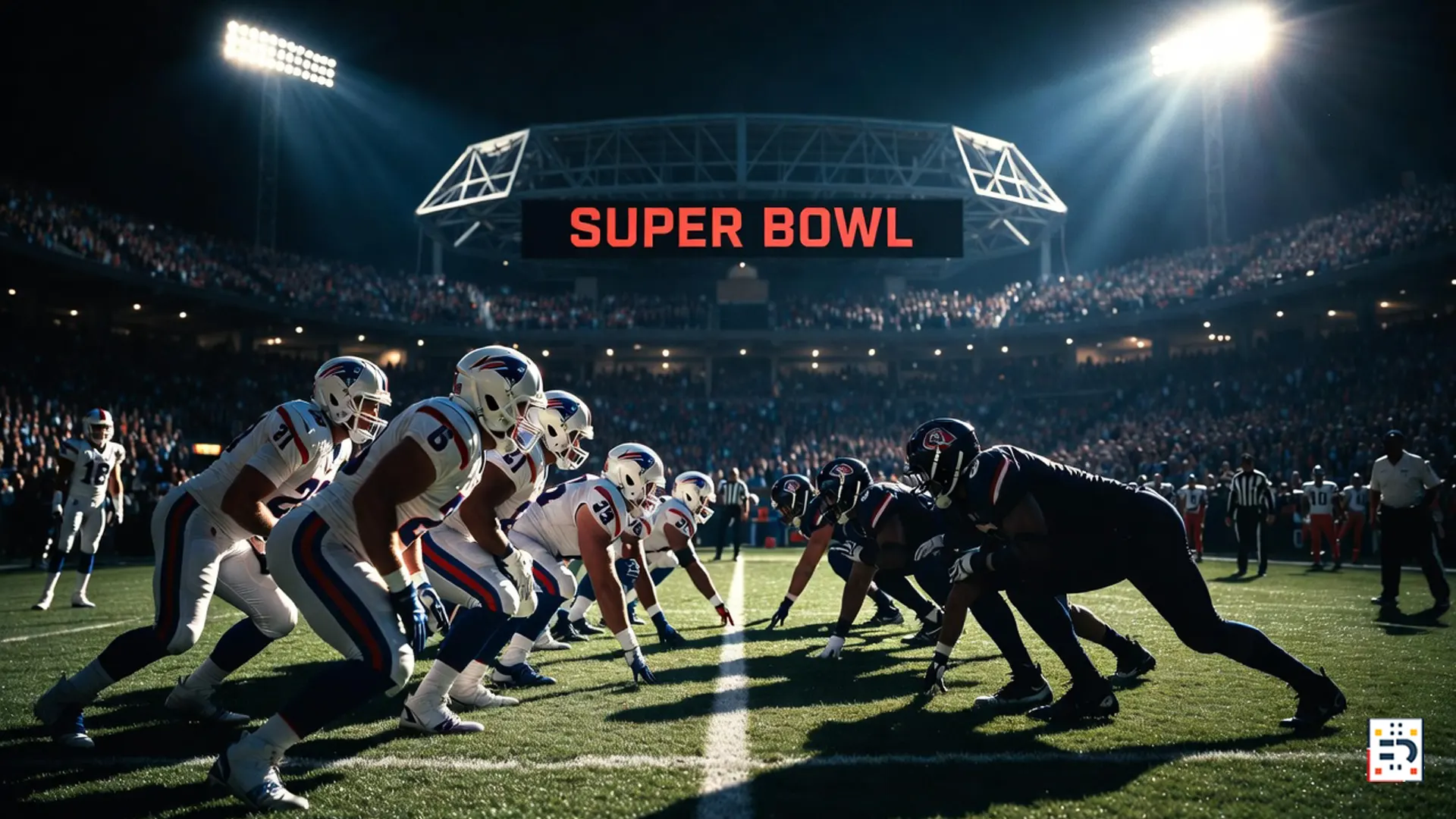
The stage is set for Super Bowl LXI , with the final two teams emerging from a grueling playoff gauntlet. As kickoff approaches, fans aren’t just debating winners — they’re searching for deep tactical insight into how this championship will actually be decided on the field.
The Super Bowl is rarely won on star power alone. According to historical breakdowns from NFL.com, it’s execution, adjustments, and situational football that ultimately determine who lifts the Lombardi Trophy .
Offense vs. Defense: The Defining Battle
Super Bowl LXI presents a classic contrast in styles. One team enters with a high-efficiency offense built on tempo and spacing, while the other has leaned heavily on defensive discipline and situational stops throughout the postseason.
Analysts at Football Outsiders emphasize that early-down success will be critical. Winning first and second down allows offenses to dictate personnel groupings and neutralize exotic pressure packages.
The Trench War: Offensive Line vs. Pass Rush
If there is one area that consistently shapes Super Bowl outcomes, it’s the line of scrimmage. Pressure without blitzing has become the gold standard for championship defenses.
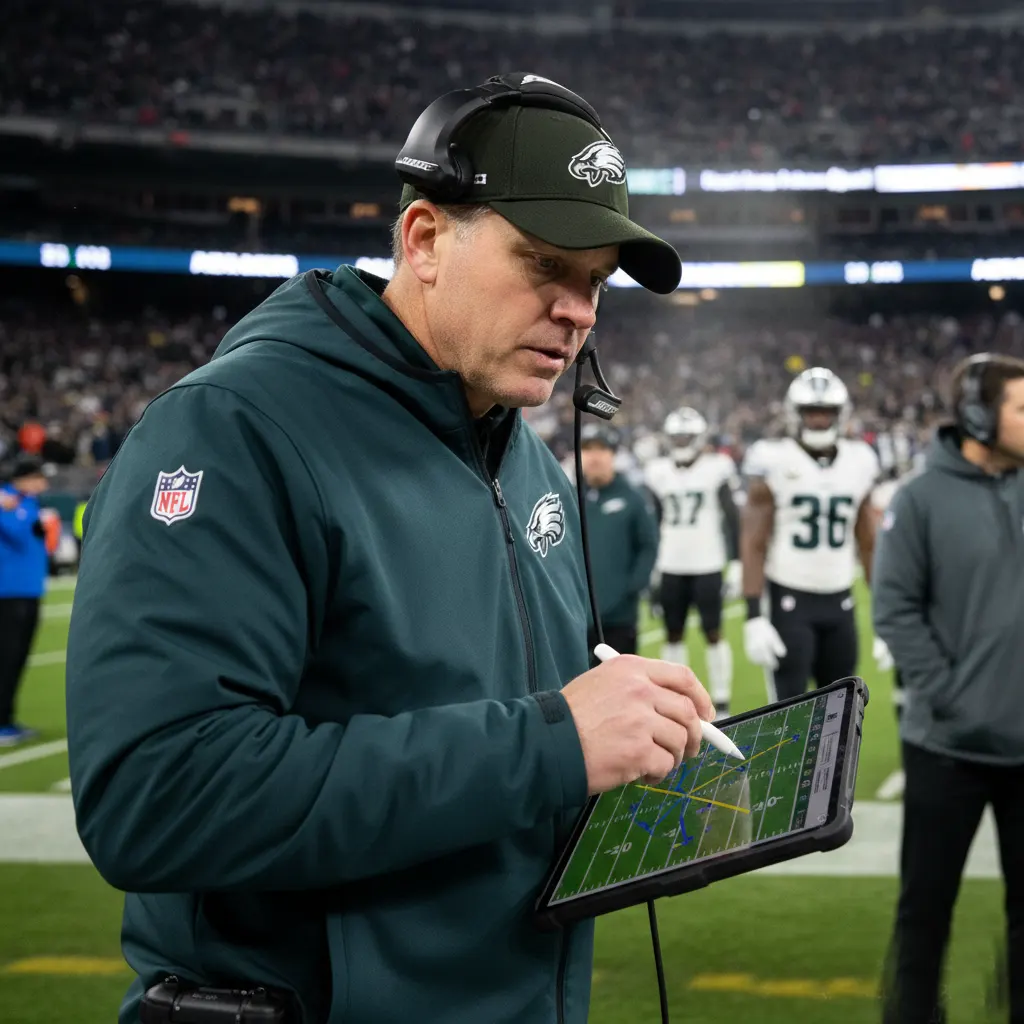
- Can the offensive line handle four-man rushes?
- Will interior pressure disrupt timing routes?
- How quickly can the quarterback process under duress?
Data from Pro Football Reference shows that quarterbacks under pressure see dramatic drops in completion percentage and explosive plays — a trend that often decides Super Bowls before the fourth quarter.
Quarterback Decision-Making Under the Microscope
Super Bowl defenses thrive on disguises. Defenses design post-snap rotations, simulated pressures, and late safety movement to bait quarterbacks into mistakes.
The winning quarterback in Super Bowl LXI will likely be the one who:
- Takes checkdowns instead of forcing throws
- Avoids negative plays on early downs
- Protects the football in scoring territory
As highlighted in breakdowns from The Athletic , Super Bowls are often lost by a single decision rather than won by a highlight play.
The Hidden Yardage: Special Teams Impact
Special teams are frequently overlooked — until they aren’t. Field position swings, long returns, and clutch kicks can quietly flip momentum.
Coaches often tighten play-calling in Super Bowls, making:
- Punt coverage discipline
- Red-zone field goal efficiency
- Kickoff placement strategy
Even a single blocked kick or muffed return can alter championship history.
Coaching Chess Match and In-Game Adjustments
With two weeks to prepare, coaches meticulously script Super Bowl game plans. But the true separator is how they adjust once they exhaust those scripts.
Look for:
- Halftime defensive adjustments
- Personnel changes based on matchup exploitation
- Fourth-down decision-making under pressure
According to historical Super Bowl trends, teams that adapt faster in the third quarter often control the closing minutes.
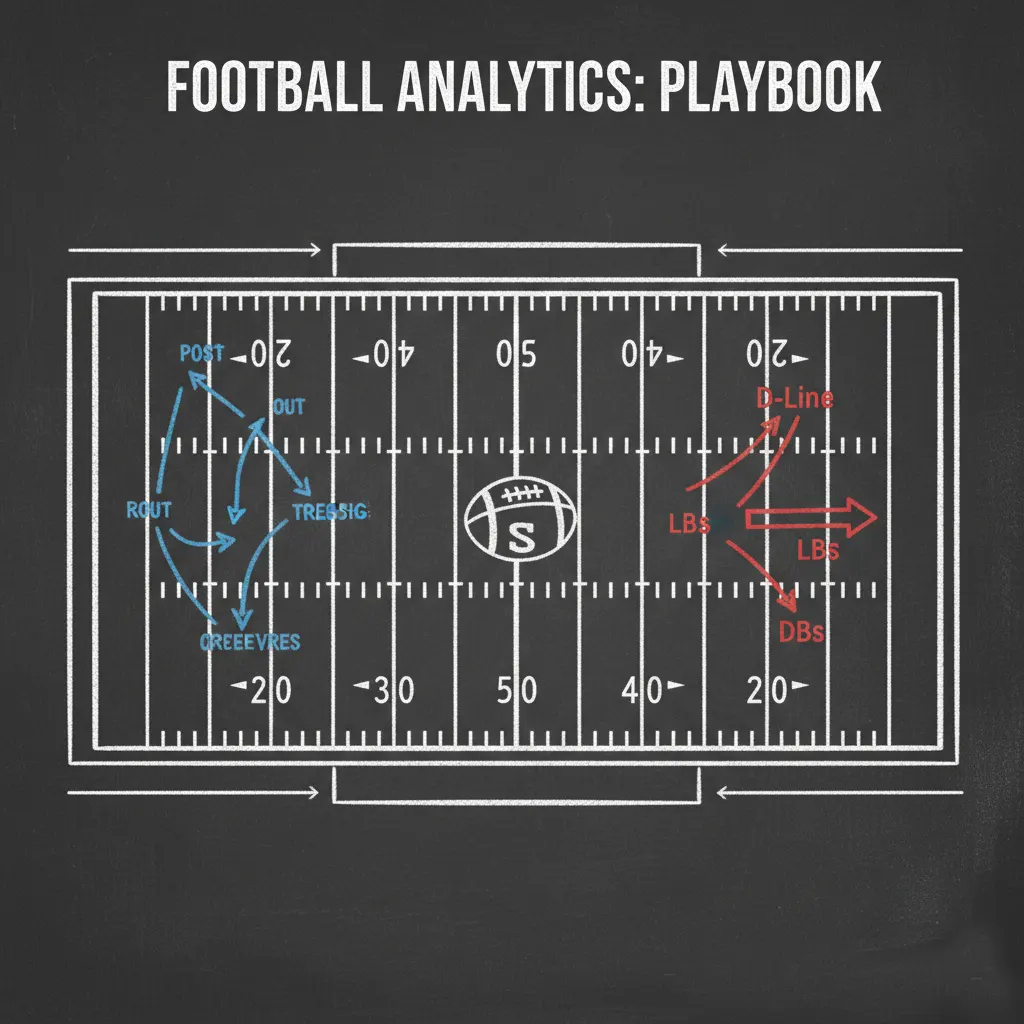
Turnovers and the Margin for Error
In games where talent is evenly matched, turnovers become magnified. A single interception or strip-sack can swing win probability dramatically.
Both teams entering Super Bowl LXI have protected the football well throughout the playoffs, making any giveaway especially costly on the sport’s biggest stage.
Final Key to the Lombardi Trophy
One superstar alone will not decide Super Bowl LXI. Execution in the trenches, discipline under pressure, and coaching decisions when margins are razor-thin will determine it.
When the confetti falls, the champion will be the team that stayed patient, protected the football, and won the moments that don’t always show up in the box score.
#SuperBowlLXI #NFLPlayoffs #SuperBowlAnalysis #LombardiTrophy #NFLNews #FootballStrategy #BigGame