

 By Vinod Ram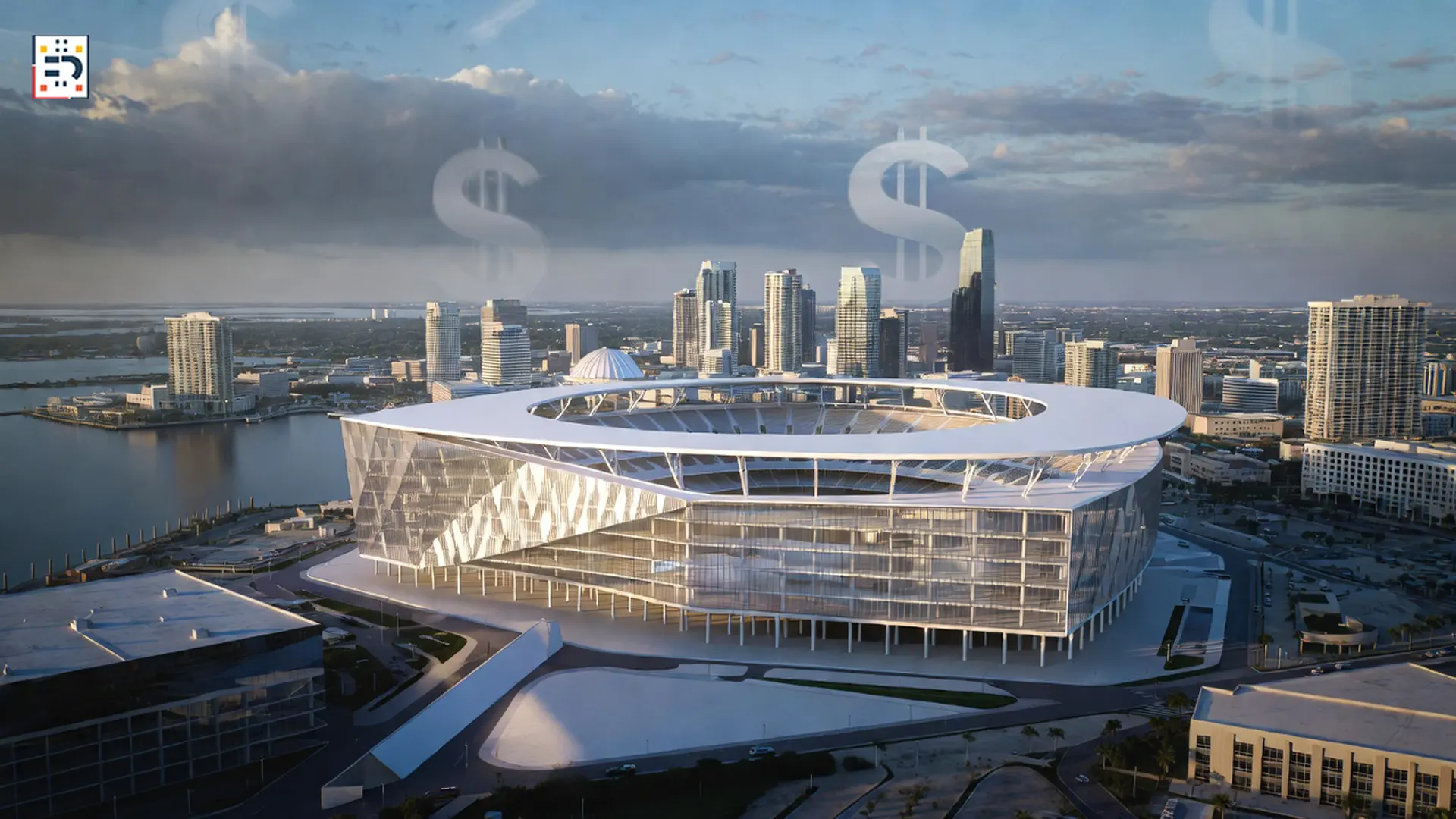
New details surrounding a proposed Tampa Bay Rays stadium—carrying an eye-watering price tag of $2.1 billion—have reignited a familiar and polarizing debate: should taxpayers help fund professional sports venues?
As city leaders, developers, and team executives push the proposal forward, residents across the Tampa Bay area are split over whether the promise of economic growth justifies the public investment.
What’s in the Rays’ New Stadium Proposal?
The proposal outlines a state-of-the-art, retractable-roof ballpark designed to secure the Rays’ long-term future in the region. The plan includes surrounding mixed-use development featuring retail, housing, and entertainment districts—an increasingly common model in modern stadium deals.
Supporters argue the project would transform underdeveloped land and keep Major League Baseball rooted in Florida.
How Much Would Taxpayers Pay?
While the Rays organization would contribute a portion of the funding, a significant share would come from public sources, including local taxes, bonds, and infrastructure spending.
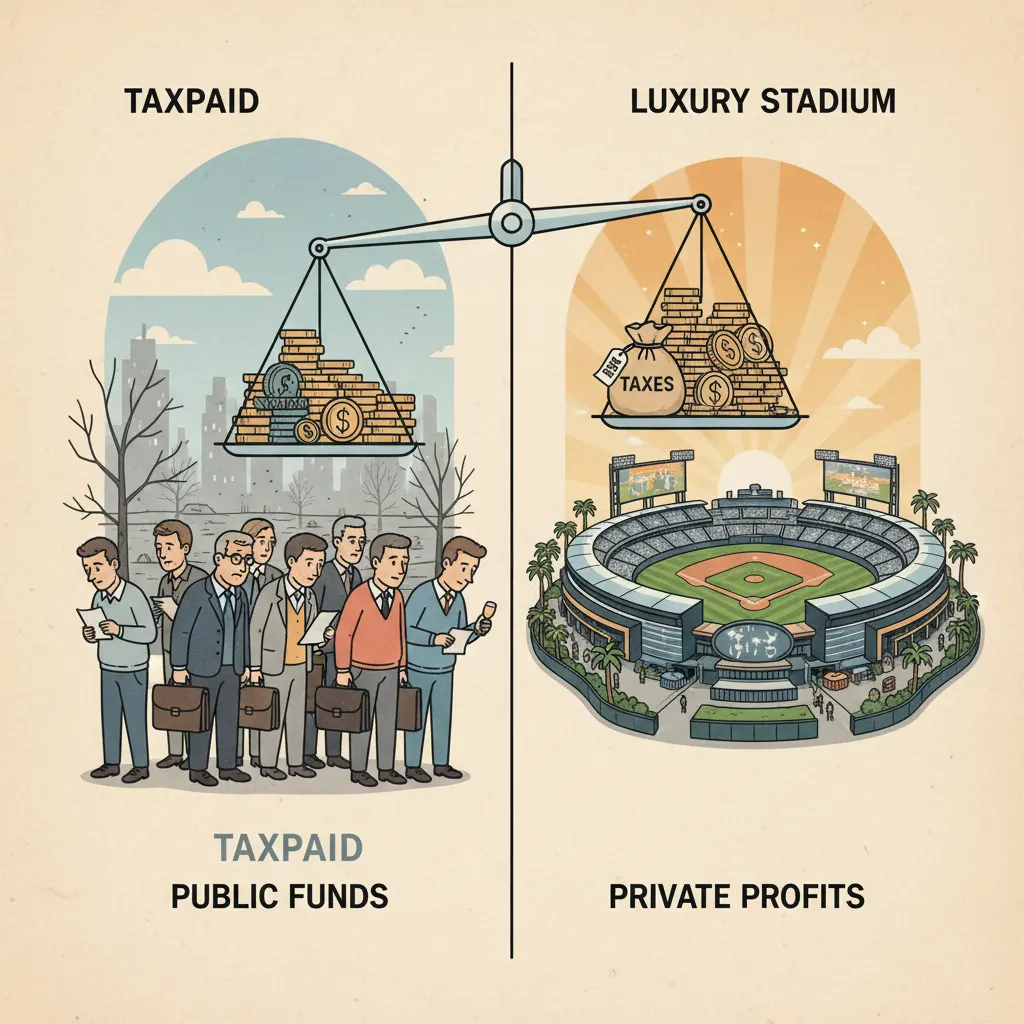
This has drawn comparisons to past publicly funded stadium projects, many of which promised economic windfalls that critics say never fully materialized.
The Case for Public Funding
Proponents of the deal argue that keeping the Rays in Tampa Bay has intangible value. They cite:
- Job creation during construction and beyond
- Increased tourism and hospitality revenue
- National visibility for the region
- Urban revitalization tied to mixed-use development
Team officials also warn that without a new stadium, the Rays could explore relocation—an outcome many fans fear.
The Case Against It
Opponents counter that taxpayer-funded stadiums often benefit team owners more than the public. Academic studies on sports economics have repeatedly questioned whether new venues significantly boost local economies.
Critics also point out that public funds could be redirected toward pressing needs such as housing affordability, transportation, or education.

A Familiar American Debate
The Rays’ stadium controversy mirrors similar battles in cities like Oakland, Las Vegas, and Chicago, where public trust in stadium financing has eroded.
In an era of rising costs and tighter municipal budgets, voters are increasingly skeptical of large-scale sports subsidies—especially when teams threaten relocation as leverage.
What Happens Next?
Local officials are expected to debate funding mechanisms in the coming months, with public hearings likely to draw heated responses. Whether the deal moves forward may ultimately depend on political will—and public pressure.
For now, the $2.1 billion question remains unanswered: is a new Rays stadium a smart investment, or an expensive gamble?
#TampaBayRays #NewStadiumDebate #PublicFunding #SportsEconomics #MLBNews #TaxpayerMoney #UrbanDevelopment