

 By Vinod Ram
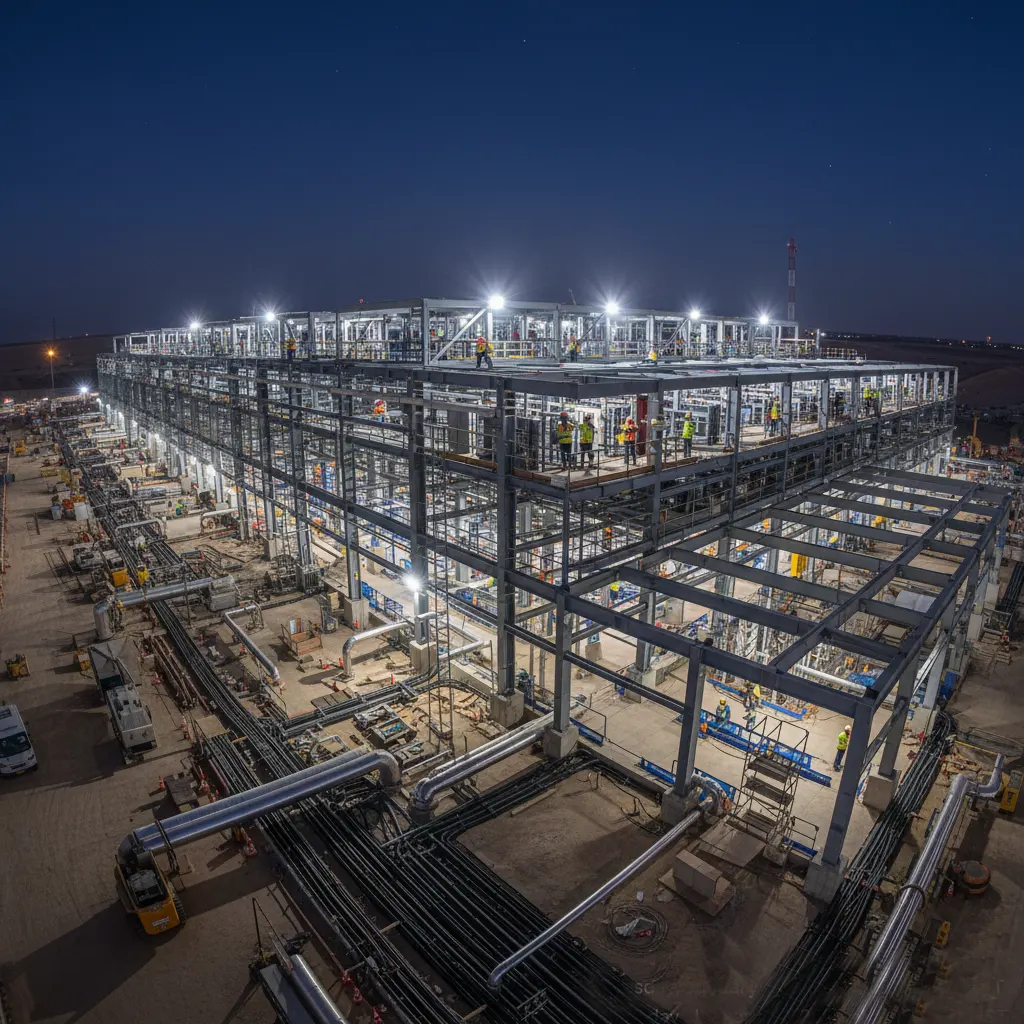
Artificial intelligence spending has entered a new phase. In 2025 and heading into 2026, tech giants are expected to pour an estimated $515 billion into AI-related capital expenditures, from data centers to advanced chips. This surge—often referred to as the hyperscaler boom—is already reshaping markets and could have major implications for S&P 500 growth and long-term retirement portfolios.
For investors with a 401(k), the question is no longer whether AI matters, but how deeply it is woven into the future of the stock market.
What Is Driving the $515 Billion AI Capex Surge?
The biggest spenders are hyperscalers—companies that operate massive cloud and computing platforms. These include firms like Microsoft, Google, Amazon Web Services, and Meta.
Their spending focuses on:
- AI-optimized data centers
- High-performance GPUs and custom chips
- Cloud infrastructure for generative AI
- Energy and cooling systems to support scale
According to reporting from Bloomberg and The Wall Street Journal, this level of capital investment rivals historic spending cycles like the early internet and smartphone eras.
Why Hyperscalers Matter So Much to the S&P 500
The S&P 500 is heavily weighted toward large-cap technology companies. A small group of AI-driven firms now account for a significant share of the index’s total market value.
When hyperscalers invest aggressively, they influence:
- Overall earnings growth for the index
- Capital spending trends across suppliers
- Investor sentiment toward risk and innovation
This means AI capex does not stay confined to Big Tech. It ripples through semiconductors, energy, construction, and software.
The Supply Chain Effect: Winners Beyond Big Tech
Massive AI investment benefits an entire ecosystem. Companies like NVIDIA dominate AI chip supply, while firms involved in power management, networking, and cooling systems also see rising demand.
This broad exposure is one reason many analysts believe AI spending could support S&P 500 earnings growth through 2026, even if consumer demand softens in other areas.
For diversified investors, this matters more than picking a single AI stock.
What This Means for Your 401(k)
Most 401(k) plans are heavily invested in index funds tied to the S&P 500 or total market benchmarks. As a result, AI-driven capital spending directly affects long-term returns.
Potential benefits include:
- Higher earnings growth for index heavyweights
- Stronger long-term productivity gains
- New profit pools from AI-driven services
However, increased capex also carries risks. Heavy spending can pressure short-term margins, and expectations around AI growth remain high.
As noted by analysts at Morningstar, long-term investors should focus less on hype cycles and more on sustained cash-flow growth.
Will AI Spending Boost S&P 500 Growth in 2026?
Looking ahead to 2026, economists expect AI investment to shift from infrastructure buildout to monetization. That transition could support broader earnings expansion.
If hyperscalers successfully convert AI tools into higher-margin products, the S&P 500 could see durable growth even in a slower macro environment.
Still, market leadership may narrow, increasing volatility for investors chasing short-term gains.
How Long-Term Investors Should Think About AI
For retirement savers, the AI capex boom reinforces a familiar lesson: innovation cycles reward patience. Just as the internet reshaped portfolios over decades, AI’s impact will unfold over time.
Diversification, low costs, and long-term discipline remain critical—especially as headlines grow louder.
The $515 billion AI capex surge marks one of the most aggressive investment cycles in modern market history. For hyperscalers, it’s a bet on the future of computing. For the S&P 500, it may be a key growth engine into 2026.
And for your 401(k), it’s a reminder that transformative technologies often shape returns long before their full impact becomes obvious.
#AIInvesting #Hyperscalers #StockMarketTrends #SP500 #TechStocks #LongTermInvesting #RetirementPlanning