

 By Vinod Ram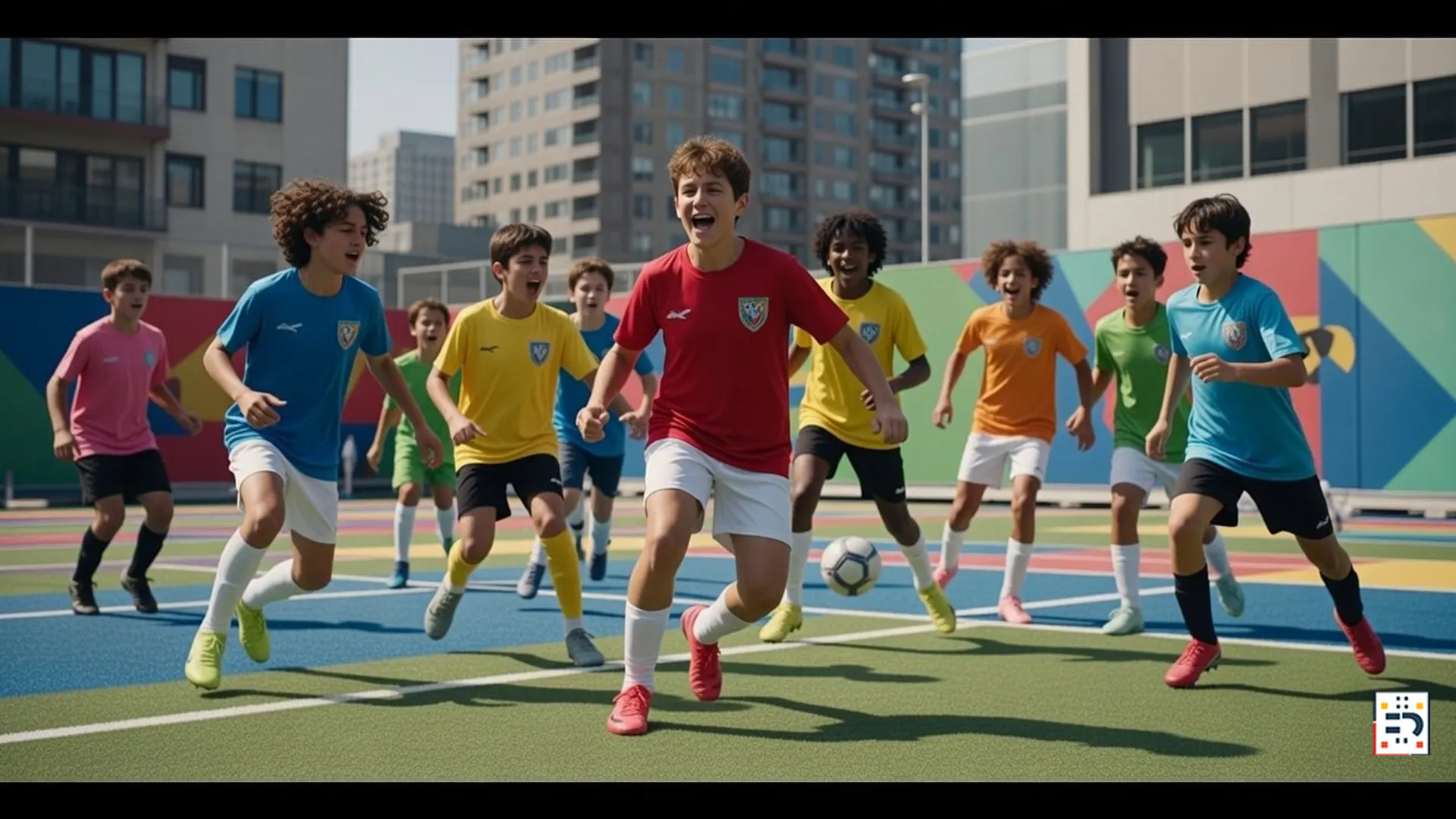
FIFA 2026 is already reshaping the future of American youth soccer—years before the opening match. As the United States prepares to co-host the world’s biggest sporting event, unprecedented investment, infrastructure upgrades, and grassroots programs are accelerating participation nationwide.
At the heart of this transformation are two powerful forces: a $100 million investment in community mini-pitches and projections that soccer participation will reach 29 million players in the U.S. this year.
Why FIFA 2026 Is a Turning Point for U.S. Soccer
The FIFA World Cup 2026 will be the largest tournament in history, hosted across the United States, Canada, and Mexico. For American soccer, the visibility alone is transformative.
According to the U.S. Soccer Federation, youth engagement has surged as anticipation builds. The tournament is not only inspiring young players but also attracting long-term investment into grassroots development.
This moment mirrors what previous host nations experienced—only on a much larger scale.
The $100 Million Push for Mini-Pitches
One of the most impactful initiatives is a $100 million investment into mini-pitches across underserved communities. These small-sided fields are designed for accessibility, safety, and year-round play.
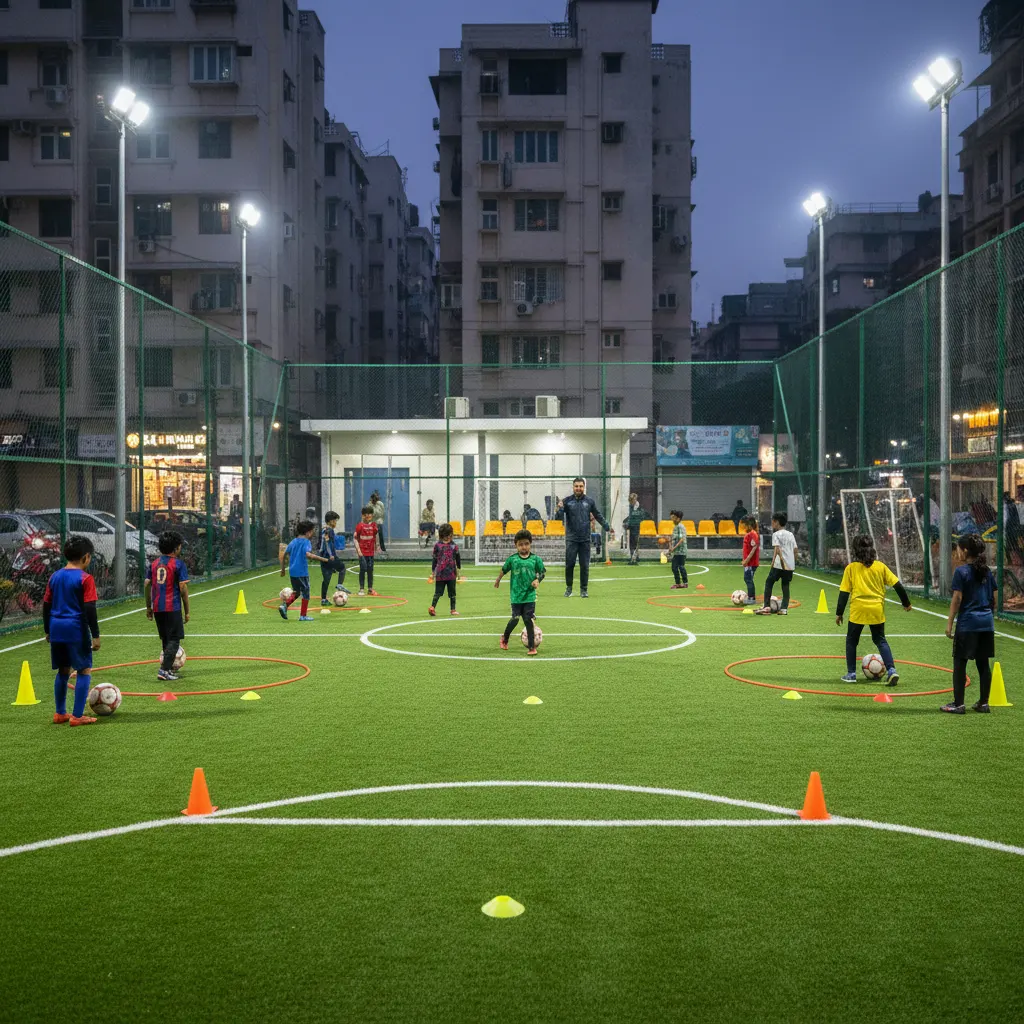
Led by the U.S. Soccer Foundation with support from FIFA Forward, the initiative aims to build thousands of pitches nationwide.
Mini-pitches remove traditional barriers to entry. They require less space, lower costs, and minimal equipment—making soccer available to more children than ever before.
Why Soccer Participation Is Projected to Reach 29 Million
Industry analysts now project 29 million soccer participants in the U.S. this year, spanning youth leagues, school programs, recreational play, and organized clubs.
Several factors drive this growth:
- Increased access through mini-pitches and public facilities
- Rising popularity of professional leagues like Major League Soccer
- Stronger youth development pathways such as MLS NEXT
- Global exposure from international tournaments and streaming platforms
Unlike previous growth cycles, this surge is broad-based and geographically diverse.
Clearer Pathways From Playground to Pro
The World Cup spotlight has accelerated structural reform in American soccer. Youth academies now connect more directly to professional clubs.
Players no longer see soccer as a recreational-only sport. For many families, it represents a viable long-term pathway—whether through college programs, professional contracts, or international opportunities.
This ecosystem aligns the U.S. more closely with global development models.

Community Impact Beyond the Game
The benefits extend beyond competition. Mini-pitches function as safe community spaces that promote physical health, teamwork, and social inclusion.
According to Sports Business Journal, cities view these investments as long-term assets tied to public health and youth engagement.
Soccer becomes a tool for development—not just a sport.
What Happens After 2026?
The legacy of FIFA 2026 will not be measured solely by attendance or revenue. Its real impact will emerge in the decade that follows.
Youth players inspired today will form the foundation of future national teams, leagues, and community leaders. The infrastructure built now ensures soccer remains accessible long after the final whistle.
For American youth soccer, 2026 is the beginning—not the peak.
FIFA 2026 is transforming American youth soccer through strategic investment and cultural momentum. With $100 million dedicated to mini-pitches and participation nearing 29 million players, the sport is entering a new era.
The World Cup may last one month—but its influence on the next generation will last decades.
#FIFA2026 #YouthSoccer #MiniPitches #WorldCup2026 #USSoccer #GrassrootsSoccer #SoccerGrowth