

 By Vinod Ram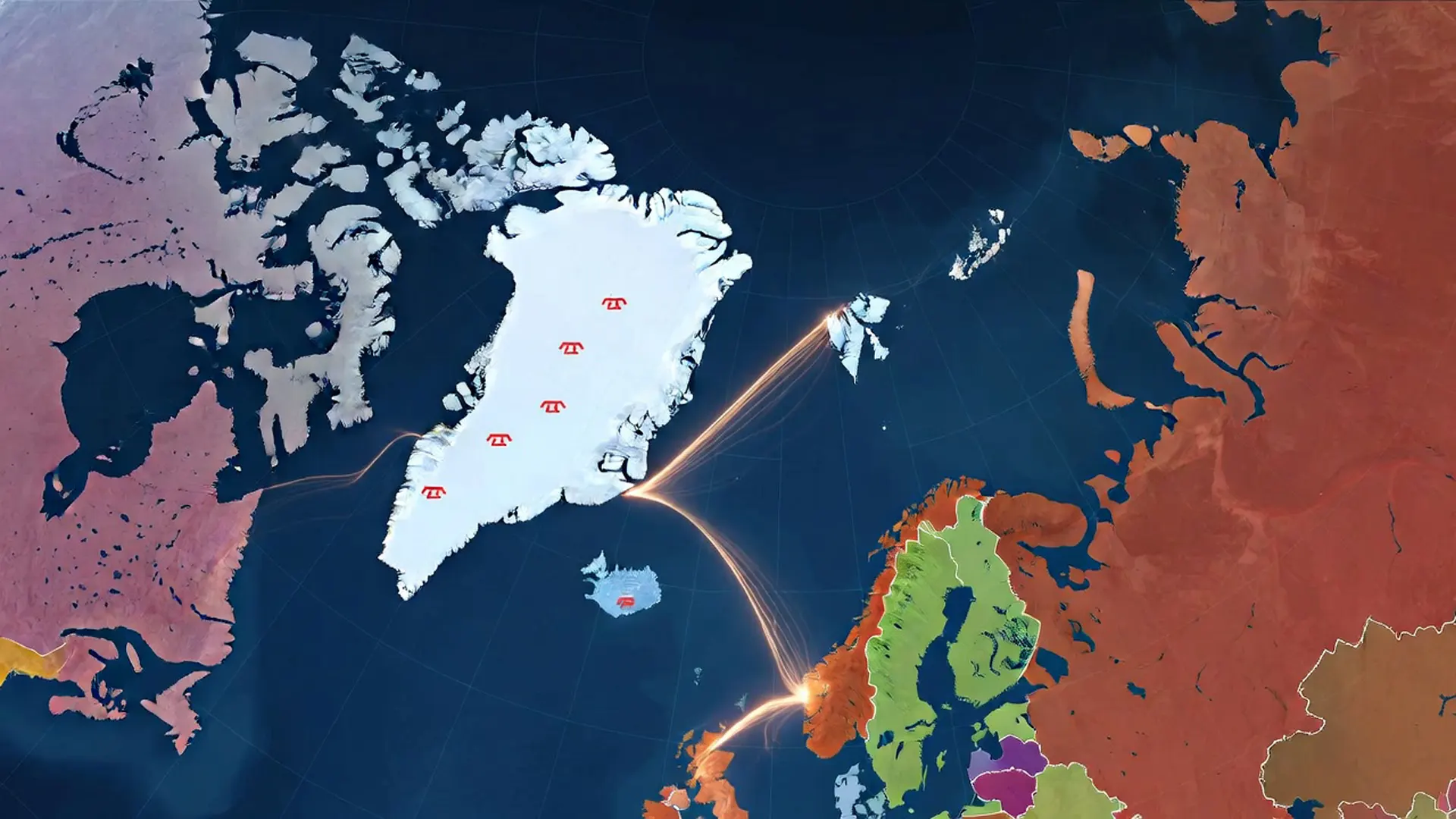
When former U.S. President Donald Trump used the global stage at the World Economic Forum in Davos to revive rhetoric around tariffs and strategic control over Greenland, markets took notice. While the idea of a so-called “Greenland Tariff” may sound abstract, the economic implications could directly affect consumer prices, inflation, and global trade stability.
Here’s what the debate really means — and how it could impact your wallet.
What Is the “Greenland Tariff” Debate?
Greenland, an autonomous territory of Denmark, has gained strategic importance due to its rare earth mineral reserves, expanding Arctic shipping routes, and geopolitical positioning between North America, Europe, and Russia.
Trump’s Davos remarks hinted at aggressive trade policies — including tariffs or economic pressure — as leverage in future negotiations involving Greenland’s resources and security role.
Why Greenland Matters More Than Ever
- Critical minerals used in EV batteries, defense systems, and semiconductors
- Shorter Arctic trade routes reducing shipping costs long-term
- Growing competition among the U.S., China, and Russia
How Tariff Threats Ripple Through the Economy
Tariffs are rarely isolated policy tools. According to analysis from the Peterson Institute for International Economics, tariffs tend to increase costs for importers, which are then passed on to consumers.
If tariffs were imposed on Greenland-linked supply chains, the effects could include:
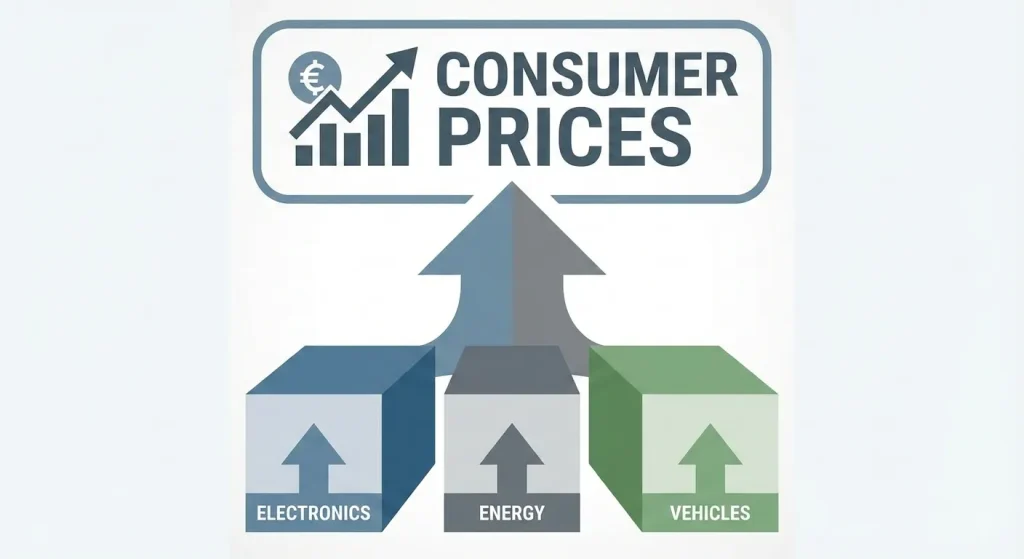
- Higher prices for electronics, electric vehicles, and renewable energy products
- Increased volatility in global commodity markets
- Pressure on inflation already strained by geopolitical risks
What This Means for U.S. and Global Consumers
For households, tariff-driven trade tensions often translate into subtle but persistent price increases. Research from the U.S. Federal Reserve shows that even narrowly targeted tariffs can raise consumer costs across multiple sectors.
You may feel the impact through:
- More expensive consumer electronics
- Higher vehicle and battery replacement costs
- Increased energy transition expenses
Investor and Market Reactions
Markets typically react quickly to tariff rhetoric. Following Trump’s Davos comments, analysts noted increased interest in commodity-linked assets and defense stocks, while multinational manufacturers faced renewed uncertainty.
For long-term investors, this debate reinforces the importance of:
- Diversified portfolios
- Exposure to supply-chain-resilient industries
- Monitoring geopolitical risk premiums
Is This Political Strategy or Economic Reality?
Critics argue that the Greenland tariff narrative is more political signaling than policy certainty. Supporters, however, view it as part of a broader push toward economic nationalism and supply chain sovereignty.
Either way, history shows that trade rhetoric alone can influence markets, corporate planning, and consumer confidence — even before any formal policy is enacted.
Should You Be Concerned?
The “Greenland Tariff” debate may never materialize into direct tariffs, but it highlights a growing reality: geopolitics and personal finance are increasingly connected.
For consumers and investors alike, staying informed about global trade dynamics is no longer optional — it’s essential for financial planning in an interconnected world.
#GreenlandTariff #GlobalTrade #InflationImpact #TrumpNews #WorldEconomy #TradePolicy #ConsumerPrices