

 By Vinod Ram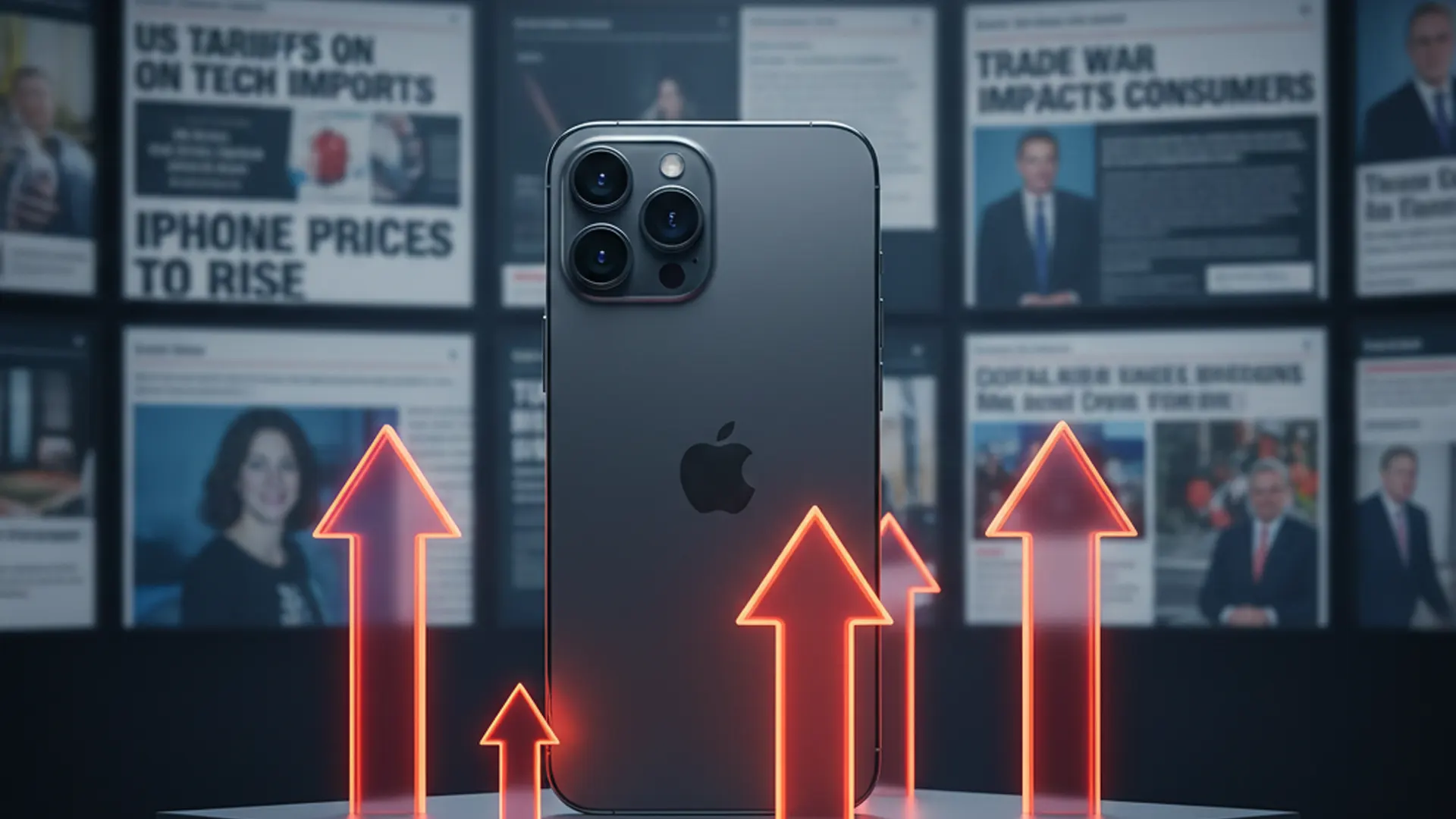
A new wave of U.S. trade tariffs is taking effect this month. As a result, American consumers are bracing for higher prices.
Electronics are among the hardest-hit categories. Consequently, analysts warn that your next iPhone could cost up to $200 more.
What Is Driving the New Tariffs?
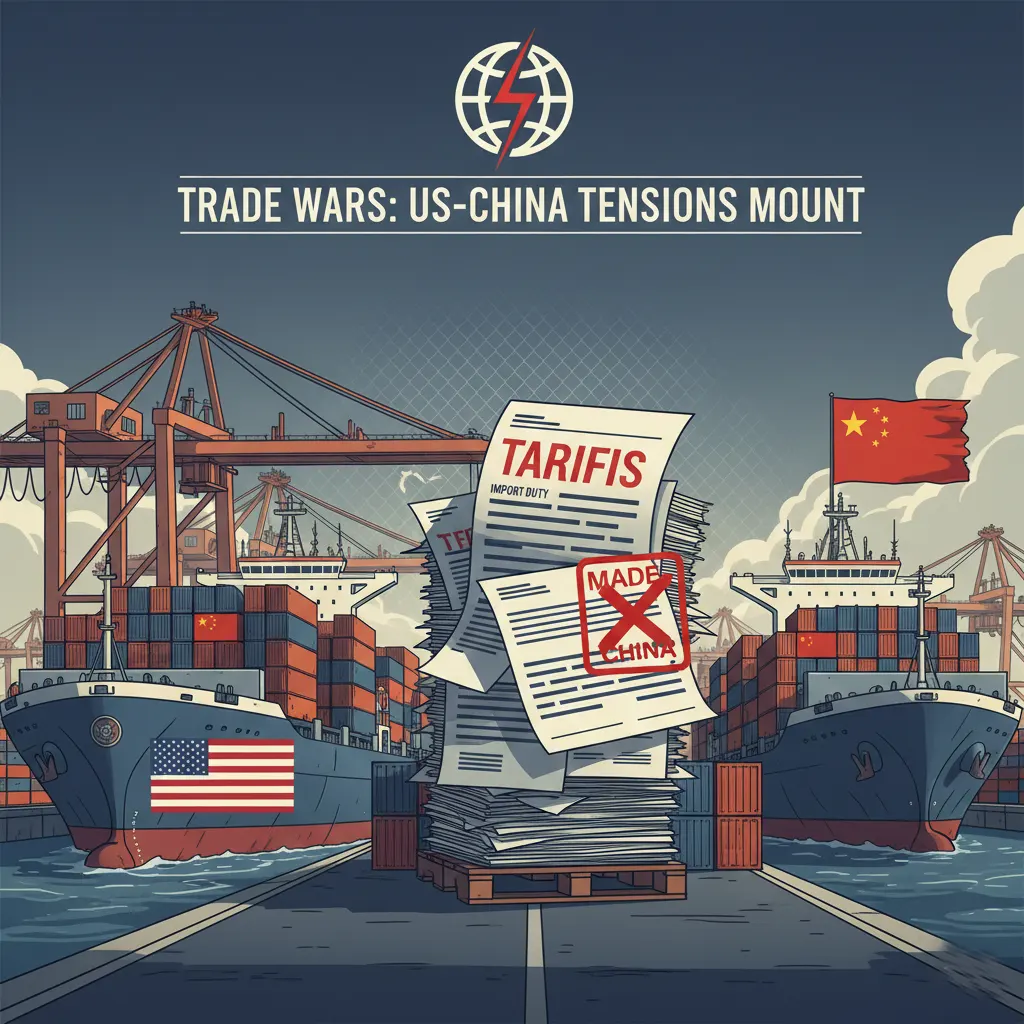
The latest tariffs target a wide range of Made in China goods. In particular, electronics and components face higher import duties.
According to CNBC trade analysts, these measures are designed to protect domestic manufacturing. However, consumers often bear the cost.
While tariffs are paid by importers, companies rarely absorb them fully. Instead, prices rise at checkout.
Why iPhones Are Especially Vulnerable
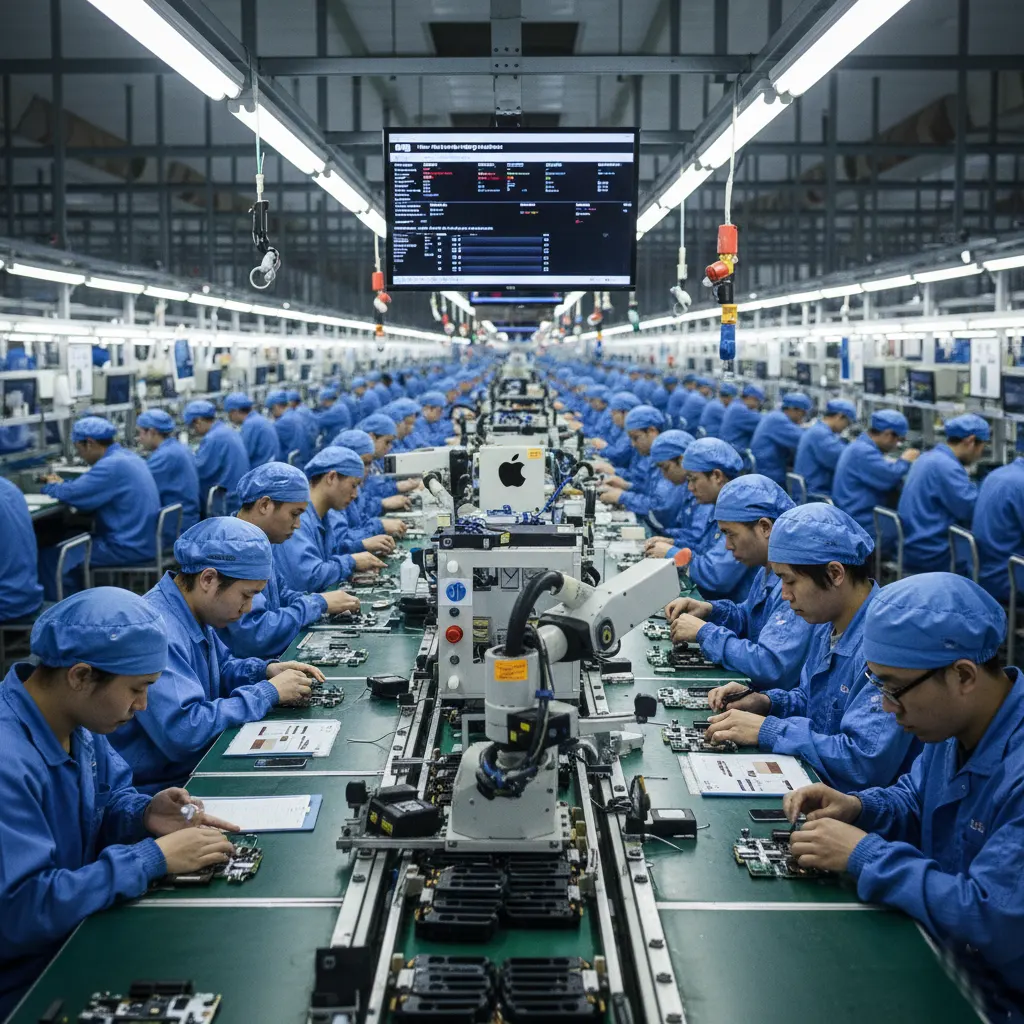
Apple assembles most iPhones in China. Therefore, the devices fall directly into the tariff crosshairs.
Although Apple has expanded manufacturing in India and Vietnam, supply chains remain heavily China-dependent. As a result, rapid shifts are difficult.
According to The Wall Street Journal, even modest tariff increases can add $150 to $200 per device.
Which Other Electronics Could Get More Expensive?
The impact goes far beyond smartphones. In fact, several everyday tech products may see noticeable price hikes.
- Laptops and tablets
- Gaming consoles and accessories
- Smart TVs and home audio systems
- Wearables and smart home devices
Additionally, replacement parts and accessories could rise in price. This makes repairs more expensive as well.
Can Companies Avoid Passing Costs to Consumers?
Some brands may attempt short-term price freezes. However, sustained tariffs limit that strategy.
Larger companies have more pricing power. Meanwhile, smaller electronics brands may struggle to compete.
As noted by Bloomberg, tariffs often accelerate inflation in tech-heavy categories.
What This Means for U.S. Consumers
Shoppers may want to buy electronics sooner rather than later. In contrast, waiting could mean higher prices.
Trade policy changes also create uncertainty. Therefore, retailers may adjust pricing quickly.
Ultimately, tariffs act like a hidden tax. While policy goals vary, consumers feel the impact first.
The so-called “Tariff Tsunami” is no longer theoretical. It is already reshaping electronics pricing.
If current policies remain in place, higher iPhone prices may become the new normal. Consequently, budget-conscious consumers may need to rethink upgrade plans.
#iPhone #TechEconomy #Tariffs #ConsumerNews