

 By Vinod Ram
Rising credit card balances and record-high interest rates have pushed household debt into the spotlight. Now, a proposal to cap credit card interest rates has reopened a long-running debate: Will this finally help consumers—or simply make credit harder to get?
Supporters call it overdue debt relief. Critics warn of unintended consequences. Here’s what the proposal actually means, explained in plain terms.
What Is the Credit Card Interest Rate Cap?
The proposal would limit how much interest credit card issuers can charge on outstanding balances. While details vary, most versions set a maximum annual percentage rate (APR) well below today’s averages.
According to data from the Consumer Financial Protection Bureau, many credit cards now carry APRs above 20 percent. Some exceed 30 percent.
The goal of the cap is simple: reduce the cost of carrying debt for millions of Americans.
The Case FOR an Interest Rate Cap
✔ Lower Monthly Interest Costs
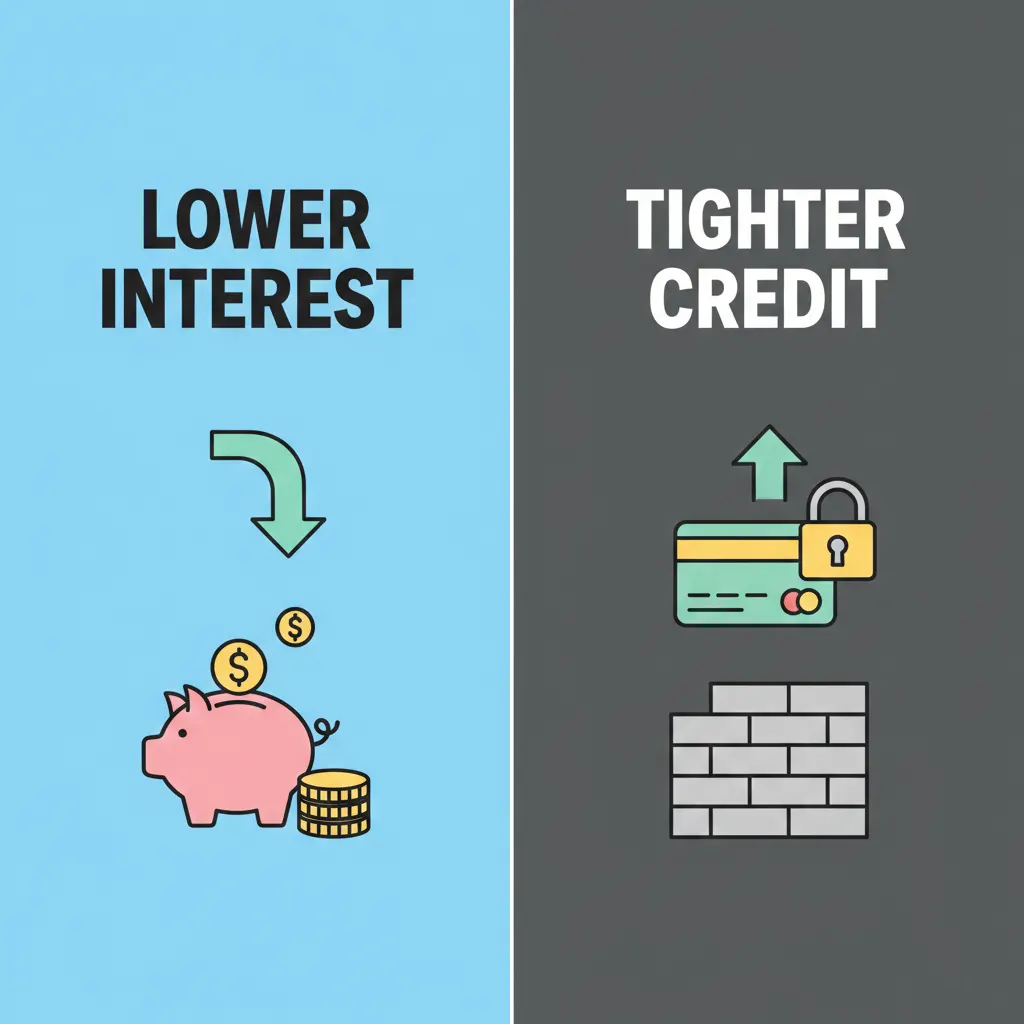
A cap would immediately reduce interest charges for borrowers who carry balances. That could free up cash for essentials like rent, groceries, or savings.
✔ Slower Debt Growth
High interest rates cause balances to grow faster than people can pay them down. A lower cap could help borrowers make real progress instead of treading water.
✔ Protection for Vulnerable Consumers
Advocates argue that caps protect consumers with lower incomes or damaged credit. Groups cited by Center for American Progress say current rates trap many households in long-term debt cycles.
The Case AGAINST an Interest Rate Cap
✖ Harder Access to Credit
Banks price interest rates based on risk. If they cannot charge higher rates, they may stop lending to higher-risk borrowers.
That could leave some consumers with fewer options—or none at all.
✖ Fewer Rewards and Perks
Interest revenue helps fund cash-back programs, travel rewards, and zero-interest promotions. Analysts at The Wall Street Journal note that issuers could reduce these benefits to offset lost revenue.
✖ Rise of Alternative, Costlier Lending
If traditional credit tightens, borrowers may turn to payday loans or unregulated alternatives. Those options often come with even higher effective costs.
Will Banks Change Approval Standards?
History suggests they might. When profit margins shrink, lenders typically respond by tightening approval rules.
That means:
- Higher minimum credit scores
- Lower credit limits
- Stricter income verification
Research cited by the Federal Reserve shows that credit supply often contracts when pricing flexibility disappears.

What This Means for the Average Consumer
If you already have credit cards and carry a balance, a cap could help. Your interest costs may drop. Paying down debt could become easier.
If you rely on credit to manage cash flow, the picture is more complicated. Access may shrink, especially for borrowers with thin or damaged credit histories.
Financial planners writing for NerdWallet stress that policy changes rarely produce winners without trade-offs.
Is Debt Relief Finally Here?
An interest rate cap could provide relief—but not without side effects. It treats the symptom of high-interest debt. It does not address why so many households rely on credit in the first place.
The real impact will depend on:
- The level of the cap
- How banks adjust lending rules
- Whether alternative protections follow
The proposal reflects growing concern over household debt. It offers hope to borrowers struggling with high interest costs.
At the same time, it raises real questions about access, fairness, and unintended consequences.
For consumers, the smartest move remains the same: borrow cautiously, pay down balances when possible, and understand how policy changes affect your credit options.
#CreditCardReform #DebtRelief #PersonalFinanceTips #MoneyMatters #FinancialEducation