

 By Vinod Ram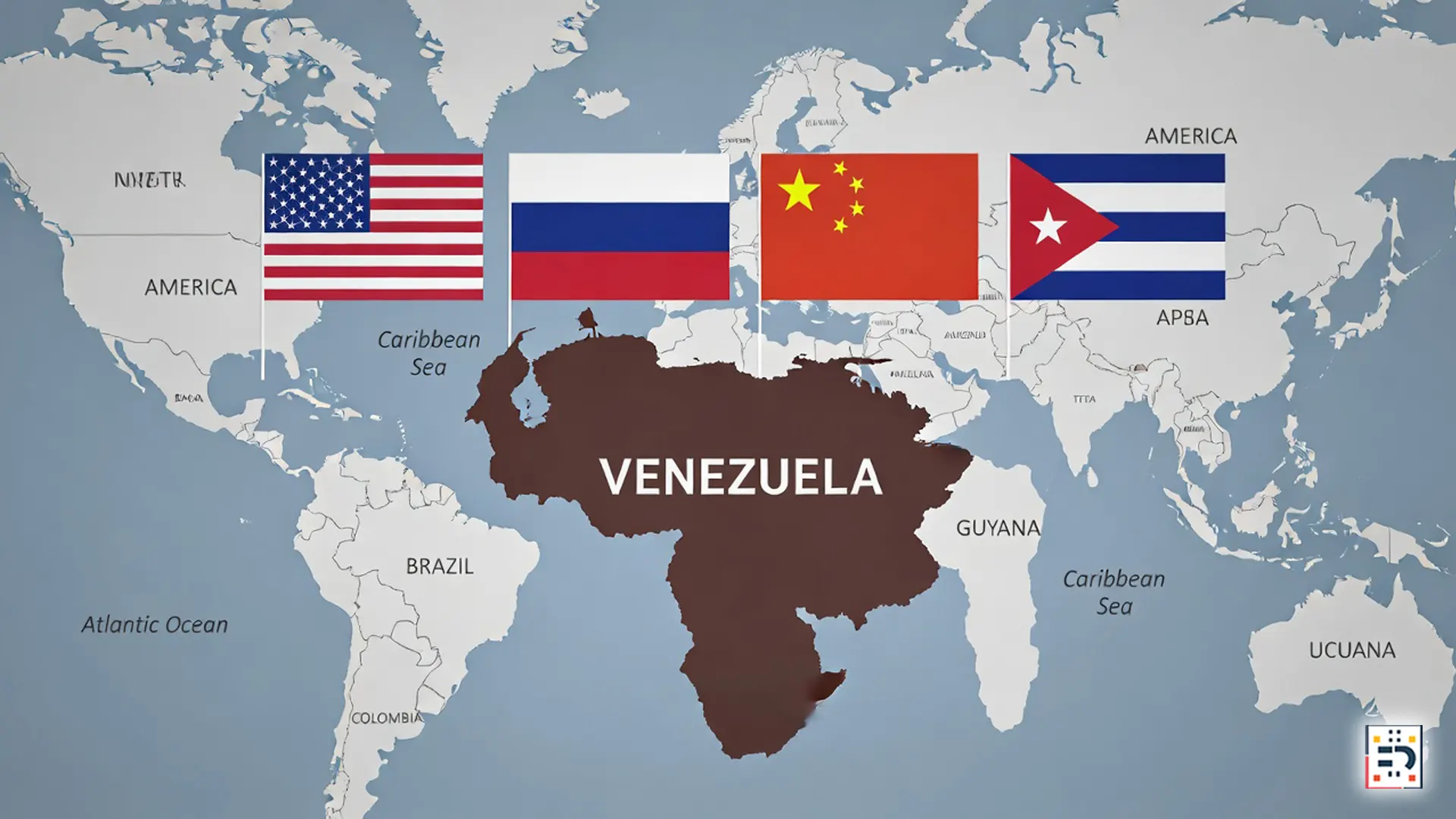
The arrest of Venezuelan President Nicolás Maduro has sent shockwaves far beyond Caracas. What began as a dramatic political turning point inside Venezuela is now reshaping power dynamics across Latin America — reviving comparisons to a “New Cold War” between global powers.
For years, Venezuela served as a strategic foothold for Russia, China, and Cuba in the Western Hemisphere. Maduro’s sudden removal threatens that influence and forces U.S. rivals to reassess their geopolitical strategies in the region.
Why Venezuela Matters to Global Powers
Venezuela is not just another Latin American state. It holds the largest proven oil reserves in the world and occupies a critical geopolitical position near the United States.
Under Maduro, Venezuela became a reliable partner for nations seeking to counter U.S. dominance. According to Reuters’ Americas coverage, Caracas offered:
- Energy access and debt leverage
- Military and intelligence cooperation
- Diplomatic alignment in global forums
Maduro’s arrest disrupts all three pillars at once.
Russia: Losing a Strategic Ally
For Russia, Venezuela functioned as a rare geopolitical ally in the U.S. sphere of influence. Moscow provided military hardware, intelligence support, and diplomatic backing in exchange for energy cooperation and symbolic reach.
As outlined by analysis from the Council on Foreign Relations, Russia’s influence in Latin America has always been concentrated in a few key relationships — Venezuela being the most important.
Maduro’s arrest weakens:
- Russia’s military presence in the Caribbean
- Energy and oil-backed financial arrangements
- Moscow’s narrative of challenging U.S. dominance close to home
Without a friendly government in Caracas, Russia’s regional leverage is significantly reduced.
China: Investments at Risk, Strategy Under Review
China has taken a more pragmatic approach to Venezuela, focusing on long-term investments rather than ideology. Beijing extended tens of billions of dollars in loans backed by oil exports, making Venezuela a cornerstone of its Latin America energy strategy.
According to Brookings Institution research, China’s primary concern is stability — not necessarily who governs.
Maduro’s arrest raises questions about:
- Debt repayment and contract continuity
- Future access to Venezuelan oil exports
- China’s broader Belt and Road ambitions in the region
Beijing is likely to pursue quiet diplomacy, seeking assurances from any successor government while avoiding direct confrontation with Washington.
Cuba: The Most Exposed Ally
No country is more vulnerable to Maduro’s downfall than Cuba. For years, Venezuela supplied heavily subsidized oil in exchange for Cuban doctors, intelligence officers, and security advisors.
As detailed by Encyclopaedia Britannica, this energy lifeline has been central to Cuba’s economic survival.
Maduro’s arrest threatens:
- Cuba’s access to discounted fuel
- Its intelligence footprint in Venezuela
- Havana’s regional influence
Any reduction in Venezuelan oil shipments could intensify Cuba’s existing economic hardships.
Is This Really a “New Cold War”?
While today’s geopolitical rivalry lacks the ideological rigidity of the 20th-century Cold War, parallels are increasingly hard to ignore.
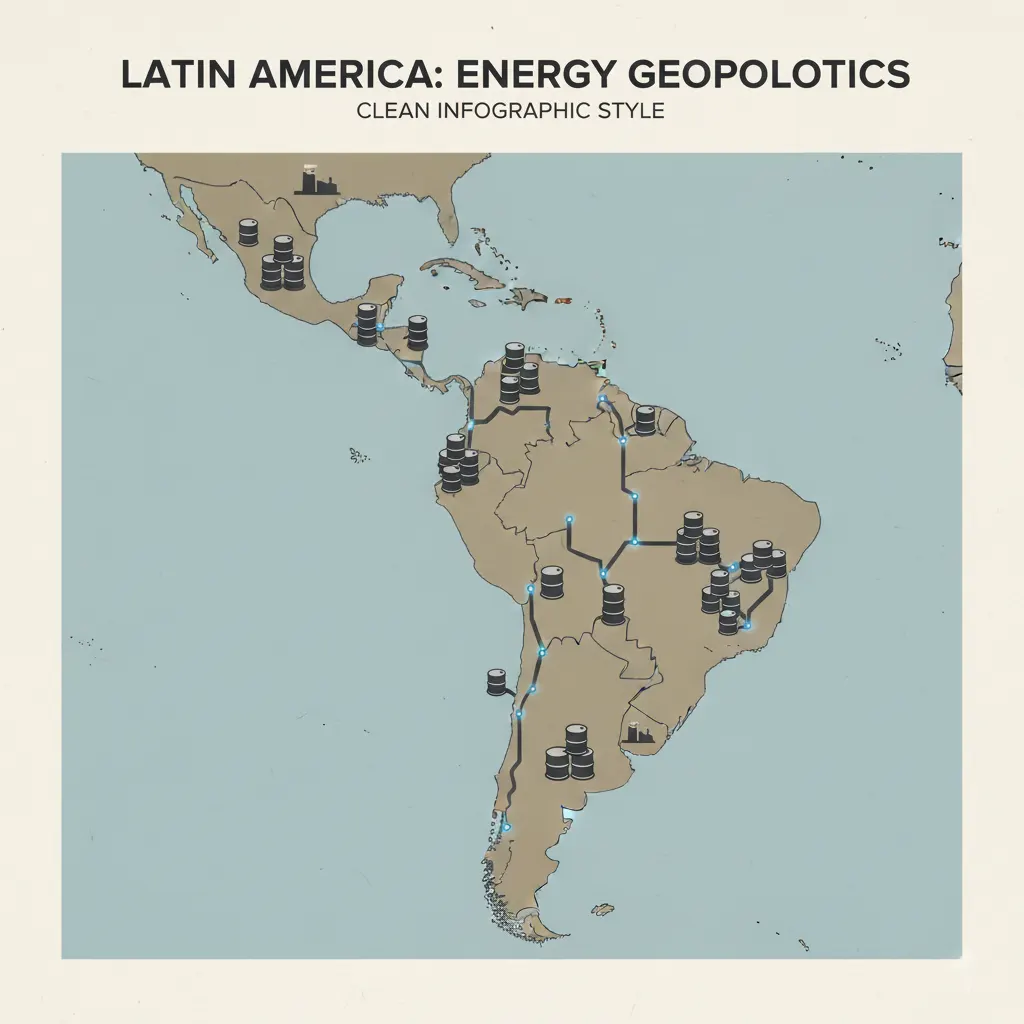
According to geopolitical analysts cited by Foreign Affairs, modern competition is defined by:
- Energy and resource control
- Infrastructure and debt diplomacy
- Information and influence campaigns
Maduro’s arrest represents a symbolic victory for U.S. influence — and a setback for rival powers seeking to challenge it in Latin America.
What Comes Next for Latin America?
The broader region is watching closely. Countries with close ties to China and Russia are recalculating their positions, while others see an opportunity to reset relations with Washington.
Possible outcomes include:
- A gradual reassertion of U.S. influence
- More cautious Chinese investment strategies
- Reduced Russian and Cuban regional reach
Much will depend on who ultimately governs Venezuela and how quickly stability can be restored.
Maduro’s arrest is not just a Venezuelan political crisis — it’s a geopolitical inflection point. It weakens Russia’s strategic posture, forces China to protect its investments, and places Cuba in a precarious position.
Whether this moment marks the beginning of a true “New Cold War” or a temporary power shift, one thing is clear: Latin America has once again become a central arena in global competition.
#NewColdWar #MaduroArrest #LatinAmerica #Geopolitics #WorldPolitics #GlobalAffairs #USForeignPolicy