

 By Vinod Ram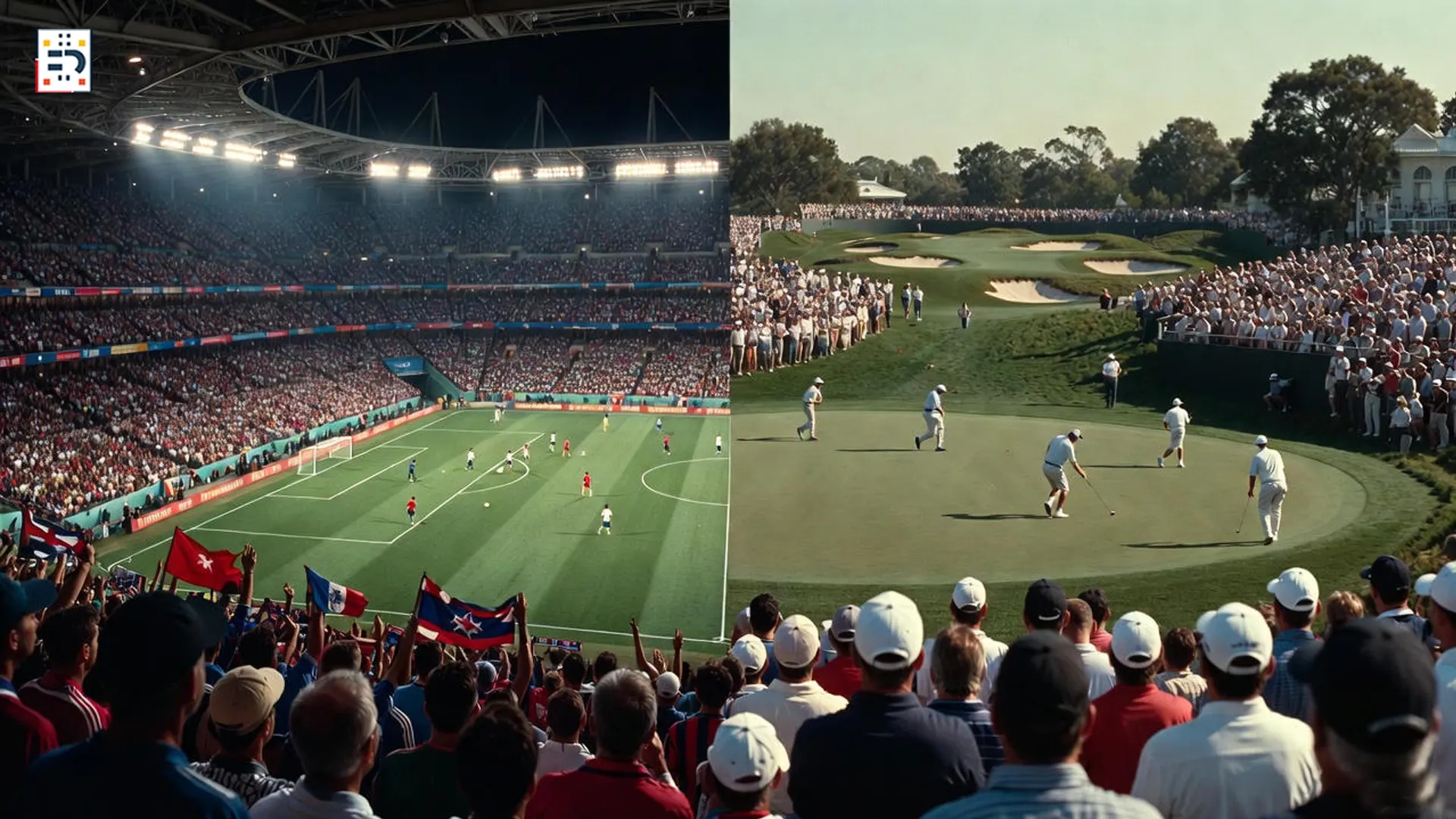
2026 is shaping up to be one of the most consequential years in US sports history. With the FIFA World Cup returning to North America and the Ryder Cup landing on American soil, the United States will become the global epicenter of sports, tourism, media, and commercial activity.
This outlook explores what fans, cities, brands, and broadcasters can expect as two of the world’s biggest sporting events converge in a single year.
The 2026 FIFA World Cup: A Global Spectacle Returns to the US
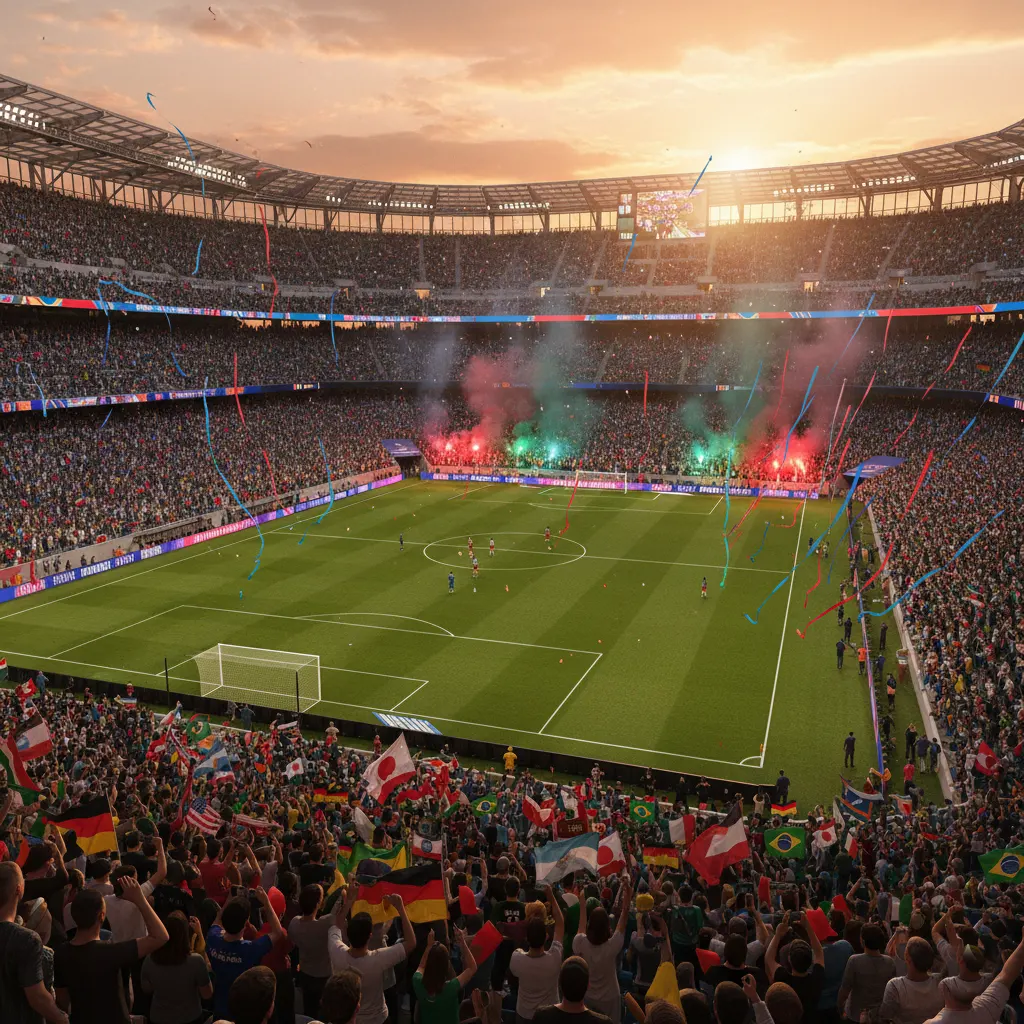
The 2026 FIFA World Cup will be the largest in tournament history, expanding to 48 teams and hosted across the United States, Canada, and Mexico.
According to details published by FIFA, the US will host the majority of matches, including games in major cities such as New York, Los Angeles, Dallas, and Miami.
Key expectations for World Cup 2026 include:
- Record-breaking international attendance
- Unprecedented global TV and streaming viewership
- Massive tourism inflows to host cities
- Increased visibility for US soccer
Coverage from The New York Times Soccer Section suggests the tournament could permanently elevate soccer’s status in the American sports landscape.
The Ryder Cup: Golf’s Most Intense Rivalry Comes to America
While the World Cup dominates global attention, the 2026 Ryder Cup will deliver one of the most emotionally charged events in professional golf.
The biennial competition between Team USA and Team Europe is known for its atmosphere, nationalism, and commercial power.
As outlined by Ryder Cup Europe and reported by Golf Digest, the US-hosted Ryder Cup typically generates:
- High-value sponsorship activations
- Sold-out crowds and premium ticket pricing
- Strong television ratings in Tier-1 markets
For American golf, the Ryder Cup remains one of the few events that consistently reaches beyond core fans into mainstream sports culture.
Economic Impact: Tourism, Infrastructure, and Revenue
The combined economic impact of the 2026 World Cup and Ryder Cup is expected to reach tens of billions of dollars.
Analysis from Forbes SportsMoney highlights how mega-events drive:
- Hotel and short-term rental demand
- Transportation and infrastructure investment
- Job creation across hospitality and services
- Long-term city branding benefits
Host cities are already accelerating upgrades to stadiums, transit systems, and fan zones to accommodate global audiences.
Media, Streaming, and the Global Spotlight
2026 will also test the future of sports broadcasting.
With the World Cup drawing billions of viewers worldwide and the Ryder Cup delivering premium live content, networks and platforms are preparing for intense competition.
According to insights from The Wall Street Journal Media Section, key trends include:
- Expanded streaming coverage and alternate feeds
- Global advertising packages targeting Tier-1 markets
- Increased use of real-time data and interactive features
For broadcasters, 2026 represents both massive opportunity and operational complexity.

Why 2026 Is a Defining Moment for US Sports
The significance of 2026 goes beyond individual events.
Industry analysts at Statista Sports Insights point out that hosting multiple global events in a single year:
- Strengthens the US position in global sports business
- Accelerates fan crossover between sports
- Attracts international sponsors and investors
For American fans, it means a year of nonstop, world-class competition at home.
What Fans and Brands Should Expect
For fans, 2026 promises once-in-a-generation experiences.
For brands and advertisers, it offers unmatched reach across soccer, golf, travel, finance, and lifestyle sectors.
Those who plan early — from ticketing and travel to sponsorship and content strategy — stand to benefit most from the surge in attention.
The 2026 World Cup and Ryder Cup will make the United States the center of the global sports universe. From packed stadiums to record-breaking broadcasts, the year will leave a lasting mark on how sports are consumed, commercialized, and celebrated in America.
Few years in sports history offer this level of convergence — and 2026 is set to deliver it in full.
#WorldCup2026 #RyderCup #USSports #GlobalSports #SportsTourism #SportsEconomy