

 By Vinod Ram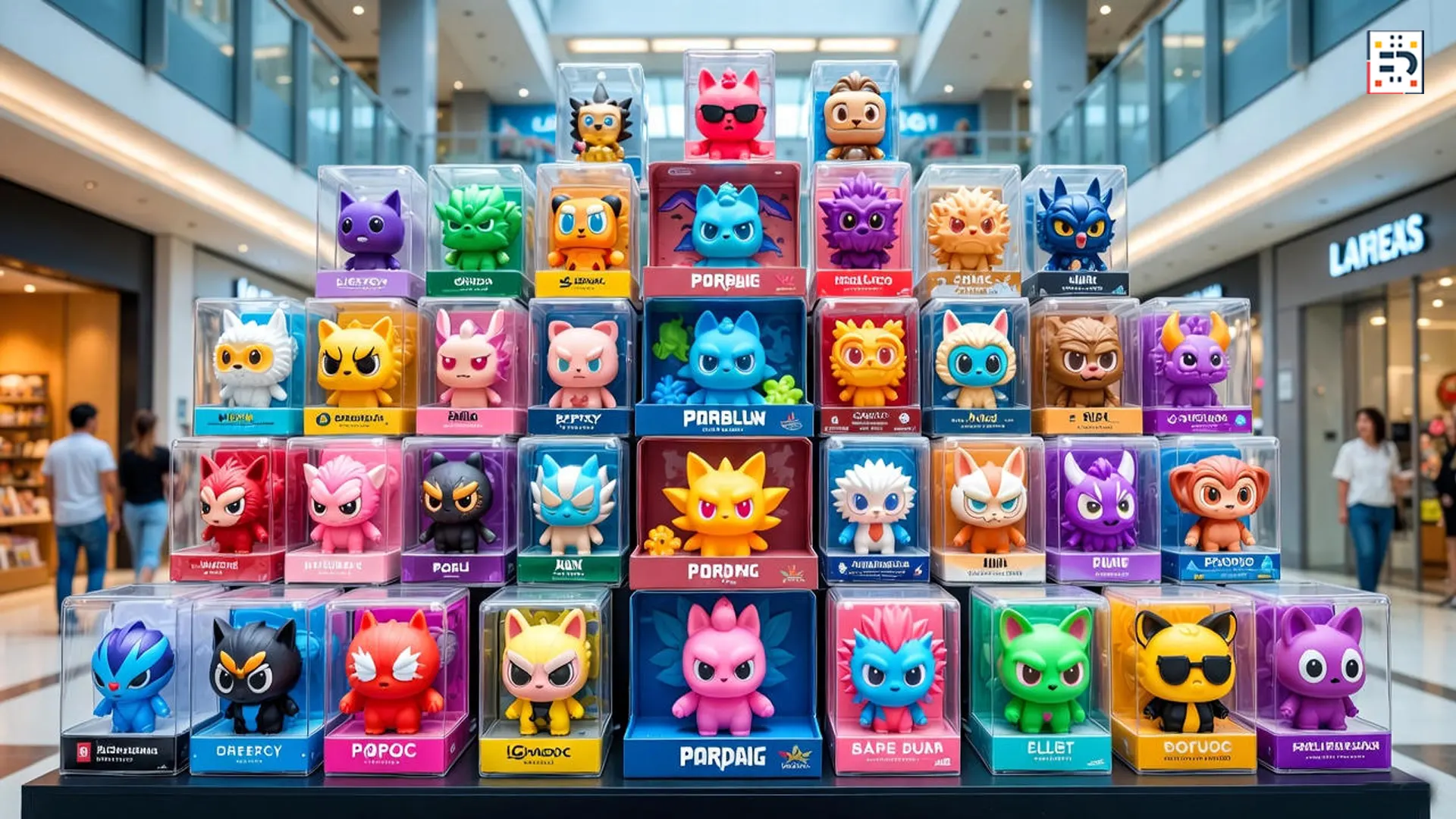
From shopping malls to TikTok feeds, blind box toys have quietly become one of the fastest-growing consumer trends in the United States. What began as a niche collectible culture in East Asia is now reshaping American retail, fandom, and buying behavior — led by brands like Mofusand and Pop Mart.
This article breaks down why blind boxes are exploding in popularity, how these brands cracked the US market, and why surprise-based collectibles are proving so powerful in today’s attention economy.
What Is a Blind Box — and Why Does It Work?
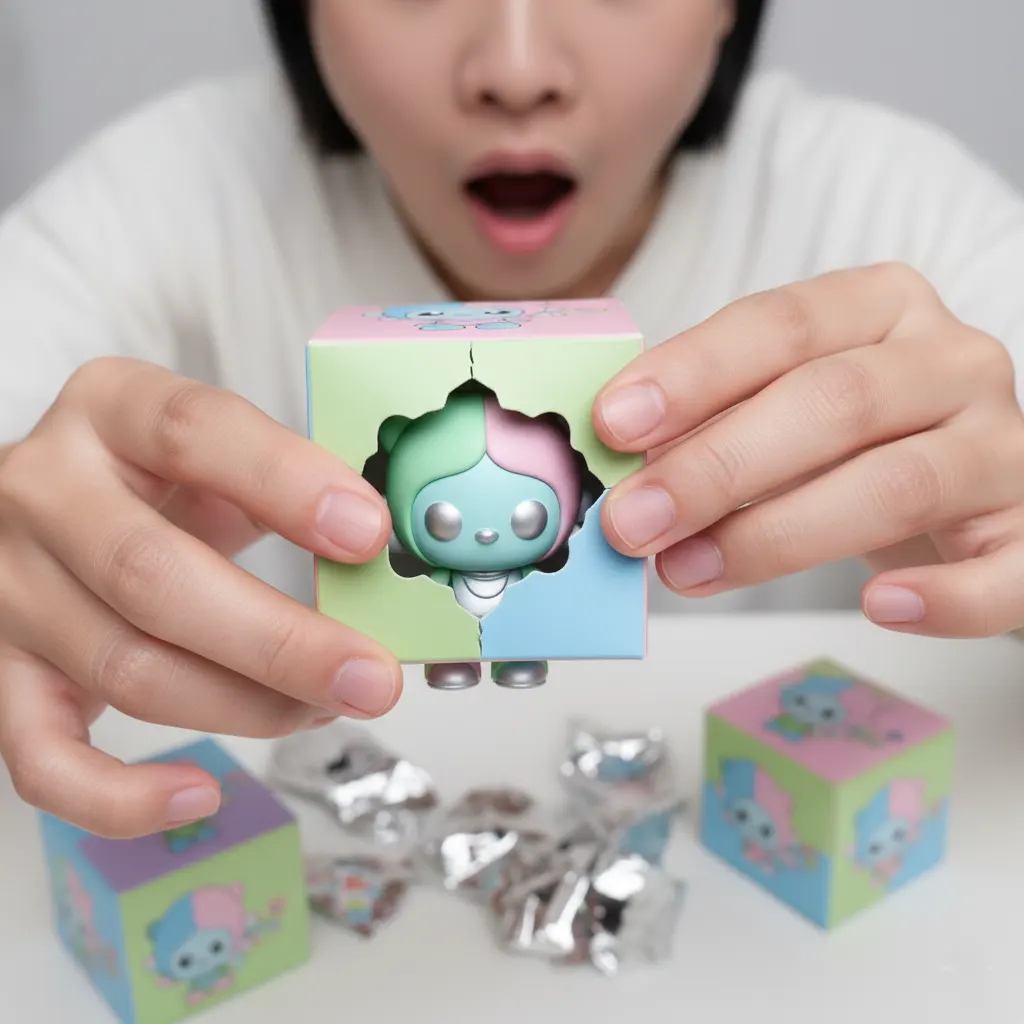
A blind box is a sealed package that conceals its contents until after purchase. Buyers know the theme or series — but not the exact item inside. This uncertainty is the product.
According to consumer behavior research cited by Psychology Today, blind boxes tap into the brain’s dopamine system, creating anticipation similar to gaming loot boxes or lottery tickets.
The appeal is driven by:
- Surprise and unpredictability
- Scarcity and limited editions
- Completion and collection instincts
- Strong visual and emotional branding
In short, blind boxes turn shopping into an experience — not just a transaction.
Mofusand: Cute Chaos Meets Collectible Culture
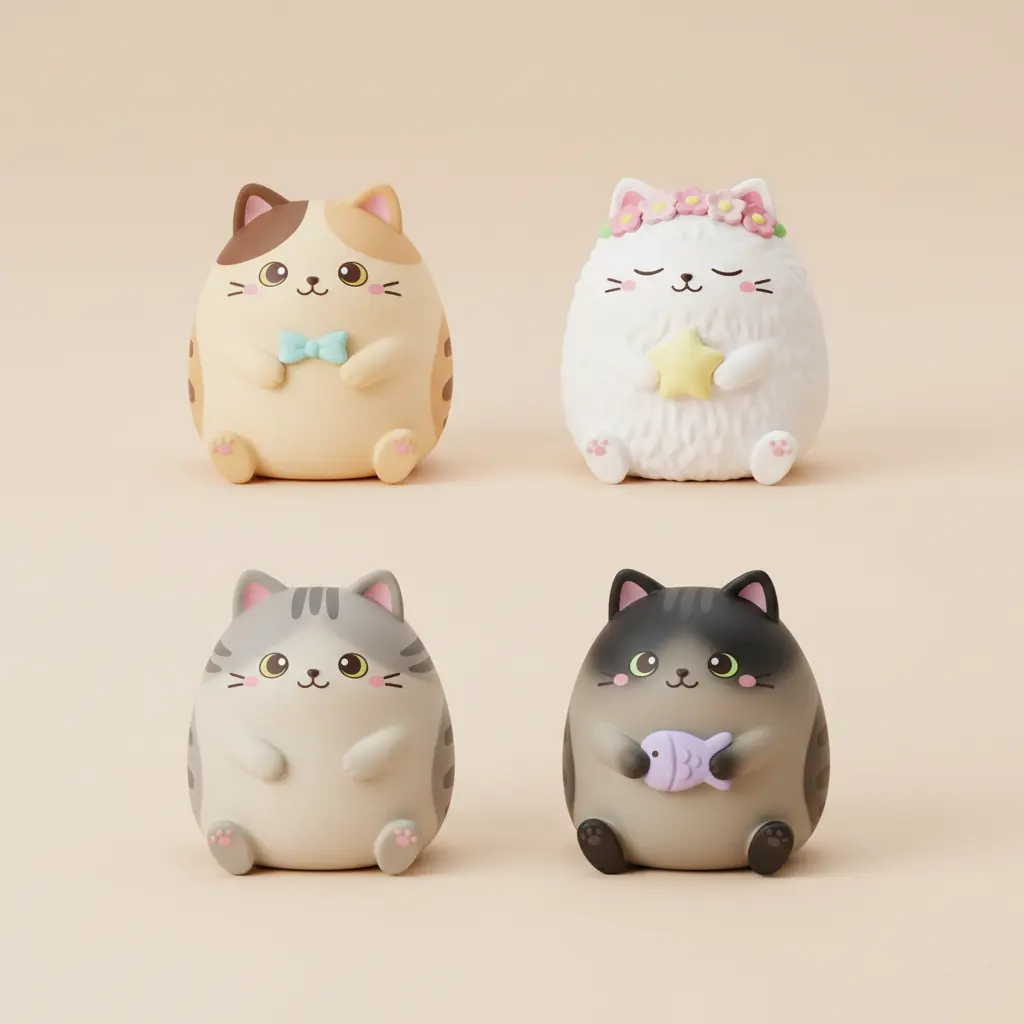
Mofusand, a Japanese character brand featuring adorably chubby cats in absurd situations, has become a breakout hit among US consumers — especially Gen Z and millennials.
Originally popularized through social media and merchandise collaborations, Mofusand collectibles spread rapidly through:
- Blind box figurines
- Stationery and lifestyle goods
- Viral unboxing videos on TikTok and YouTube
Coverage from The Japan Times highlights how Japanese “kawaii” aesthetics translate globally, offering comfort and escapism in stressful times.
Mofusand’s success in the US shows how character-driven IP can cross borders when paired with the blind box model.
Pop Mart’s Retail Takeover Strategy
While Mofusand thrives on character appeal, Pop Mart has mastered scale.
The China-based company operates hundreds of stores globally and has aggressively expanded across the United States — opening locations in major malls and high-footfall urban centers.
As reported by Forbes Retail, Pop Mart’s US growth strategy combines:
- Designer collaborations with artists
- Limited-edition blind box series
- Strong in-store visual merchandising
- Heavy social media marketing
Pop Mart doesn’t just sell toys — it sells collectible identity. Buyers aren’t just customers; they become fans.
Why the Blind Box Trend Is Exploding in the US
The rise of blind box toys in America isn’t accidental. Several cultural and economic factors have aligned perfectly.
1. Social Media Unboxing Culture
Platforms like TikTok and YouTube reward visually engaging, short-form content. Blind box unboxing videos generate suspense, emotion, and shareability — all algorithm-friendly traits.
According to analysis from Business Insider, unboxing content significantly boosts impulse buying among younger consumers.
2. Affordable Luxury
Blind boxes typically cost far less than traditional collectibles, making them accessible “micro-luxuries” during periods of economic uncertainty.
3. Gamified Shopping
The blind box experience mirrors gaming mechanics — randomness, rarity tiers, and completion goals — making repeat purchases more likely.
The Business Side: Why Retailers Love Blind Boxes
From a retail perspective, blind boxes are a dream product.
- High repeat purchase rates
- Low return risk
- Strong brand loyalty
- Excellent shelf and display performance
Market analysts from Statista estimate that the global designer toy market will continue double-digit growth, with the US as one of its fastest-expanding regions.
This explains why blind box displays are increasingly visible in mainstream malls — not just niche hobby stores.
Is the Blind Box Trend Here to Stay?
While some critics compare blind boxes to gambling mechanics, most analysts agree the trend still has strong momentum — especially as brands introduce transparency, digital tracking, and loyalty programs.
As long as brands like Pop Mart and Mofusand continue to innovate, blind boxes are likely to remain a core pillar of modern collectible culture.
The blind box phenomenon reflects a deeper shift in consumer behavior. In an age of endless choice, people crave surprise, emotional connection, and shareable experiences.
Mofusand and Pop Mart didn’t just sell toys — they sold anticipation. And in today’s attention economy, that may be the most valuable product of all.
#BlindBox #DesignerToys #PopMart #Mofusand #Collectibles #ToyTrends #RetailTrends