

 By Vinod Ram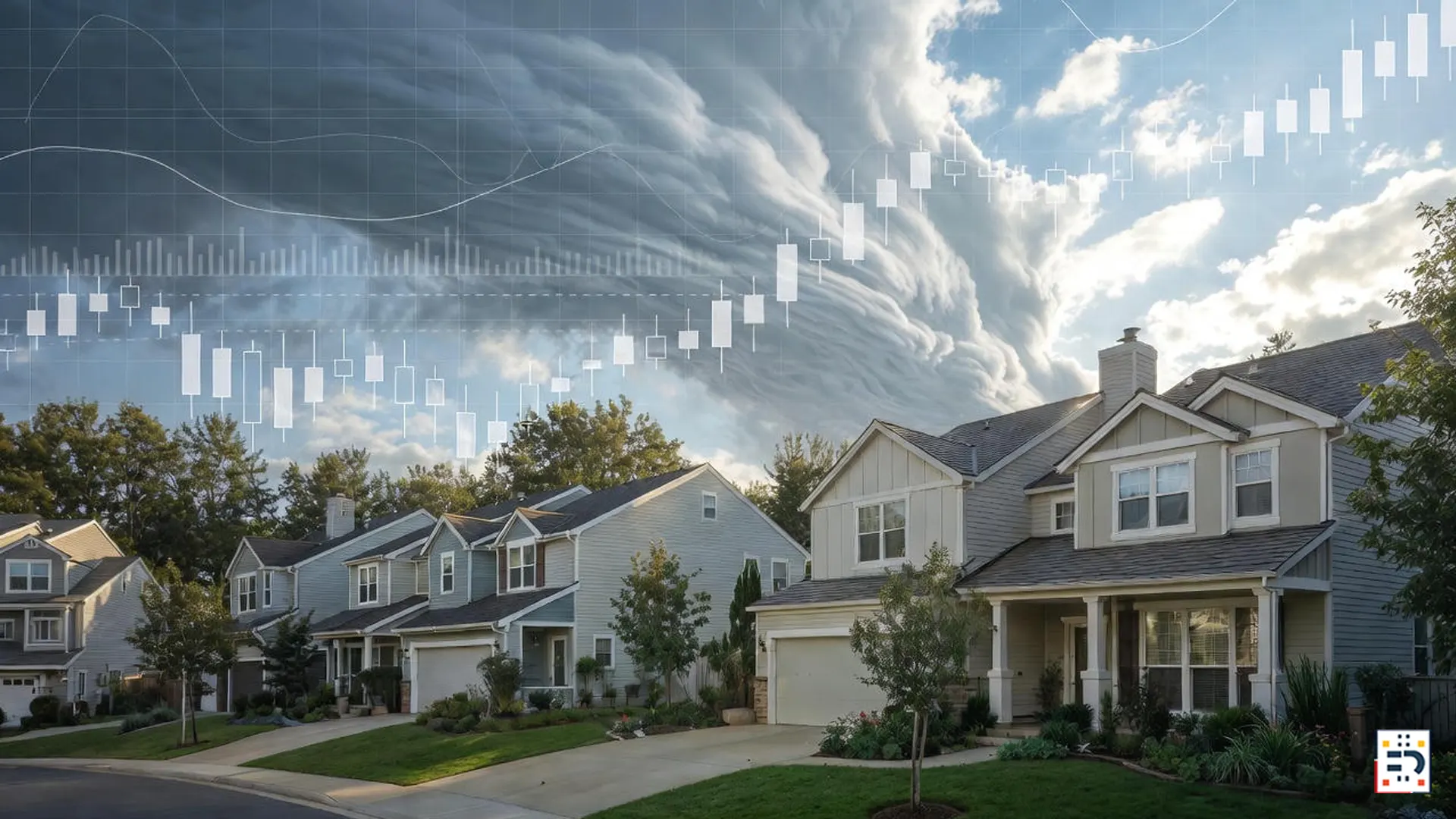
As the U.S. economy looks toward 2026, few questions loom larger than the future of the housing market. After years of elevated mortgage rates, tight inventory, and affordability strain, policymakers and buyers alike are watching two potential catalysts closely: proposed “OBBBA” policy measures and anticipated Federal Reserve rate cuts.
Together, these forces could determine whether housing stabilizes, rebounds, or continues to struggle in a high-cost environment.
Why the 2026 Housing Market Matters
Housing sits at the center of the U.S. economy, influencing consumer spending, household wealth, and financial stability. According to data from the U.S. Census Bureau, homeownership costs have risen far faster than wages over the past several years.
By 2026, economists expect pent-up demand from sidelined buyers to collide with policy shifts and changing interest-rate dynamics.
What Is “OBBBA” and Why It Matters
“OBBBA” — a shorthand used by analysts for a package of proposed budget, banking, and affordability reforms — is designed to address structural pressures in the housing market. While details remain fluid, policy discussions center on:
- Incentives for new housing construction
- Expanded access to mortgage credit
- Support for first-time homebuyers
- Regulatory adjustments for lenders and developers
Think tanks cited by The Brookings Institution argue that without supply-side reform, lower rates alone may simply push prices higher rather than improve affordability.
Fed Rate Cuts: Relief or False Hope?
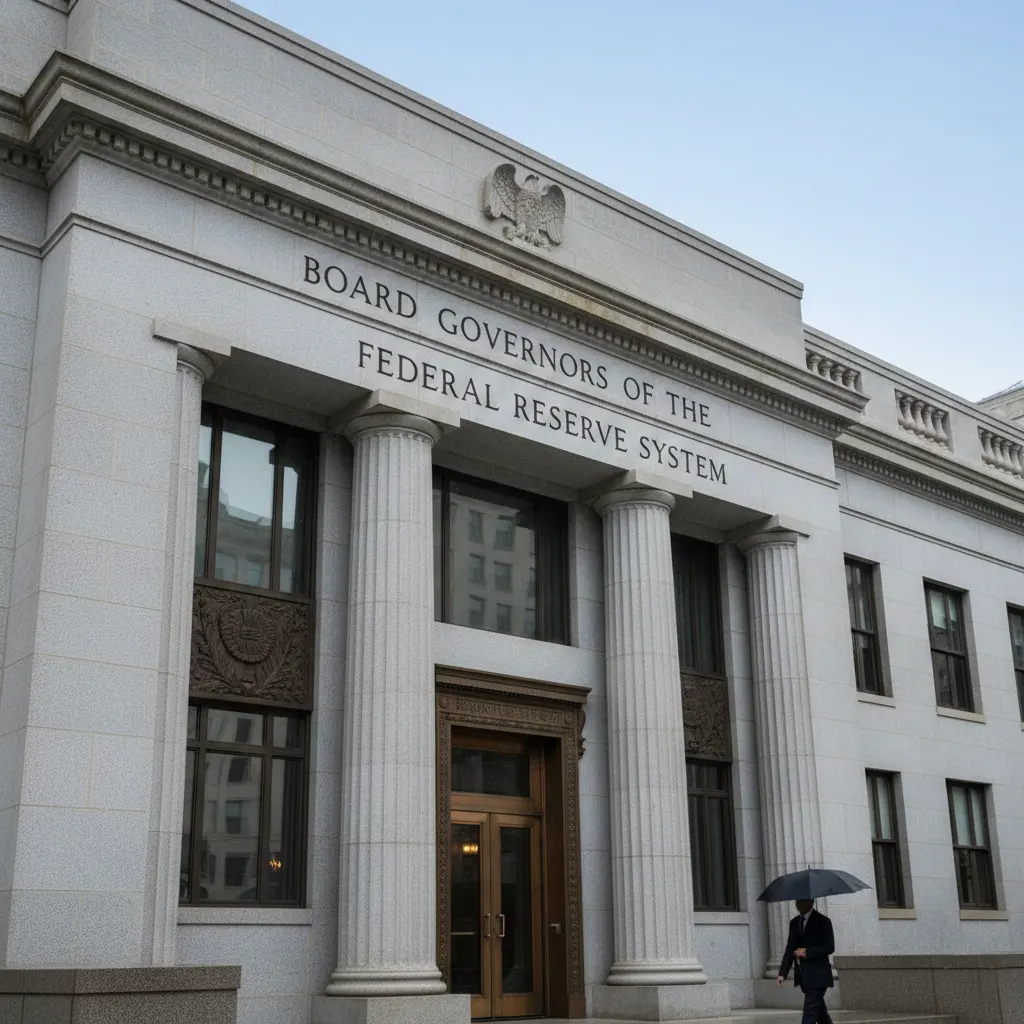
Markets widely expect the Federal Reserve to begin cutting interest rates before or during 2026 as inflation pressures ease. Lower benchmark rates typically translate into lower mortgage rates, which could bring buyers back into the market.
However, housing economists warn that rate cuts are not a cure-all. According to analysis from Forbes Real Estate, even modest demand rebounds could reignite price growth if inventory remains constrained.
The Affordability Challenge
Affordability remains the housing market’s biggest obstacle. Despite cooling prices in some regions, monthly mortgage payments remain historically high due to elevated rates and insurance, tax, and maintenance costs.
Data tracked by Federal Reserve Economic Data (FRED) shows that housing affordability indexes are still near multi-decade lows.

What Buyers, Sellers, and Investors Should Watch
Heading into 2026, key signals will shape market direction:
- Timing and pace of Fed rate cuts
- Final scope and implementation of OBBBA-related policies
- New housing starts and building permits
- Wage growth relative to home prices
For investors and homeowners, the next cycle may reward patience and regional awareness rather than broad national trends.
Possible Housing Market Scenarios for 2026
Most economists outline three broad outcomes:
- Soft Recovery: Gradual rate cuts improve affordability without overheating prices
- Stalled Market: Lower rates offset by weak supply growth and high prices
- Renewed Surge: Rate cuts ignite demand faster than new housing can be built
Which path prevails will depend on coordination between monetary policy and housing-focused reforms.
The 2026 economic forecast suggests that neither OBBBA nor Fed rate cuts alone will “save” the housing market. But together, they could create conditions for a more balanced and sustainable recovery.
For buyers, sellers, and policymakers, 2026 may not mark a return to cheap housing — but it could define the next normal for the real estate market.
#HousingMarket #EconomicForecast #FedRates #MortgageRates #RealEstateTrends #USHousing #Economy2026