

 By Vinod Ram
For decades, cable television ruled live sports. But as 2026 approaches, the balance of power is shifting fast. With major leagues signing massive digital rights deals and tech giants pouring billions into live broadcasts, the sports streaming wars are reaching a breaking point.
The question no longer seems hypothetical: is traditional cable TV finally losing its grip on live sports?
Why 2026 Is a Tipping Point for Sports Media
The year 2026 is shaping up to be pivotal due to expiring broadcast contracts, global sporting events, and changing viewer habits. The 2026 FIFA World Cup, co-hosted by the United States, Canada, and Mexico, will be the first true test of large-scale streaming infrastructure for global sports audiences.
At the same time, younger viewers are abandoning cable subscriptions in favor of on-demand platforms, a trend documented by Pew Research Center.
The Major Players in the Sports Streaming Wars
Unlike previous eras dominated by ESPN and regional sports networks, today’s market is crowded with tech-driven challengers.
- Amazon Prime Video: NFL Thursday Night Football and global expansion ambitions
- Apple TV+: Exclusive MLS Season Pass and global league partnerships
- YouTube TV: NFL Sunday Ticket and cord-cutter appeal
- ESPN+: Hybrid cable-streaming dominance
These platforms are not just competing for viewers — they’re fighting for long-term control of sports fandom.
Why Leagues Are Embracing Streaming
From the NFL to the NBA and global soccer leagues, sports organizations are prioritizing reach, data, and direct-to-consumer revenue. Streaming platforms provide:
- Global distribution without geographic restrictions
- Direct viewer data and behavioral insights
- Flexible pricing models and bundled offerings
- Younger, mobile-first audiences
According to analysts at Forbes, future media rights deals will increasingly favor hybrid or streaming-first models.
Why Cable Isn’t Dead — Yet
Despite cord-cutting trends, cable still delivers reliability and scale — especially for live sports. Major events like the Super Bowl and NBA Finals continue to draw massive linear TV audiences.
Additionally, cable bundles remain attractive to older demographics and sports bars, hotels, and commercial venues. Companies tracked by Nielsen show that live sports remain cable’s strongest retention tool.
The Cost Problem for Fans
Ironically, the streaming revolution hasn’t necessarily made sports cheaper. Fans now juggle multiple subscriptions to follow their favorite teams across leagues and platforms.
This fragmentation has sparked debate about whether the industry is recreating the same pricing issues that once drove viewers away from cable.
What the Sports Viewing Experience Looks Like in 2026
By 2026, the sports media landscape will likely be hybrid rather than binary. Expect:
- Streaming-first regular season coverage
- Major events simulcast on cable and digital platforms
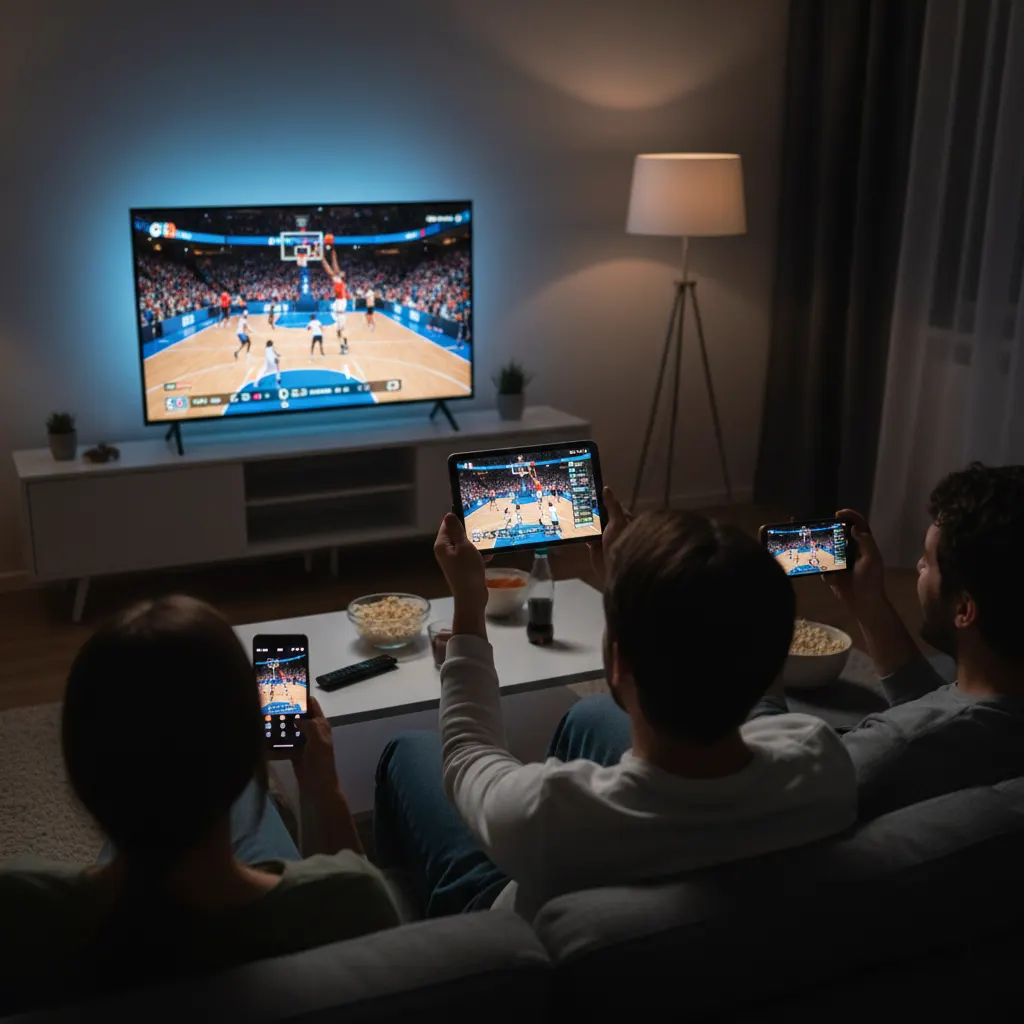
- Interactive features like alternate feeds and real-time stats
- Personalized viewing powered by AI and data analytics
Platforms are increasingly focused on turning live games into immersive digital experiences rather than passive broadcasts.
Is Cable Finally Dead?
Cable isn’t disappearing overnight — but its dominance is fading. The 2026 sports streaming wars represent a transition from centralized control to a fragmented, platform-driven ecosystem.
For fans, this means more choice but higher complexity. For leagues, it means global reach and deeper engagement. For cable networks, it’s a fight for relevance.
One thing is certain: by 2026, sports media will look nothing like it did just a decade earlier.
#SportsStreaming #CableTV #CordCutting #LiveSports #MediaIndustry #StreamingWars #SportsBusiness