

 By Vinod Ram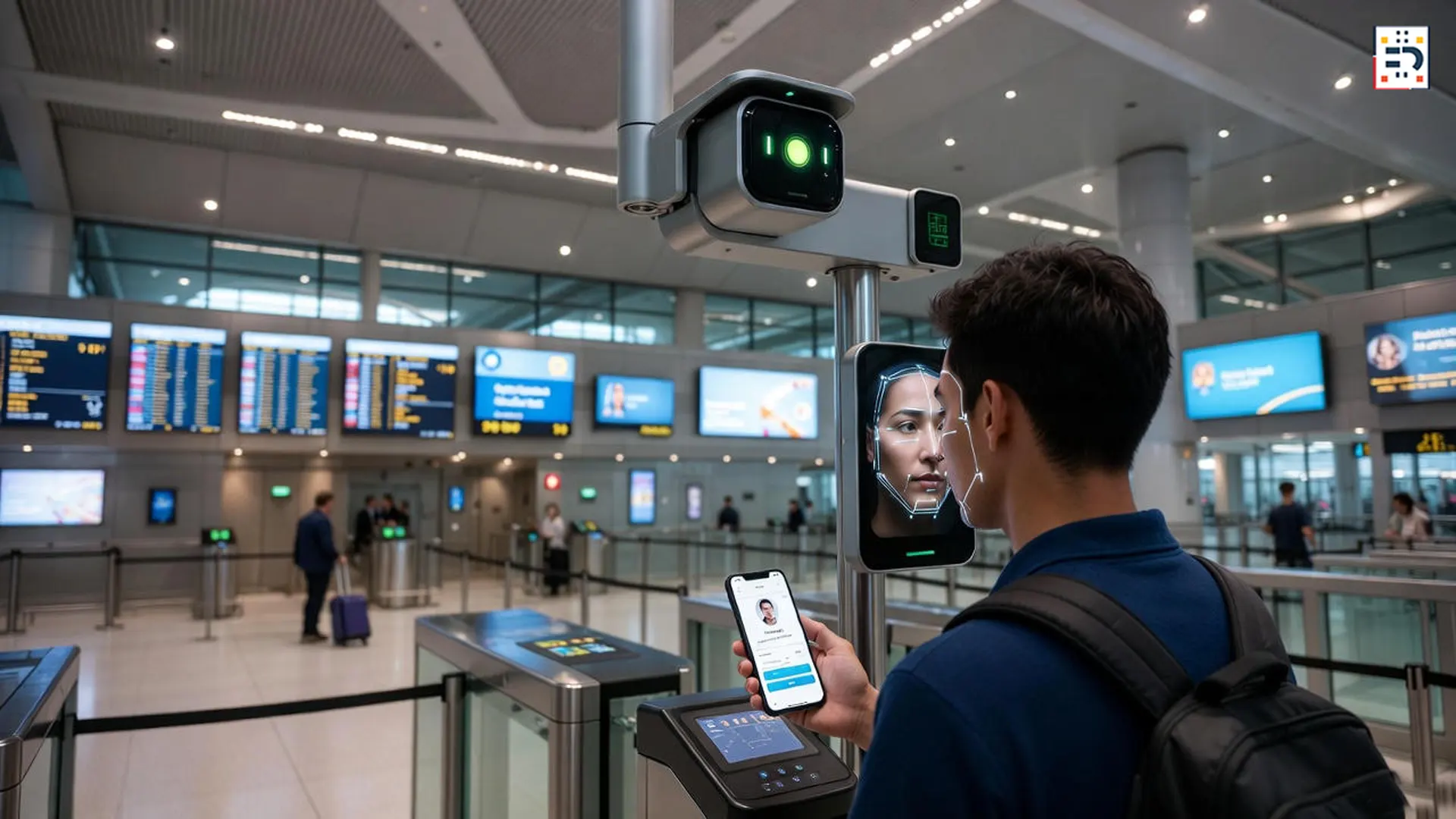
Imagine arriving at an airport with no boarding pass in hand and no passport to present — just your face and your phone. What once sounded like science fiction is quickly becoming reality as biometric boarding expands globally and Apple pushes deeper into digital identity with iOS 26.
Airlines, governments, and technology companies are converging on a future where facial recognition, mobile wallets, and encrypted digital IDs replace physical travel documents. The question is no longer if passports will change — but how far digital travel identity can realistically go.
What Is Biometric Boarding?
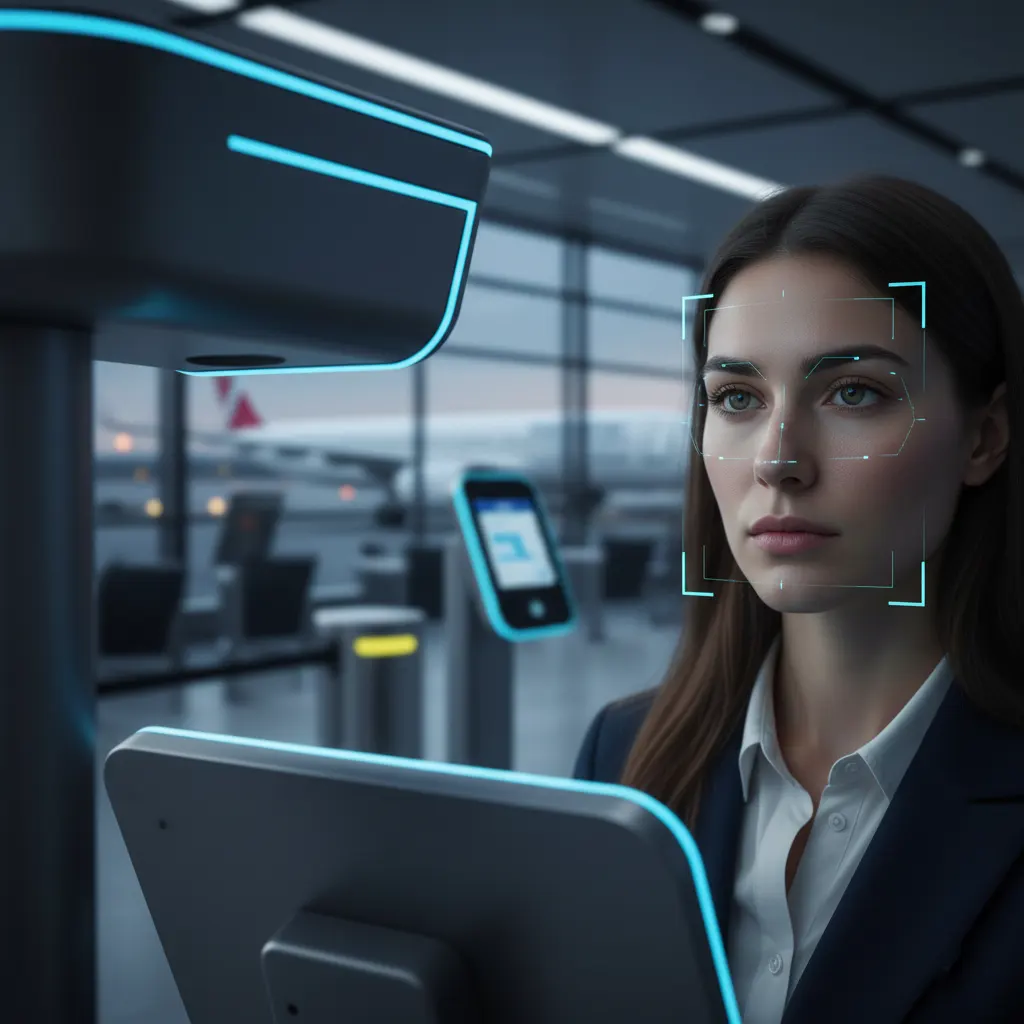
Biometric boarding allows passengers to move through airport checkpoints using facial recognition instead of paper documents. Cameras match a traveler’s face to encrypted data already on file, confirming identity in seconds.
Major airlines and airports in the U.S., Europe, and Asia have already rolled out biometric systems at:
- Check-in counters
- TSA and border control checkpoints
- Boarding gates
According to the U.S. Customs and Border Protection, biometric exit and entry programs significantly reduce wait times while improving identity verification accuracy.
How iOS 26 Changes the Equation
Apple has been quietly laying the groundwork for digital identity for years through Apple Wallet IDs. With iOS 26, digital credentials are expected to expand beyond domestic IDs into more advanced travel-use cases.
These digital IDs rely on:
- On-device encryption
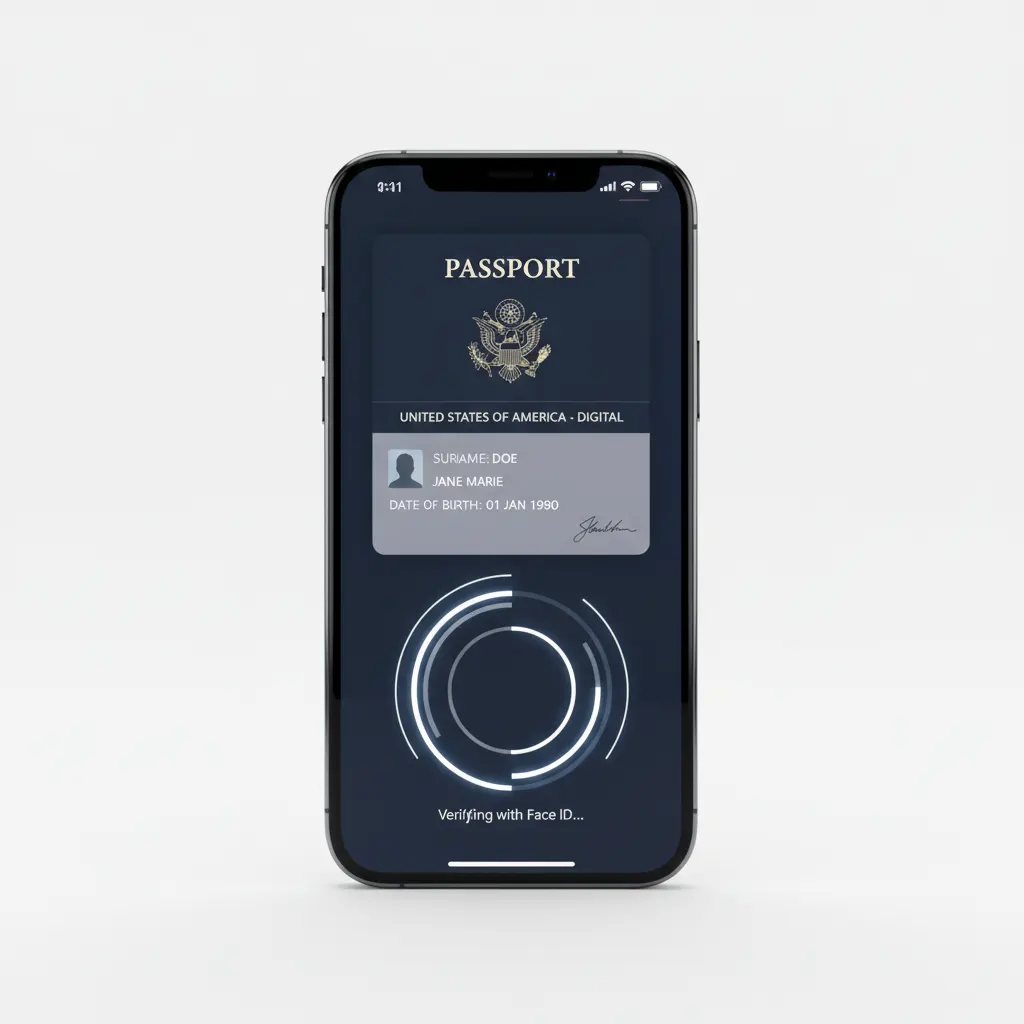
- Biometric authentication via Face ID
- Limited data sharing with authorities
Apple’s approach emphasizes user consent — travelers approve what information is shared, and only the minimum required data is transmitted.
Are Physical Passports Actually Becoming Obsolete?
Not quite — at least not yet. While biometric systems are expanding, physical passports remain the legal backbone of international travel under rules set by the International Civil Aviation Organization (ICAO).
However, passports are increasingly becoming data anchors rather than frequently used documents. Travelers may only need to present them once, with biometrics handling the rest of the journey.
The Privacy and Security Debate
The rise of biometric travel isn’t without controversy. Civil liberties groups warn that facial recognition can create risks if data is misused, breached, or retained longer than necessary.
Organizations like the Electronic Frontier Foundation argue for strict limits on data storage, transparency, and opt-out mechanisms.
Apple’s decentralized, device-first model may ease some concerns — but large-scale biometric systems still depend on government and airline infrastructure beyond Apple’s control.
Where Biometric Travel Is Already Live
Biometric boarding is no longer experimental. Airports already using facial recognition at scale include:
- Atlanta (ATL)
- London Heathrow (LHR)
- Singapore Changi (SIN)
- Dubai International (DXB)
Airlines such as Delta Air Lines and United Airlines are among the leaders in biometric boarding adoption.
What This Means for Travelers
For frequent flyers, biometric boarding promises:
- Shorter airport lines
- Reduced document handling
- Lower risk of lost passports during transit
Governments, it offers stronger identity verification. For travelers, it introduces a trade-off between convenience and data trust.
The Likely Future: Hybrid, Not Passport-Free
The most realistic outcome is a hybrid system: physical passports still exist, but most travelers rarely take them out of their bags. Facial recognition and digital IDs handle the majority of interactions.
In that sense, the physical passport may not disappear — but it will fade into the background, replaced by a quieter, faster, and more automated travel experience.
Biometric boarding and iOS 26 don’t spell the immediate end of the physical passport, but they do mark a turning point. Travel identity is becoming invisible, automated, and increasingly digital.
The real question isn’t whether passports will disappear — it’s how much control travelers will retain as the systems that recognize them become more powerful.
#BiometricBoarding #DigitalPassport #iOS26 #FutureOfTravel #TravelTech #AirportInnovation #DigitalID