

 By Vinod Ram
Georgia Power customers have been hearing about an “$8.50 promise” tied to a new data center deal. The utility says the rapid expansion of energy-hungry data centers could ultimately save residential customers money.
But what does that promise actually mean for your monthly electric bill in 2026? And is it really a discount—or a carefully framed tradeoff?
Here’s what Georgia Power’s data center strategy is, how it affects rates, and why many customers are skeptical.
What Is the Georgia Power Data Center Deal?
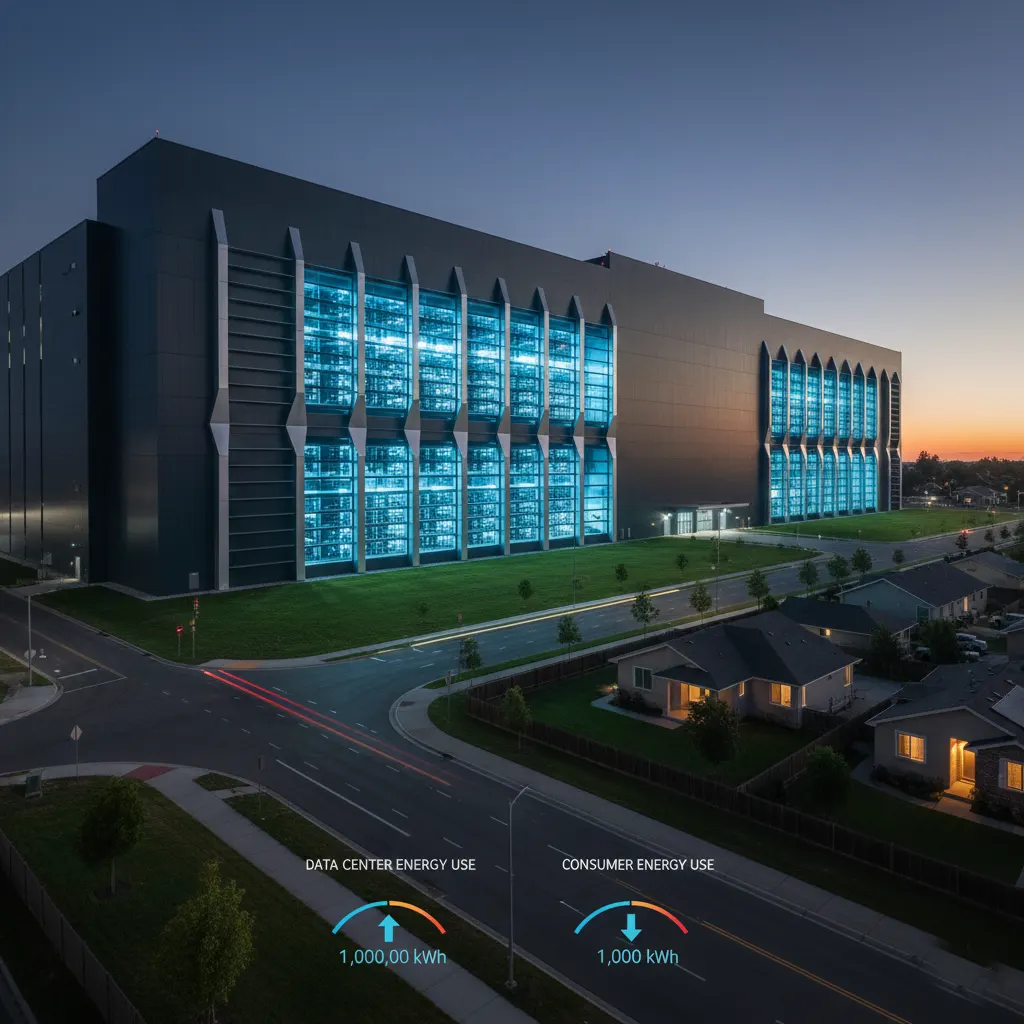
Georgia has become one of the fastest-growing hubs for large-scale data centers, driven by cloud computing, AI, and enterprise demand. Companies like hyperscalers and colocation providers require enormous, always-on electricity supplies.
Georgia Power has negotiated special rate structures with these customers, allowing data centers to connect quickly to the grid—often at customized pricing—while committing to long-term usage.
According to Georgia Power, this growth spreads fixed grid costs across more users, which is where the $8.50 monthly customer benefit comes into the conversation.
What Does the “$8.50 Promise” Actually Mean?
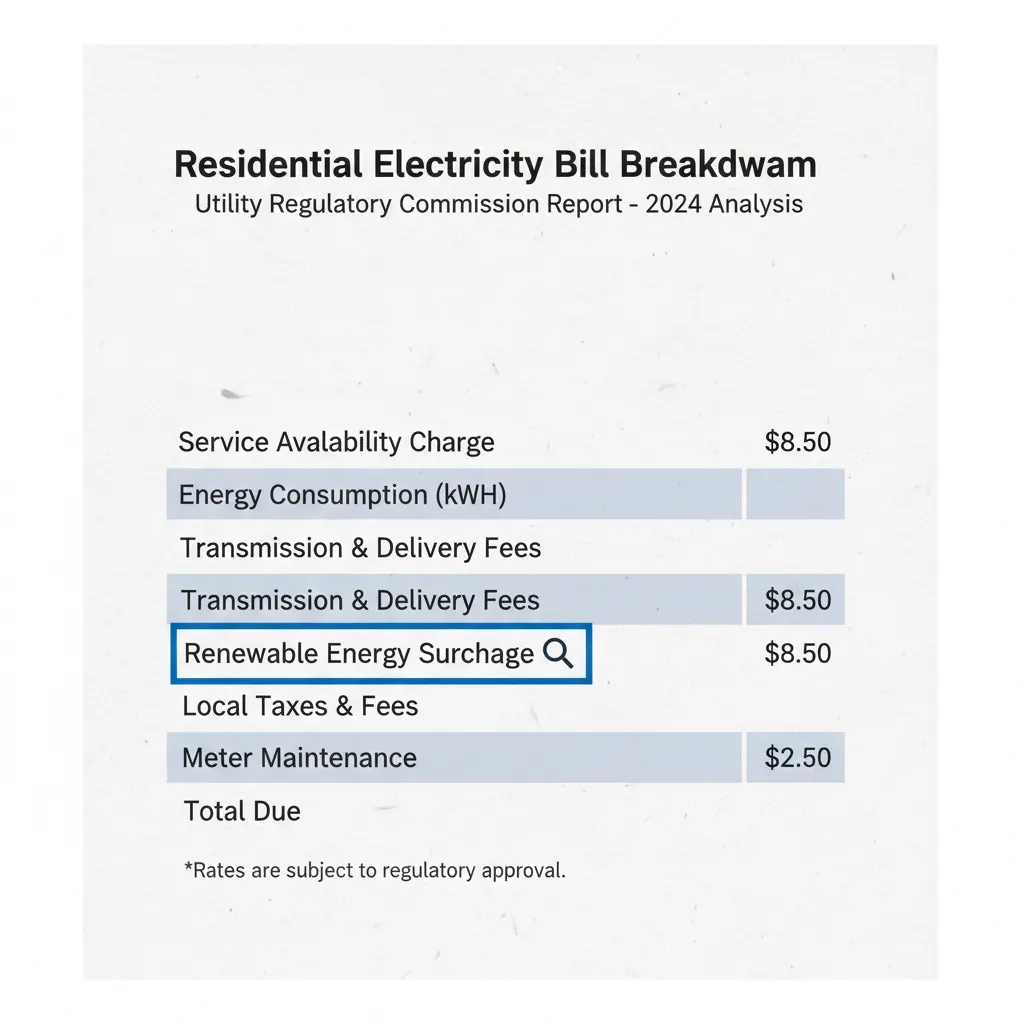
The $8.50 figure represents an estimated average monthly benefit for residential customers, based on projections presented to the Georgia Public Service Commission (PSC).
In simple terms, Georgia Power argues:
- Data centers pay large upfront infrastructure costs
- The grid expands faster because of their demand
- Fixed costs are spread across more total electricity sales
- Residential customers avoid larger rate increases
The company frames this as savings compared to a scenario without data center growth—not necessarily a direct bill reduction.
Why Your Bill May Still Go Up in 2026
This is where customer confusion—and concern—sets in. Even if the data center deal creates cost offsets, it doesn’t mean bills will fall.
1. Rising Infrastructure Costs
Georgia Power is investing billions in grid upgrades, generation capacity, and transmission. Those capital costs still flow into customer rates, regardless of who uses the power.
2. Massive Energy Demand from Data Centers
A single large data center can consume as much electricity as a small city. Critics argue that accelerated demand could eventually strain the grid, forcing even more expensive upgrades.
3. The $8.50 Is a Comparison—Not a Credit
Customers are unlikely to see a line item labeled “-$8.50” on their bill. Instead, the figure represents avoided increases, not guaranteed savings.
Who Benefits Most from the Deal?
The clearest winners are:
- Large tech companies securing fast, reliable power
- Georgia Power, through long-term guaranteed demand
- The state economy, via data center investment and jobs
Residential customers may benefit indirectly—but only if projected growth and cost assumptions hold true.
What the Georgia PSC Is Watching
Regulators at the Georgia PSC are closely examining:
- Whether data centers pay their full share of grid costs
- How risks are allocated between corporations and households
- Long-term rate impacts beyond 2026
Consumer advocates have pushed for stronger safeguards to ensure residential customers aren’t subsidizing corporate power consumption.
So… Is the $8.50 Promise Real?
Yes—but with important caveats.
The promise reflects a modeling assumption, not a guaranteed bill reduction. If data center growth continues as planned and infrastructure costs stay controlled, customers may avoid steeper increases.
If costs rise faster than expected, that $8.50 cushion could disappear quickly.
What Customers Should Do Now
Georgia Power customers should:
- Watch PSC rate cases closely in 2025 and 2026
- Understand that “savings” may mean smaller increases—not lower bills
- Pay attention to how future data center deals are structured
The real impact of the data center boom will be measured not in promises, but in monthly bills.
The $8.50 promise is a powerful headline—but it’s also a reminder of how complex utility pricing has become.
Georgia’s transformation into a data center powerhouse brings opportunity and risk. Whether residential customers truly benefit will depend on transparency, regulation, and whether today’s projections hold up tomorrow.
#GeorgiaPower #ElectricBills #UtilityRates #DataCenters #GeorgiaNews #EnergyCosts #CostOfLiving #ConsumerNews