

 By Vinod Ram
Introduction
The sports world has entered a new era — one where artificial intelligence, real-time analytics, and immersive digital platforms are becoming as crucial as physical talent. Organizations like FIFA and the NBA are already integrating advanced tech across training, broadcasting, and fan ecosystems.
In this article, we explore the most transformative technologies, use cases, and trends shaping modern sports.
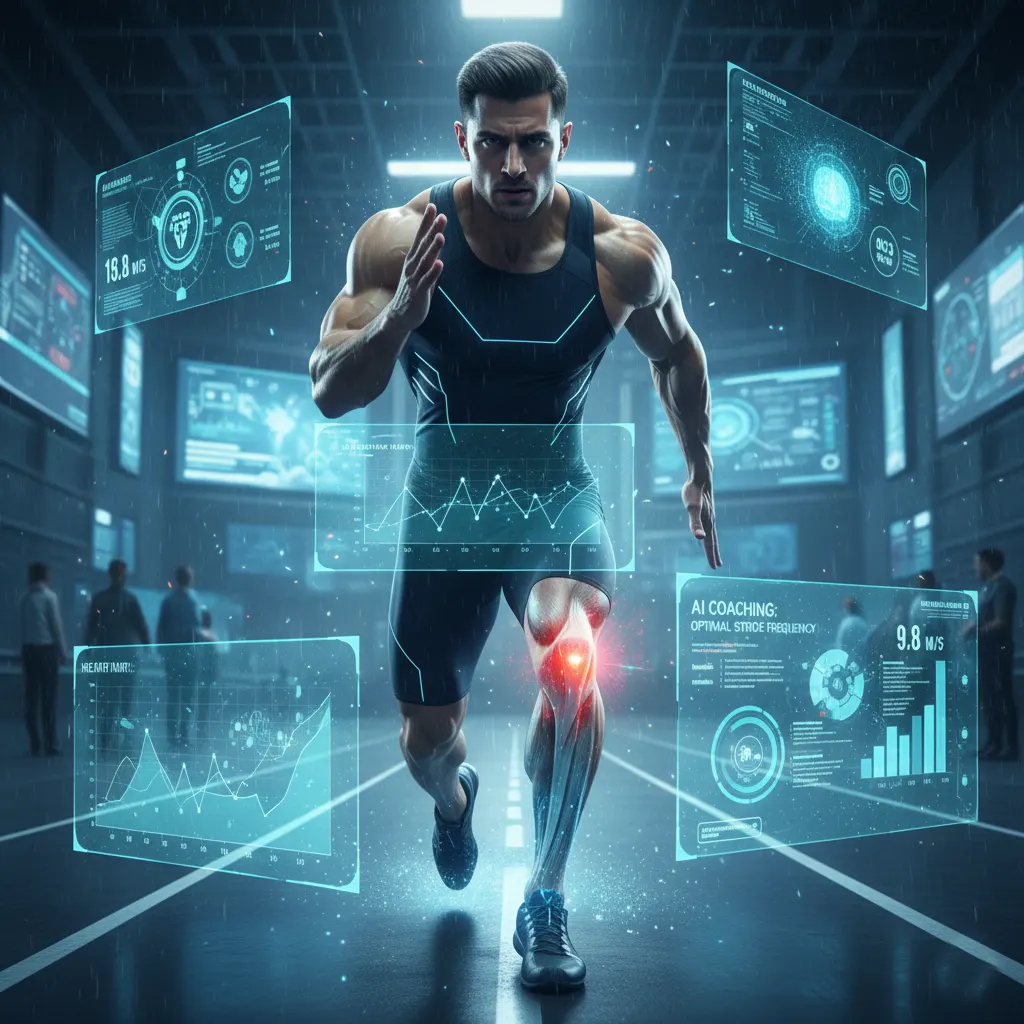
How AI Is Transforming Athlete Performance
1. Wearable Technology and Real-Time Biometric Monitoring
Wearable sensors and GPS trackers from companies like Catapult Sports and Polar collect real-time biometric data to optimize training loads and minimize injury risks.
- Optimal training loads
- Real-time injury risk detection
- AI-driven recovery scores
- Personalized conditioning plans
2. Predictive Analytics for Injury Prevention
Sports science institutions such as The Sports Science Institute and academic journals including Human Kinetics highlight how AI models are improving injury prediction accuracy.
3. Video Analytics and AI-Assisted Coaching
Companies like Stats Perform and Hudl offer AI-powered platforms that automatically analyze game footage and identify tactical insights within seconds.

The Digital Fan Experience: AI Is Rewriting the Game
1. Personalized Content and AI-Generated Highlights
Sports leagues such as the NFL and streaming platforms like Prime Video use AI to deliver real-time personalized highlights and predictive match insights.
2. VR, AR, and Immersive Stadium Experiences
The rise of immersive tech from platforms like Meta Quest and AR innovators such as Microsoft HoloLens is reshaping how fans consume live sports.
3. Dynamic Ticket Pricing and Revenue Optimization
Predictive ticketing systems, used by analytics companies like SeatGeek and StubHub, help franchises maximize revenue while offering personalized deals to fans.
Data Ownership and Ethical Concerns
As athlete and fan data becomes increasingly valuable, organizations turn to privacy frameworks like the EU GDPR and the U.S. OSTP AI guidelines to ensure transparency and fair use.
The Future: Hyper-Performance and Hyper-Personalization
Expect rapid growth in AI-driven refereeing systems, athlete digital twins, autonomous camera systems, and generative AI fan avatars powered by platforms such as OpenAI and Google DeepMind.
AI and analytics are redefining global sports — improving performance, enhancing safety, and transforming how fans engage with their favorite teams. The future belongs to organizations that embrace innovation and data-driven decision-making.
#SportsTech #AIinSports #SportsAnalytics #DigitalSports #FanExperience #WearableTech #SmartStadium #AthletePerformance #MachineLearning #FutureOfSports