

 By Vinod Ram
Why the “No Kings Movement” Matters — 2025 Update
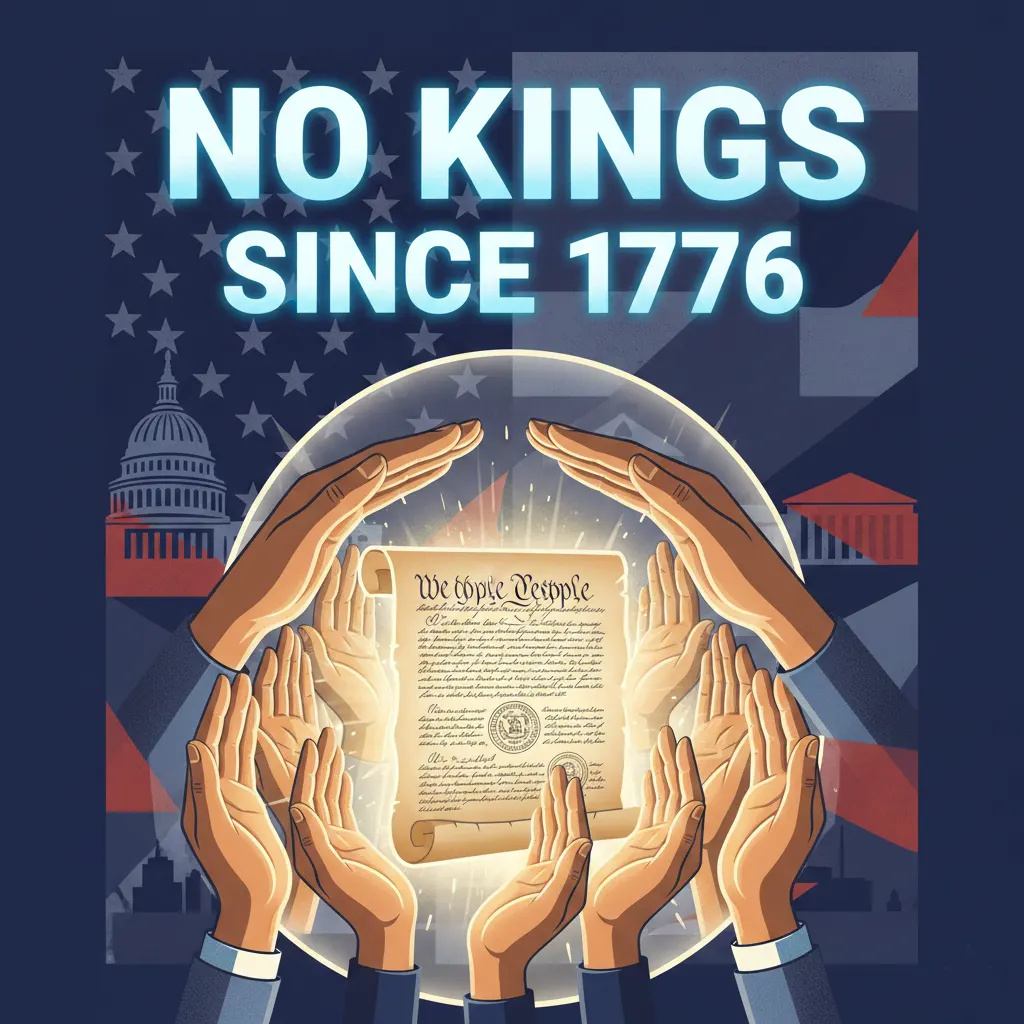
The No Kings Movement emerged as millions of Americans protested what they describe as rising authoritarian tendencies and excessive presidential authority. The slogan “No Kings Since 1776” reflects a belief that increasing executive power threatens long-standing constitutional principles.
The October 2025 mobilizations — often called “No Kings 2.0” — spanned more than 2,700 locations across the United States, representing one of the largest modern protest actions.
These demonstrations gained traction as many Americans cited concerns about authoritarianism in America Brookings, growing fears of U.S. democratic backsliding Freedom House, and debates over executive overreach in U.S. politics Cornell Law School.
Core Grievances Behind the “No Kings” Protests
1. Rising Authoritarianism & Constitutional Concerns
Protesters argue that the federal government is exhibiting signs of authoritarianism in America source and weakening key elements of the separation of powers Cornell Law. These concerns center on aggressive federal actions, expanded executive authority, and disregard for institutional checks.
Many civil-rights advocates warn that such trends threaten U.S. civil liberties ACLU and undermine the core values of democratic governance.
2. Erosion of Democratic Norms
Several protesters point to patterns identified in U.S. democratic backsliding Freedom House Research — including weakened oversight, politicization of institutions, and declining respect for constitutional norms.
This perception fuels anxiety about whether democratic safeguards can hold under increasing pressure.
3. Economic Inequality & Social Safety Concerns
Public frustration has also grown over widening wealth gaps. Analysts at the Economic Policy Institute EPI highlight how economic inequality in the U.S. has reached record levels, intensifying demands for fairer social policies.
Cuts to social protections, deregulation, and cost-of-living spikes have made these concerns even more urgent for working Americans.
4. Grassroots Mobilization Across the Country
What makes the movement unique is the scale of decentralized mobilization. Through social platforms, community groups, and local organizers, the protests illustrate the rise of digital activism in the U.S. Knight Institute, showing how ordinary citizens can coordinate nationwide without traditional institutions.
Why These Protests Signal Broad Discontent in U.S. Politics
A. Shifting Trust in Institutions
Studies from the Pew Research Center Pew show declining trust in government institutions such as Congress, the presidency, and the courts. This trend aligns with the motivations behind the protests.
B. Growth of Independent Voters
One of the most telling indicators of political discontent is the rise of independent voters in the USA Pew Politics. Increasing numbers of Americans no longer see themselves represented by either major party.
This shift suggests that disillusionment isn’t purely partisan — it’s systemic.
C. Deepening Political Polarization
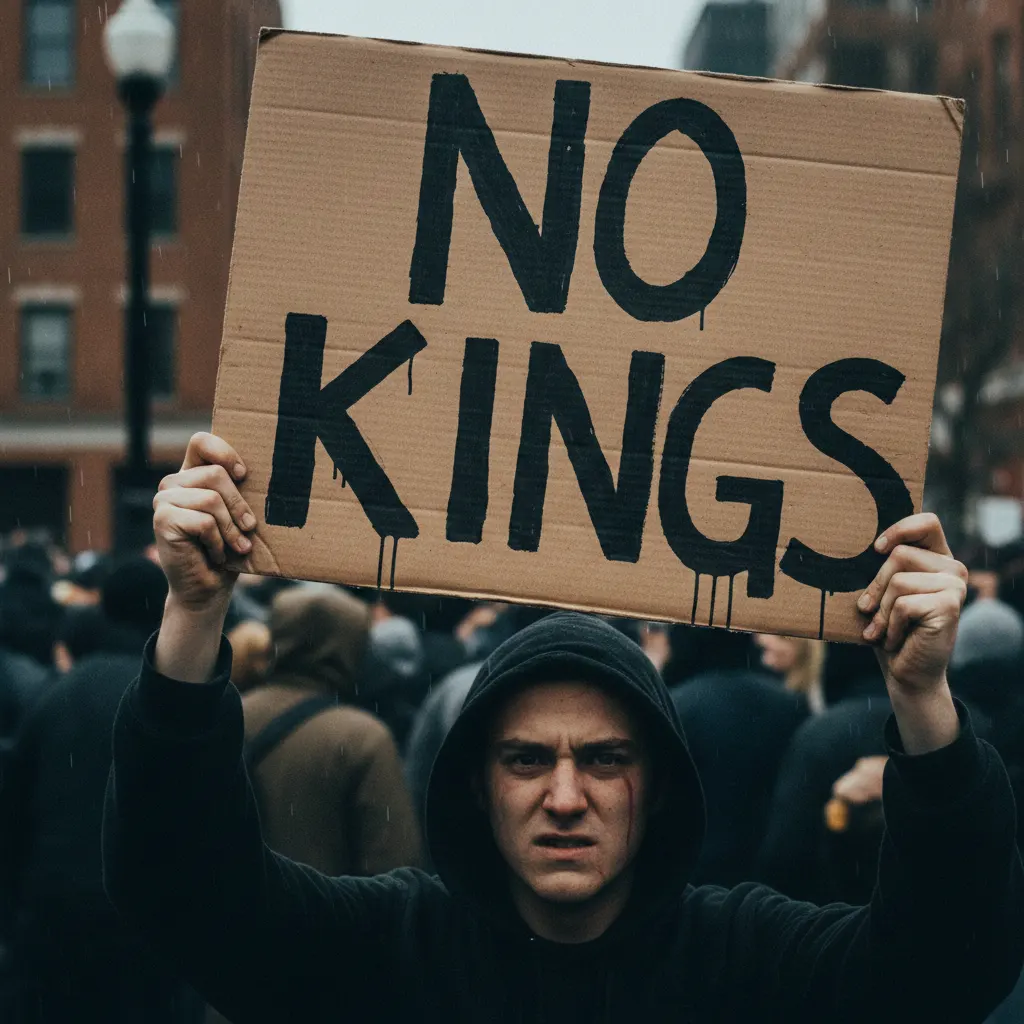
The protests reflect escalating political polarization in the U.S. Pew Research. Americans are increasingly split along ideological lines, with less middle ground than in prior decades.
This polarization fuels large-scale mobilization, but also increases the risk of conflict and instability.
Future Implications of the “No Kings” Movement
1. Renewed Civic Engagement
The protests could spark long-term engagement in civic institutions, voting, policy advocacy, and oversight. Younger Americans, in particular, are showing rising political interest.
2. Calls for Structural Political Reform
Protesters advocate for reforms to strengthen democratic resilience:
- Enhanced election protection
- Campaign finance reforms
- Stronger limits on executive authority
- Greater transparency and accountability
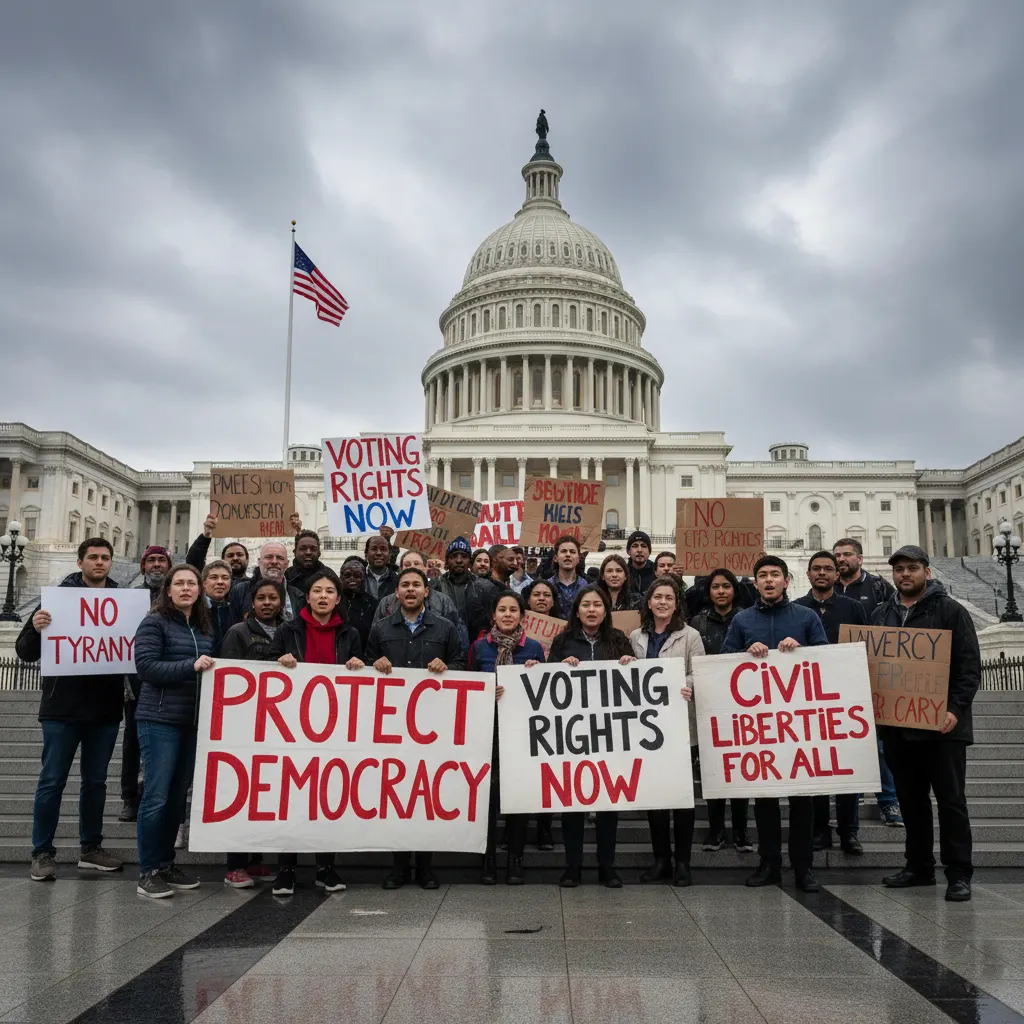
Interest in U.S. voting rights Brennan Center has surged as voters push for systems that ensure fairness and accessibility.
3. Possible Intensification of Political Division
While the movement energizes democracy advocates, it could also deepen entrenched divisions — depending on political response, media framing, and policy shifts.
The No Kings Movement protests of 2025 reflect deep concerns about governance, executive power, democracy, and economic fairness in the United States. Millions of Americans — spanning urban, suburban, and rural regions — have made it clear that they see significant problems in the current political system.
Whether this wave of civic energy leads to reform or further polarization will shape the direction of U.S. politics for years to come.
#NoKingsMovement #USPolitics2025 #AmericanDemocracy #CivilLiberties #PoliticalReform #ProtestMovements #DemocracyNow #USProtests #ExecutivePower #PoliticalPolarization