

 By Vinod Ram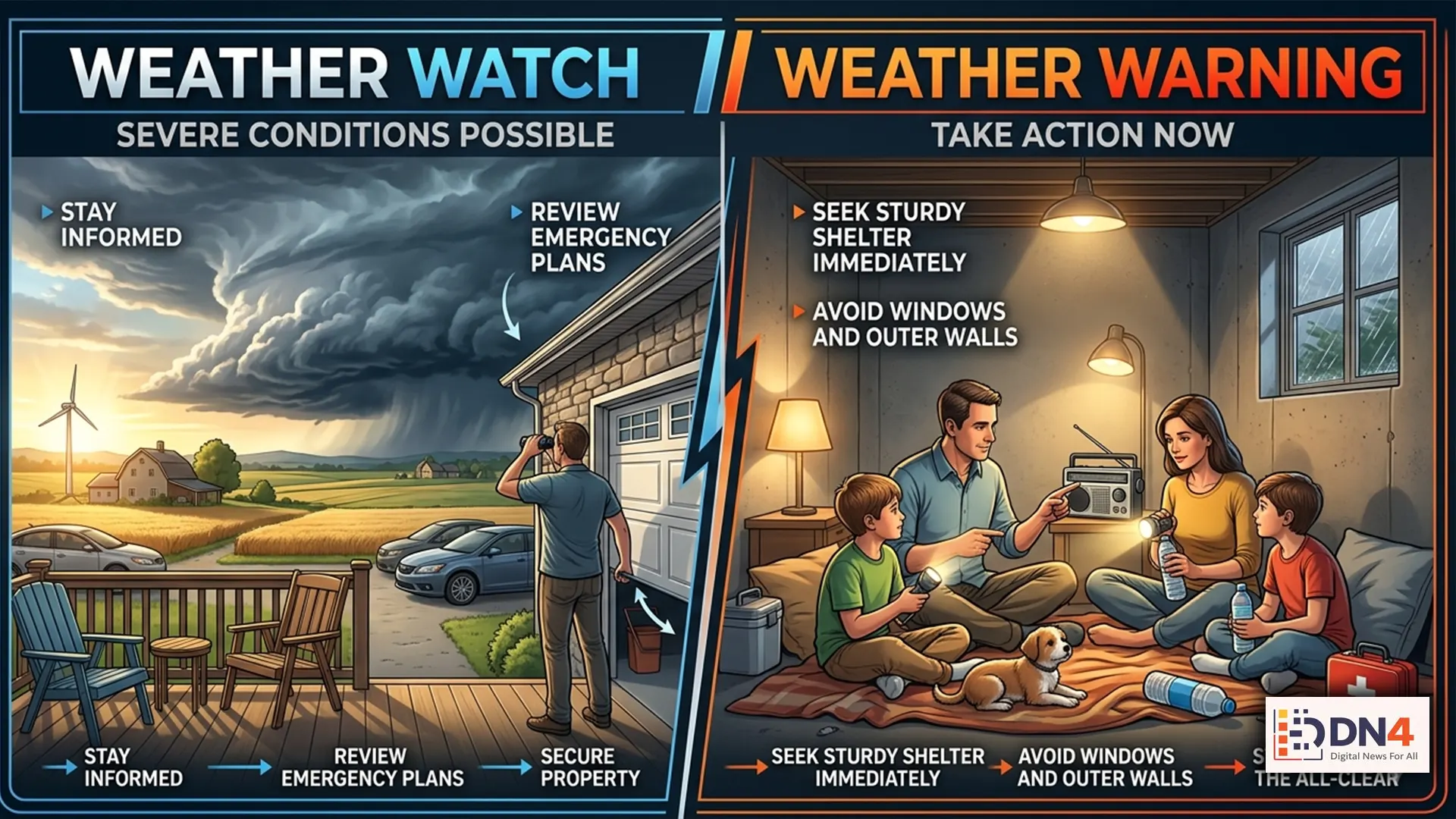
When severe weather hits, confusion can be dangerous. One of the most misunderstood parts of storm season is the difference between a watch and a warning.
Those two words may sound similar, but they mean very different things. Knowing the difference can help you act faster, stay calmer, and protect your family when minutes matter most.
This guide breaks it down in plain English—without panic, jargon, or doom scrolling.
Storm Watch vs. Warning: What’s the Difference?
Let’s make it simple:
- Watch = Be ready
- Warning = Take action now
According to the National Weather Service, a watch means conditions are favorable for dangerous weather. A warning means severe weather is happening now or is about to happen.
Think of a watch as a “heads up.” Think of a warning as “move now.”
What a Storm Watch Really Means
A storm watch does not mean disaster is guaranteed. It means the atmosphere has the ingredients needed for a severe event.
That could include:
- Severe thunderstorms
- Tornadoes
- Flash flooding
- Damaging winds
- Large hail
During a watch, your job is to prepare—not panic.
What to Do During a Watch
- Charge your phone and power banks
- Check your local radar and alerts
- Bring pets indoors
- Move your car away from trees if possible
- Know your safest room or shelter area
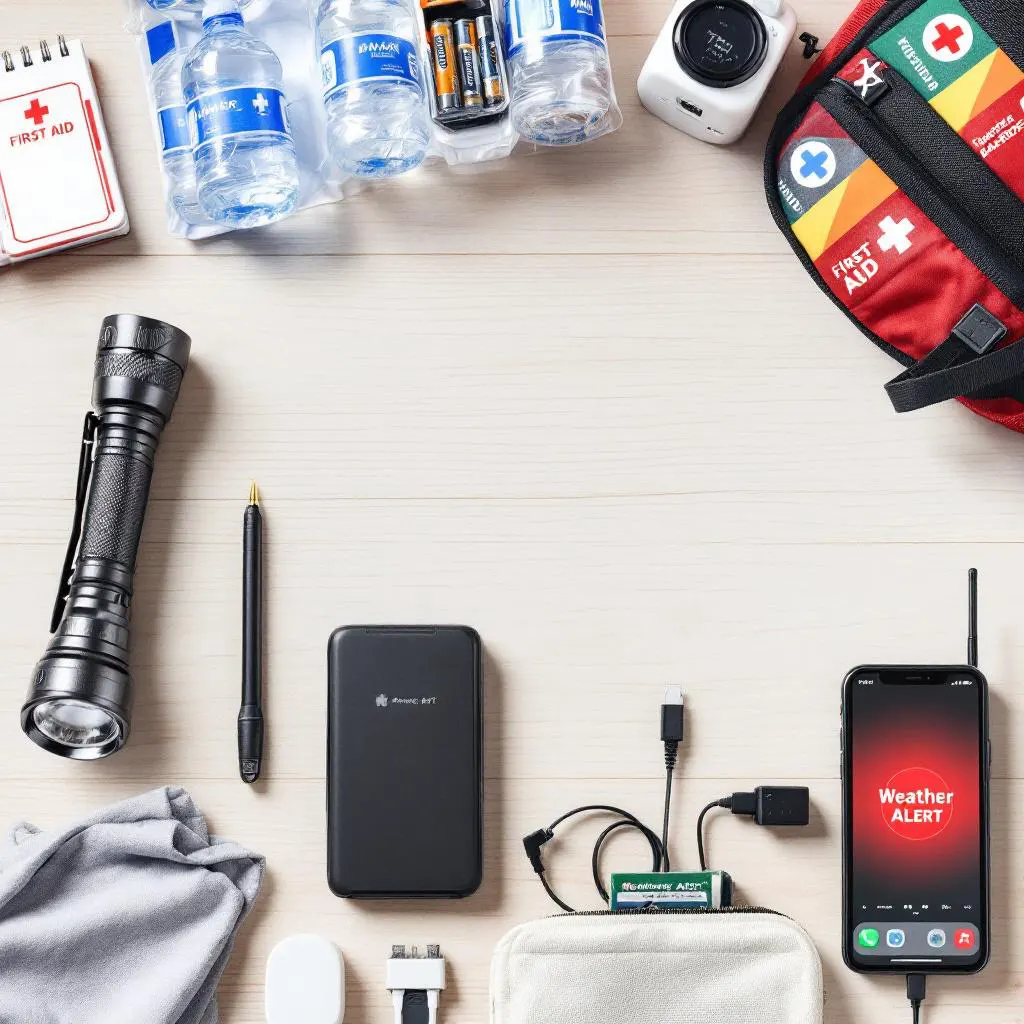
- Review your emergency kit
The Ready.gov emergency kit guide recommends keeping essentials like water, flashlights, batteries, medication, and important documents ready before bad weather starts.
What a Storm Warning Means
A warning is more urgent.
It means forecasters have detected severe weather through radar, spotters, or real-time observation. In other words, the threat is active and close enough to affect you.
For example, the NOAA Storm Prediction Center issues alerts when dangerous conditions develop quickly or intensify.
If you see a warning, do not wait to “see what happens.” That delay can cost precious time.
What to Do During a Warning
- Go indoors immediately
- Stay away from windows
- Move to the lowest level of your home if possible
- Use a small interior room, hallway, or bathroom
- Keep shoes, flashlight, and phone with you
- Do not go outside to record the storm
If you live in a mobile home, move to a sturdier shelter as soon as you can. The CDC disaster safety resources stress that mobile homes are especially vulnerable during tornadoes and high-wind events.
The Biggest Mistake People Make
Too many people treat a watch like background noise—and a warning like optional advice.
That mindset can be risky.
Weather alerts are not designed to scare you. They are designed to buy you time. The earlier you understand the alert, the more control you keep.
That is why experts at the American Red Cross recommend having a family storm plan before storm season begins.
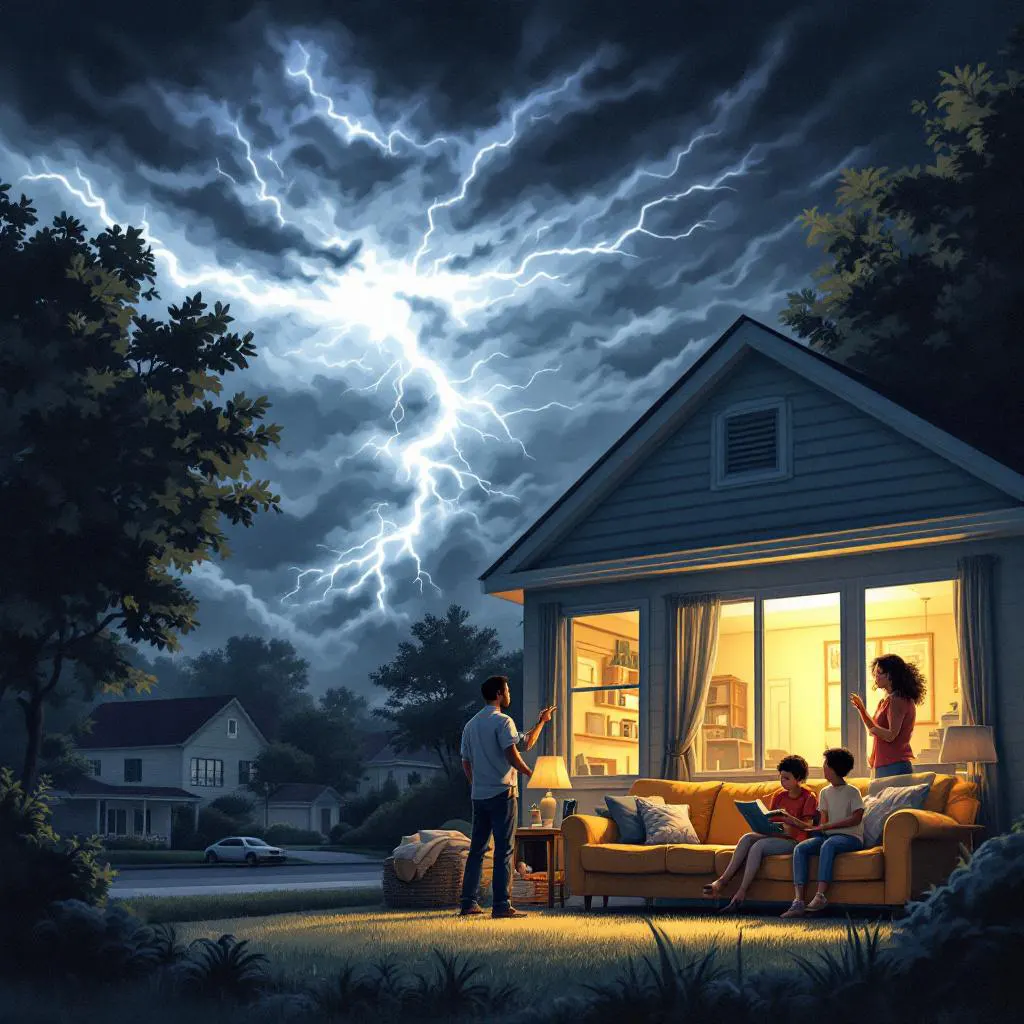
Your 5-Minute Storm Safety Checklist
If a severe storm may hit your area, run through this fast checklist:
- Phones charged?
- Weather alerts on?
- Flashlight ready?
- Safe room identified?
- Kids and pets accounted for?
- Shoes and essentials nearby?
That simple routine can make a big difference under pressure.
Stay Calm, Not Careless
Storm safety is not about fear. It is about timing, awareness, and preparation.
If you remember only one thing, remember this:
A watch means prepare. A warning means protect yourself now.
That one distinction can help you make smarter decisions, avoid panic, and stay safer when the weather turns fast.
#StormWatch #StormWarning #SevereWeather #StormSafety #EmergencyPreparedness #TornadoSafety #WeatherAlerts #DisasterReadiness #StaySafe
 vinodkram