

Introduction
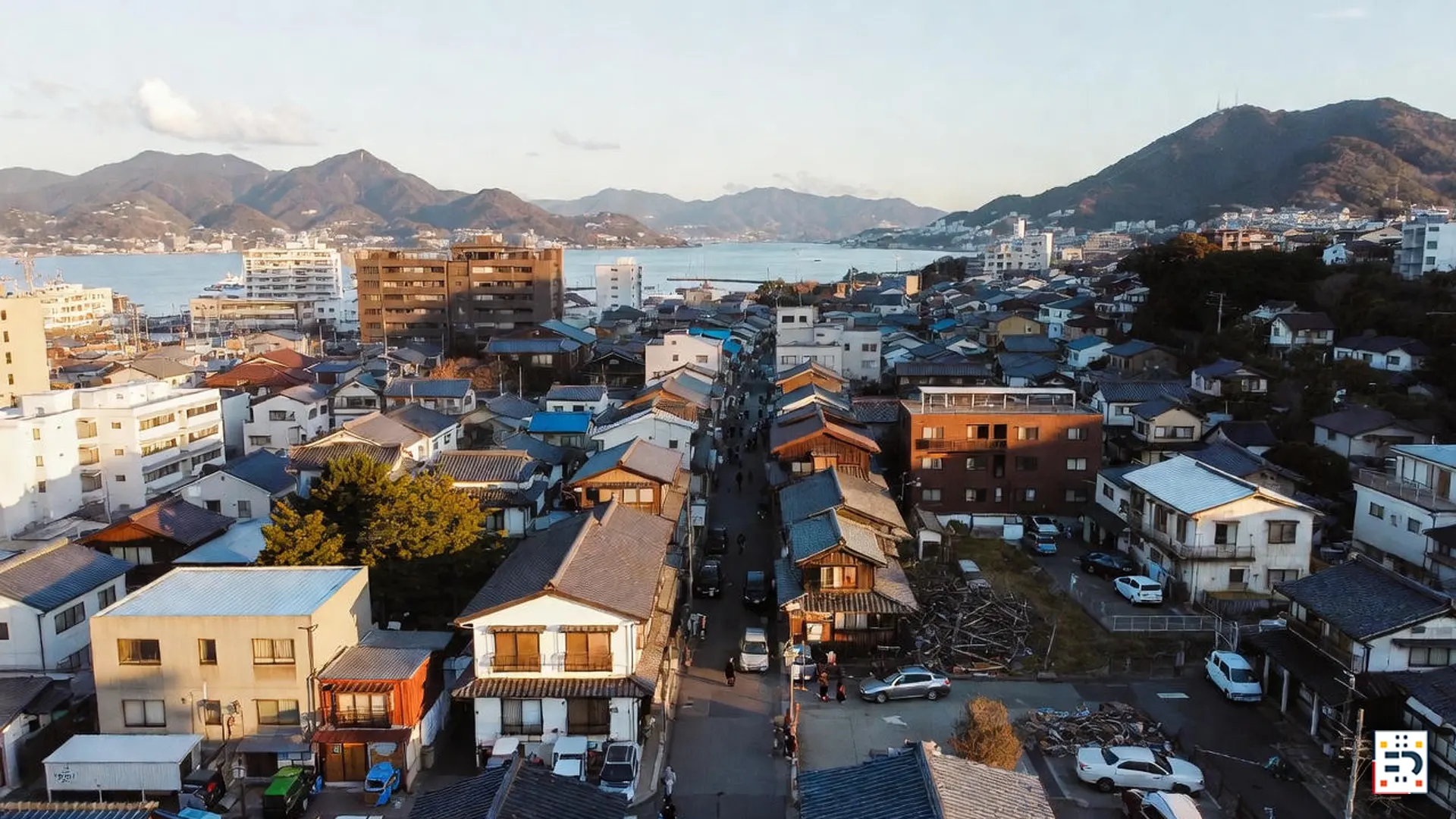
Japan has long been admired for its ability to rise after natural disasters—earthquakes, tsunamis, typhoons, and volcanic activity. This spirit of recovery is known worldwide as Japan’s resilience. Today, a growing number of travelers seek not only to explore Japan’s beauty but also to understand—and support—its recovery efforts through what experts call resilience tourism.
This travel movement encourages visitors to engage with communities, learn from their stories, support local businesses, and contribute to sustainable rebuilding. More than sightseeing, it’s about participating in Japan’s ongoing journey of restoration.
Japan’s Rebuilding Begins With Community Strength
Local communities are the driving force behind Japan’s recovery. After the 2011 Tōhoku earthquake and tsunami, countless towns rebuilt using community-led planning, volunteer cooperation, and policies guided by reconstruction agencies. International organizations such as the UN Office for Disaster Risk Reduction have frequently highlighted Japan as a global leader in recovery planning.
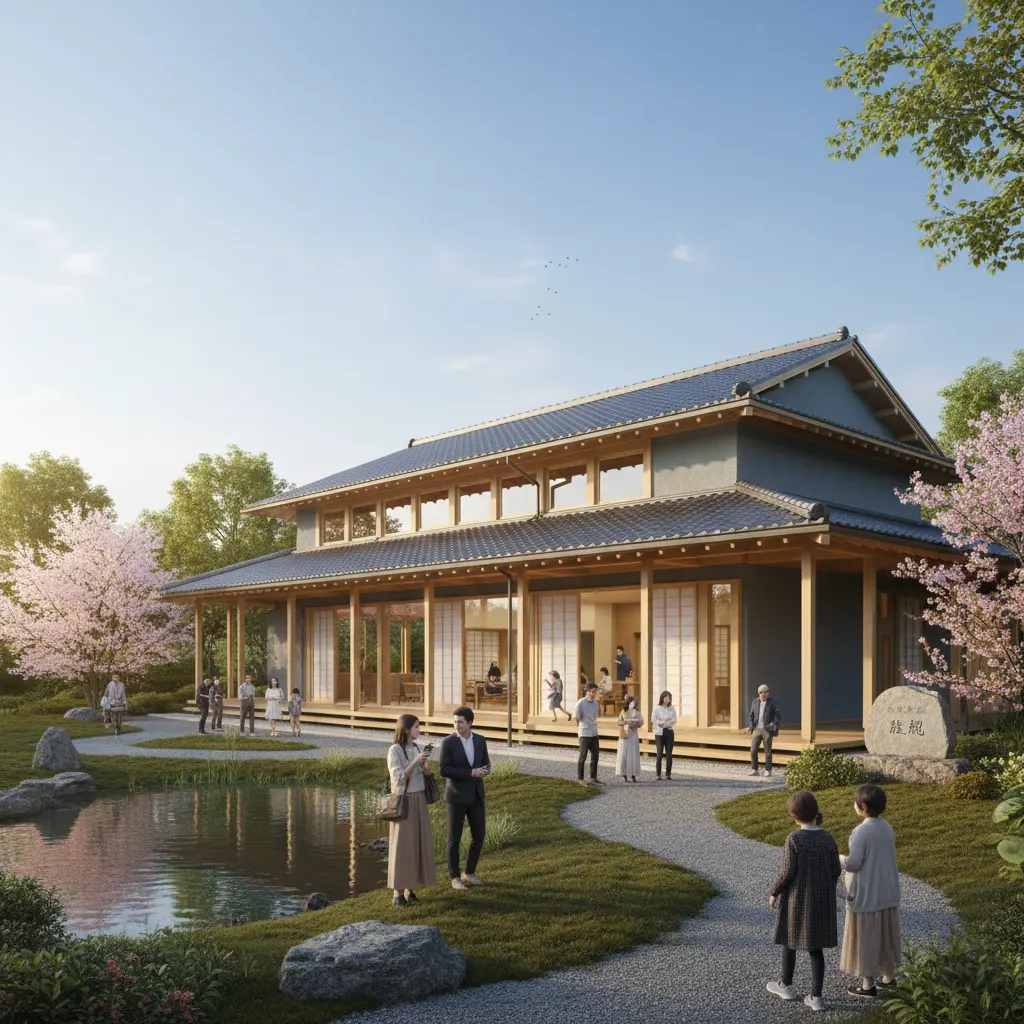
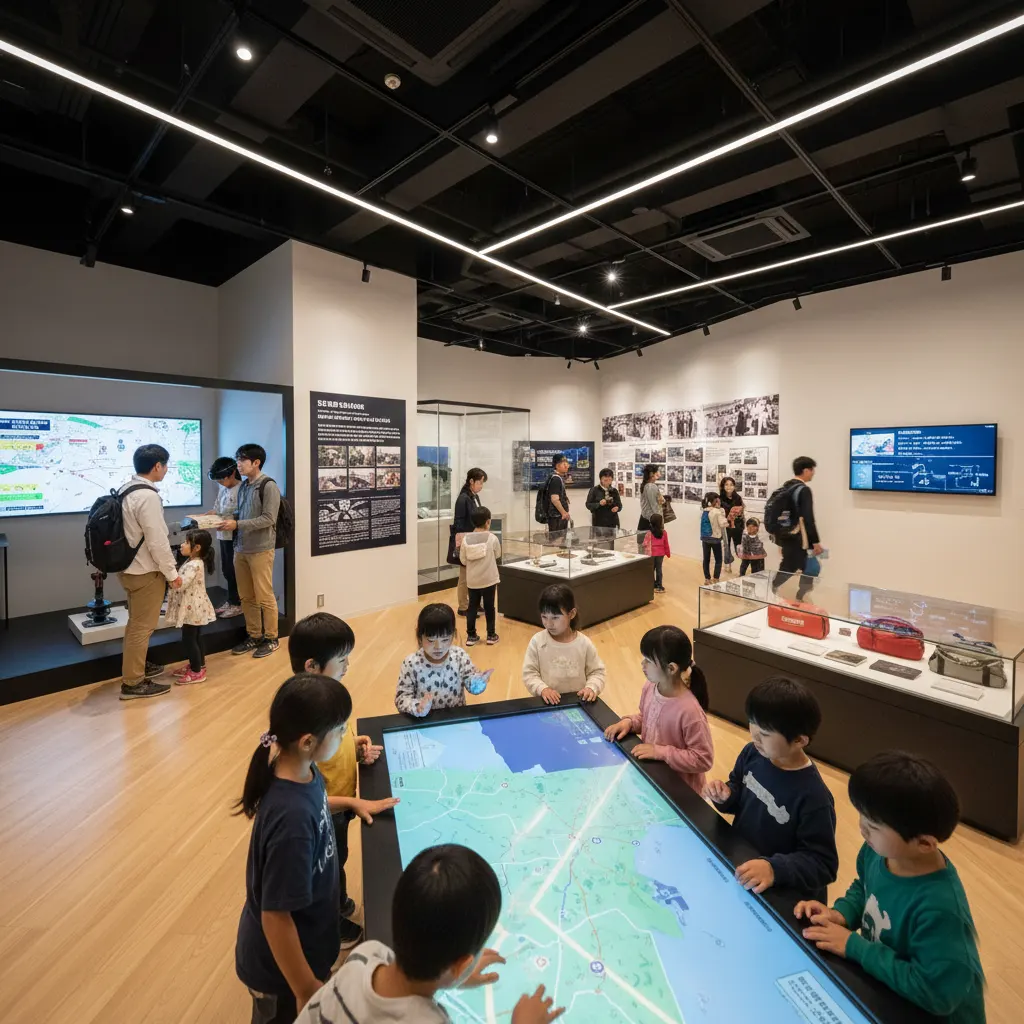
Travelers visiting recovering regions such as Tōhoku often find memorial parks, storytelling centers, and community-run museums that preserve history while fostering healing. To understand this model further, see our feature on how community-based tourism benefits local economies.
Tourism Plays a Key Role in Economic Recovery
Tourism is one of Japan’s most powerful tools for rebuilding local economies. In many affected regions, small inns, markets, restaurants, and artisan workshops rely on returning visitors to help them thrive again. Research and visitor guidance from the Japan National Tourism Organization (JNTO) emphasizes that local spending in recovering regions provides both economic and psychological encouragement to communities rebuilding their identity.
Travelers can directly support recovery by choosing locally owned accommodations, shopping at community markets, visiting survivor storytelling centers, and booking tours run by residents.
Learning from Japan’s Preparedness Culture
Japan’s rebuilding approach is rooted in a deeply ingrained culture of preparedness. Earthquake-resistant infrastructure, emergency drills, community shelters, and educational programs allow towns to rebuild stronger than before. The Japanese Cabinet Office Disaster Management details how disaster education has become an essential part of daily life.
Travelers engaging in resilience tourism often participate in disaster education programs, evacuation route tours, or safety workshops—experiences that teach practical skills while honoring Japan’s commitment to preparedness. Learn what visitors can take away in our piece on what travelers can learn from Japan’s preparedness culture.
Visiting Rebuilding Areas Helps Preserve Cultural Memory
Resilience tourism is not disaster tourism; it is a respectful, educational, and empathetic engagement with places that carry historical weight. Areas such as Miyagi and Iwate maintain carefully curated memorial sites that honor those affected while teaching future generations. Cultural outlets like Nippon.com highlight how memorial visits contribute to long-term cultural preservation and emotional recovery.
Travelers can help by participating in guided storytelling walks, volunteering, or supporting memorial museums—actions that strengthen memory and community pride.
How Travelers Can Help Japan’s Ongoing Recovery
Supporting resilience tourism does not require grand gestures—small, consistent actions create meaningful impact. Travelers can contribute by:
- Choosing responsible itineraries: support lesser-known regions still rebuilding. See our responsible-travel ideas in how to travel responsibly.
- Respecting local customs: follow etiquette and honor memorial spaces to show solidarity.
- Volunteering or donating: many towns offer structured volunteer opportunities or direct community donation channels via reputable organizations.
- Supporting local businesses: eat local, stay local, shop local—every purchase helps recovery.
- Sharing stories mindfully: posting respectful travel experiences raises awareness and encourages others to visit thoughtfully.
Japan’s resilience tourism invites travelers to become part of a healing story—one built on strength, unity, and the lessons of the past.
Japan’s approach to rebuilding is rooted in resilience, compassion, and community innovation. Travelers who engage thoughtfully in resilience tourism not only witness this journey firsthand—they become part of it. Each visit, purchase, or conversation contributes to the ongoing effort to keep communities strong and culturally connected.
You May Like
- Beyond the Kit: 5 Non-Obvious Earthquake Safety Lessons from Japan
- Tsunami Tech: How AI and Early Warning Systems Are Saving Lives Today.
#JapanTravel #ResilienceTourism #SustainableTravel #SupportLocal #VisitJapan #CulturalTourism #EcoTourism