

 By Vinod Ram
The AI arms race just entered its “agentic” era.
While ChatGPT continues to dominate mainstream AI usage, a growing community of developers and automation enthusiasts is shifting toward OpenClaw — formerly known as Moltbot.
Unlike cloud-only assistants, OpenClaw runs locally on your machine. Moreover, it integrates directly with WhatsApp and Telegram. As a result, it feels more like a personal AI operator than a chatbot.
However, before you jump in, there’s a security angle you shouldn’t ignore. Recently, cybersecurity firm Sophos issued warnings about enterprise AI agents. Therefore, understanding both power and risk is essential.
What Is OpenClaw?
OpenClaw is an open-source AI agent designed to execute tasks autonomously. Instead of simply answering questions, it can:
- Send and respond to messages
- Automate workflows
- Connect to APIs
- Run scripts locally
- Manage personal productivity tasks
Because it runs on your own infrastructure, users retain greater control over data handling. In contrast, most cloud AI platforms process information on remote servers.
Open-source projects like those hosted on GitHub have accelerated adoption among developers seeking transparency and customization.
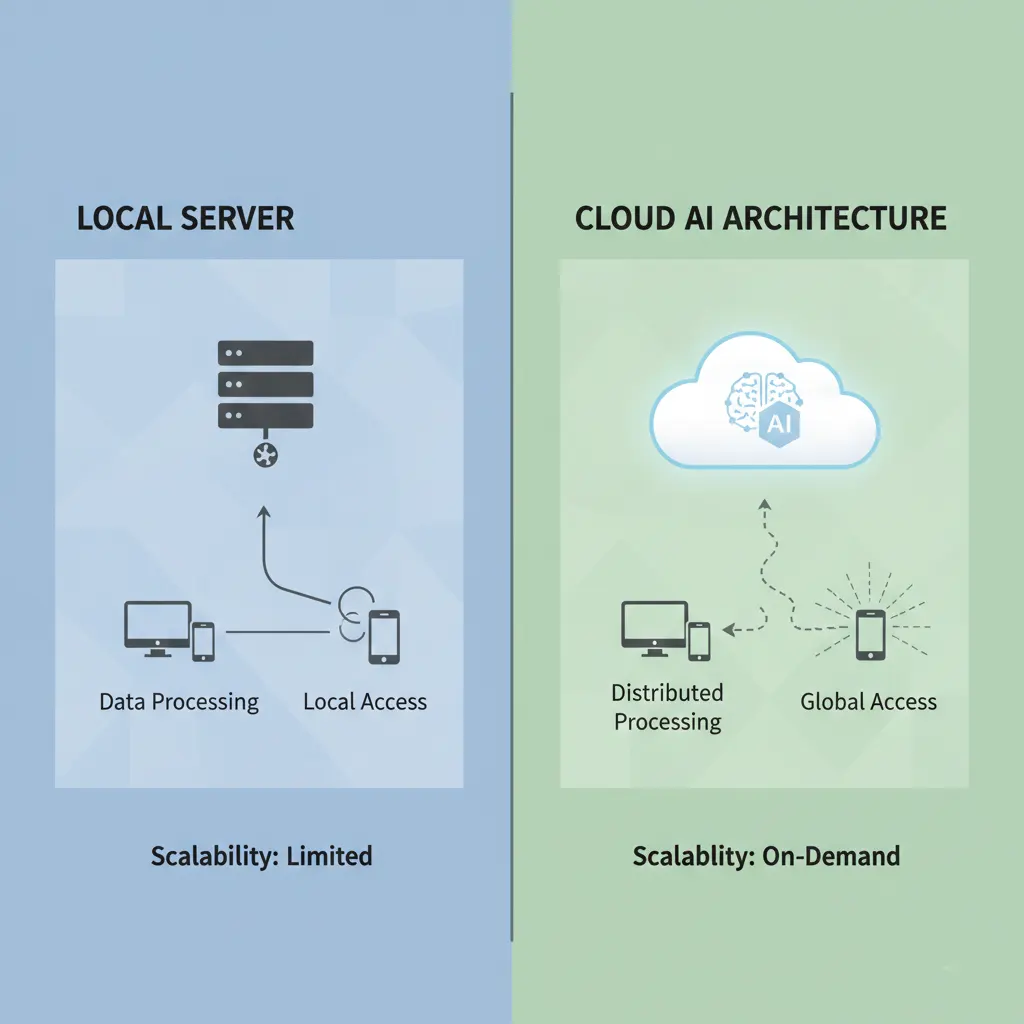
OpenClaw vs. ChatGPT: Key Differences
| Feature | OpenClaw | ChatGPT |
|---|---|---|
| Hosting | Local / Self-hosted | Cloud-based |
| Messaging Apps | WhatsApp & Telegram integration | Web & app interface |
| Customization | High (code-level) | Limited to settings & GPTs |
| Ease of Use | Technical setup required | Plug-and-play |
| Data Control | User-controlled environment | Platform-managed |
In short, ChatGPT prioritizes accessibility. Meanwhile, OpenClaw prioritizes autonomy.
How to Set Up OpenClaw (Step-by-Step)
Install Required Dependencies
First, install Python and necessary runtime tools. Many users deploy via Docker for cleaner isolation.
Clone the Repository
Download the OpenClaw repository from its official open-source directory. Then, configure environment variables and API keys.
Connect to Messaging Platforms
Use WhatsApp Business API or Telegram Bot API credentials. After that, authenticate your number and webhook endpoints.
Assign Agent Roles
You can define task-specific agents, such as scheduling assistants or monitoring bots. Because OpenClaw supports modular architecture, customization is extensive.
Monitor Logs & Security
Finally, enable logging and endpoint monitoring. This step is crucial for detecting unauthorized behavior.
The Sophos Warning: A Reality Check
While agentic AI is exciting, cybersecurity experts are cautious.
According to research published by Sophos, autonomous AI agents in enterprise environments can create new attack surfaces. For example:
- Unrestricted API permissions
- Data exfiltration risks
- Unauthorized automated actions
- Prompt injection vulnerabilities
Similarly, organizations like CISA have emphasized zero-trust architectures when deploying automation tools.
Therefore, running an AI agent locally does not automatically guarantee safety. Instead, responsible configuration determines security posture.

Who Should Use OpenClaw?
OpenClaw is ideal for:
- Developers building automation workflows
- Crypto and fintech traders automating alerts
- Productivity power users
- Privacy-conscious technologists
- Enterprise sandbox experimentation
However, beginners may prefer ChatGPT for its ease of use and integrated ecosystem.
Agentic AI in 2026
The rise of local AI agents signals a broader shift. Increasingly, users want tools that act — not just respond.
At the same time, regulators and cybersecurity firms are watching closely. As AI agents gain autonomy, governance frameworks must evolve.
Consequently, OpenClaw represents both innovation and responsibility. It’s powerful — but only as safe as its configuration.
If you want simplicity and scale, ChatGPT remains dominant.
However, if you crave customization, control, and automation across messaging platforms, OpenClaw offers a compelling alternative.
Ultimately, the question isn’t which AI is better. Instead, it’s which model fits your workflow — centralized convenience or decentralized autonomy.
#OpenClaw #ChatGPT #AIAgents #OpenSourceAI #CyberSecurity #AI2026 #TechTrends #AutomationTools