

 By Vinod Ram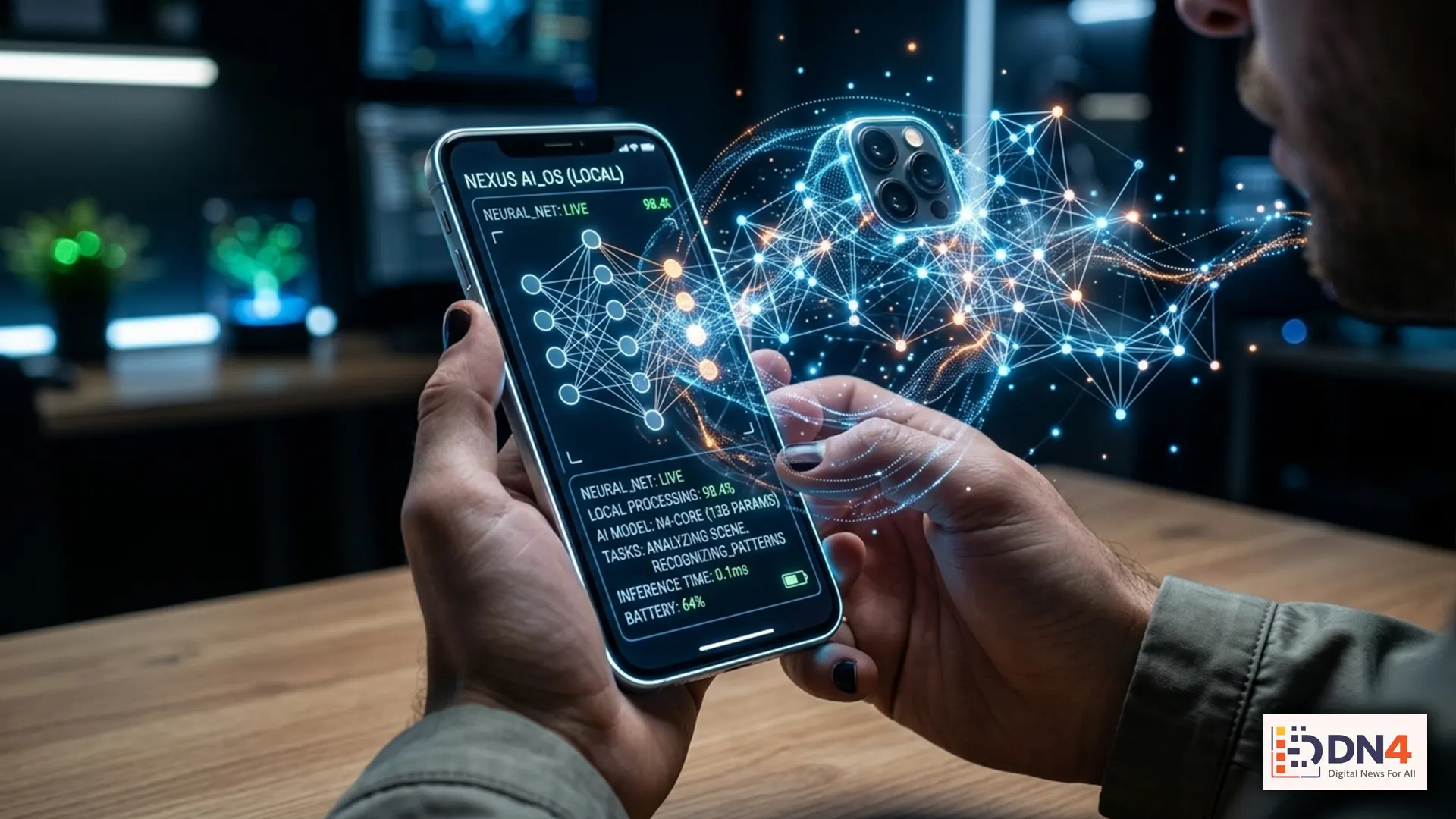
For years, artificial intelligence on smartphones relied heavily on cloud computing. When users asked voice assistants a question, edited photos with AI tools, or translated languages, much of that processing happened on remote servers.
But in 2026, that model is rapidly changing.
Advancements in mobile processors now allow powerful AI models to run directly on smartphones. This approach—often called local AI or on-device AI—is transforming how phones process data, improving speed, privacy, and efficiency.
Instead of sending information to distant data centers, the device itself performs the computation.
What Is Local AI?
Local AI refers to artificial intelligence models that run directly on a device rather than relying on external servers.
This concept is closely related to edge computing, where data processing happens closer to the source rather than in centralized cloud infrastructure.
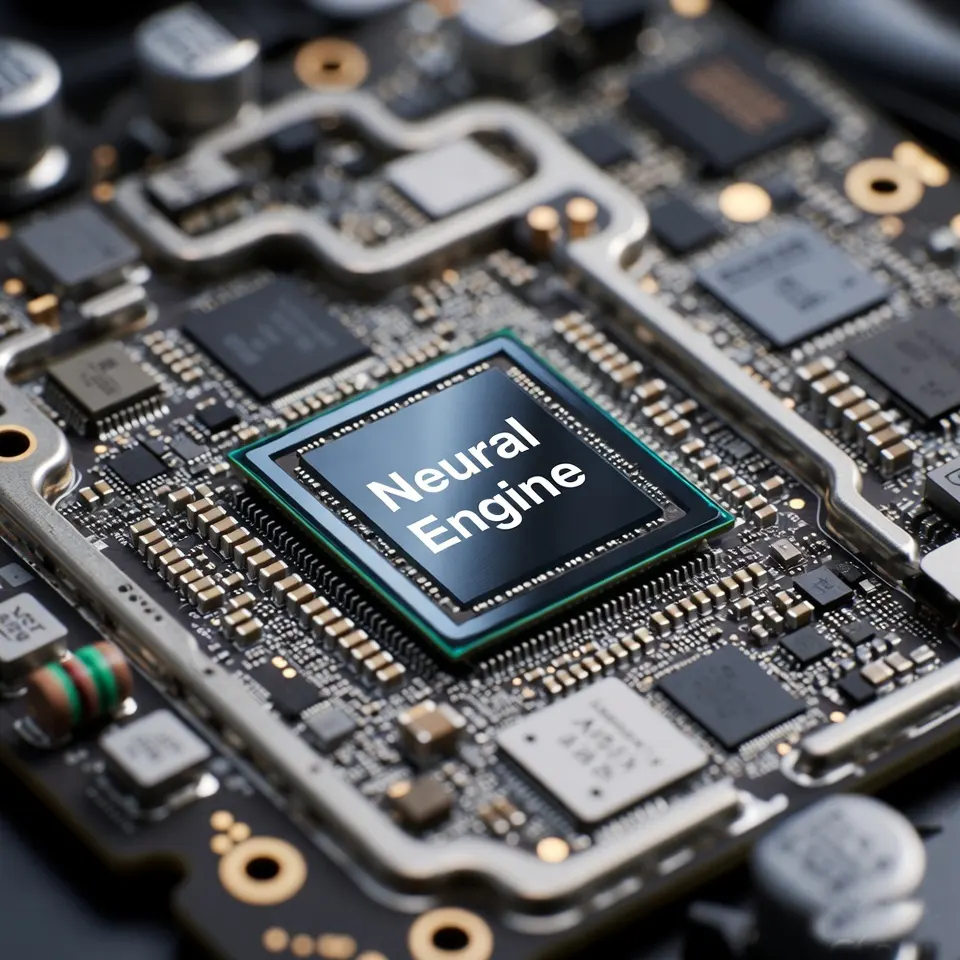
Modern smartphone chips now include specialized neural processing units (NPUs) designed specifically for AI tasks.
These processors allow devices to perform complex calculations such as image recognition, language translation, and predictive typing without internet access.
Why Tech Companies Are Moving AI to the Device
There are several major advantages to running AI locally on smartphones.
1. Faster Performance
When AI runs directly on the device, responses happen instantly because data does not need to travel to cloud servers.
This dramatically improves experiences like photo editing, voice commands, and augmented reality features.
2. Better Privacy
Local AI keeps sensitive data on the device rather than transmitting it across networks.
This aligns with growing concerns about digital privacy and data security in modern technology ecosystems.
Many experts studying artificial intelligence believe local processing will become increasingly important as AI capabilities expand.
3. Works Without Internet
One of the biggest advantages is that AI features can work even when the phone is offline.
This means translation apps, voice assistants, and camera enhancements can operate without network connectivity.
How AI Chips Are Powering the Shift
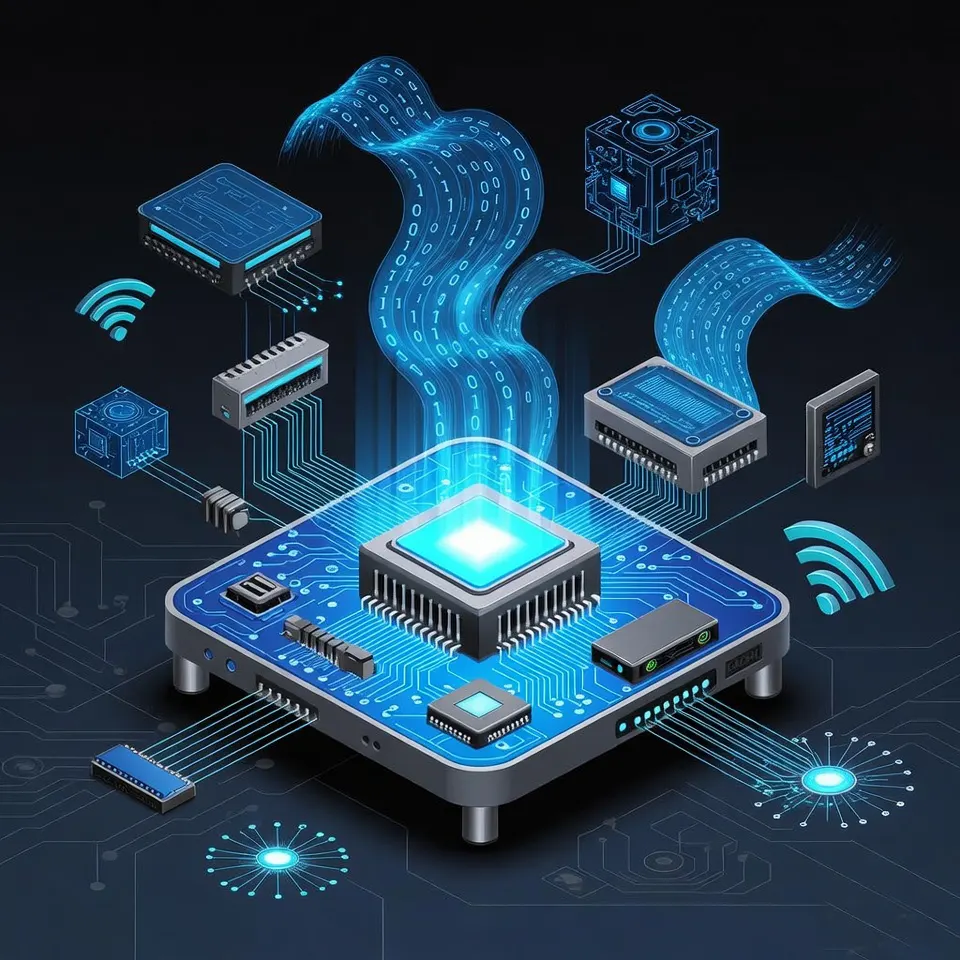
Modern smartphones include dedicated hardware designed specifically for AI workloads.
These specialized processors can run machine learning models efficiently while consuming minimal battery power.
The technology is often referred to as mobile AI processing, and it represents one of the fastest-growing segments of the semiconductor industry.
As chip manufacturers continue improving these processors, local AI capabilities will become even more advanced.
What This Means for the Future of Smartphones
Local AI could fundamentally reshape how mobile devices function.
Future smartphones may handle tasks like advanced photo editing, voice recognition, predictive assistance, and real-time translation entirely on-device.
Instead of relying on constant connectivity, devices will increasingly behave like powerful standalone AI computers in your pocket.
For users, this means faster performance, stronger privacy protections, and smarter devices that work anywhere.
#LocalAI #SmartphoneAI #EdgeComputing #FutureOfMobile #TechInnovation