

 By Vinod Ram
For years, smartphone makers have promised “all-day battery life,” but most users know the truth: once heavy apps, 5G, gaming, navigation, video recording, and always-on displays enter the picture, battery anxiety still creeps in. That’s why the rumored iPhone 18 Pro could become one of Apple’s most important upgrades in years — not because of flashy design, but because of what may be inside it.
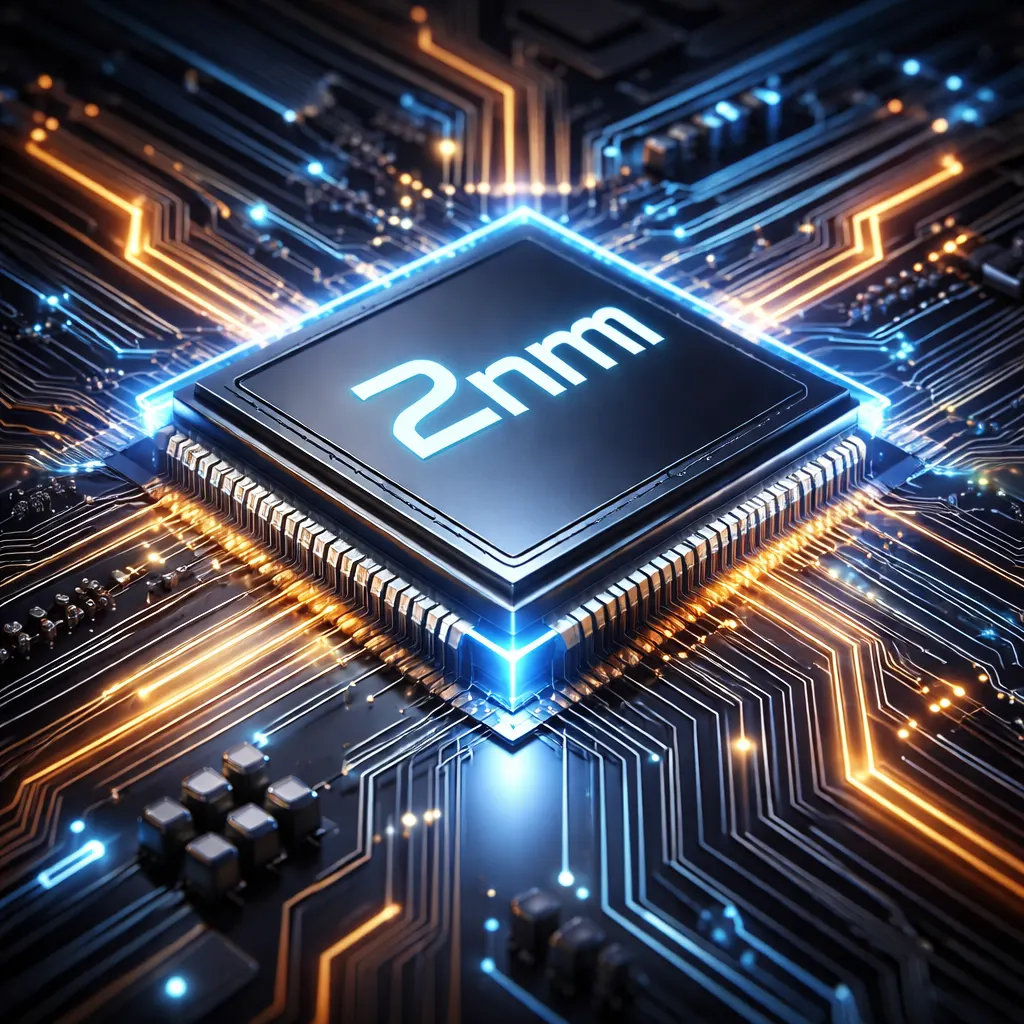
At the center of the hype is Apple’s expected A20 chip, reportedly built on an advanced 2nm manufacturing process. If that leap arrives as expected, it could fundamentally change what premium smartphone battery life looks like.
And for millions of users, that could mean something more valuable than raw benchmark bragging rights: freedom from constantly checking battery percentage.
Why 2nm Is a Bigger Deal Than It Sounds
Chip upgrades are often marketed with technical language that sounds impressive but feels abstract to everyday users. But the jump to 2nm is different because it affects the one thing almost everyone cares about: efficiency.
In simple terms, smaller process nodes allow more transistors to fit into the same space while reducing power consumption and improving performance. That means the chip can do more work while wasting less energy.
For Apple, which already leads the mobile chip race with its custom silicon strategy, that efficiency boost could unlock a huge real-world advantage.
Instead of only making the phone faster, the A20 could make the iPhone 18 Pro smarter about power use in everyday situations — and that matters far more to users than shaving half a second off app launches.
Battery Anxiety Is Really About Trust
The real problem with modern smartphone battery life is not always absolute capacity. It is unpredictability.
Users do not just want a phone that lasts long in ideal lab conditions. They want a phone they can trust during messy, real-life usage:
- Long travel days
- Video calls and hotspot use
- Heavy camera sessions
- Maps and ride-share navigation
- Streaming, gaming, and social media multitasking
This is where the A20 chip could become a true lifestyle upgrade. If Apple uses 2nm efficiency correctly, the iPhone 18 Pro may not just last longer — it may stay consistently reliable under demanding usage.
Why Apple’s Chip Strategy Keeps Winning
One of the biggest reasons Apple remains ahead in mobile performance is that it controls both the hardware and software stack. That means the company can optimize power management across iOS, background tasks, display behavior, AI features, and app responsiveness in ways competitors often struggle to match.
If the A20 launches with improved efficiency cores, smarter thermal management, and tighter on-device intelligence, Apple could deliver battery gains that feel immediately obvious — even if the physical battery itself only grows slightly.
This is how Apple often wins: not always by chasing the biggest spec sheet, but by making performance feel invisible and dependable.
Why the iPhone 18 Pro Could Matter More Than a Camera Upgrade
Every iPhone generation sparks speculation around cameras, titanium finishes, AI tools, or display changes. But in reality, battery life remains one of the most emotionally important buying decisions in consumer tech.
People can tolerate a camera that is “good enough.” They are far less forgiving of a phone that dies before dinner.
If the iPhone 18 Pro becomes the first Apple device that truly makes battery worry feel outdated for power users, that could be a more compelling upgrade reason than any lens or color option.
It would also strengthen Apple’s position in a market where premium buyers increasingly care about longevity, efficiency, and day-to-day confidence rather than just novelty.
The Real Impact: Fewer Charges, Less Stress, More Freedom
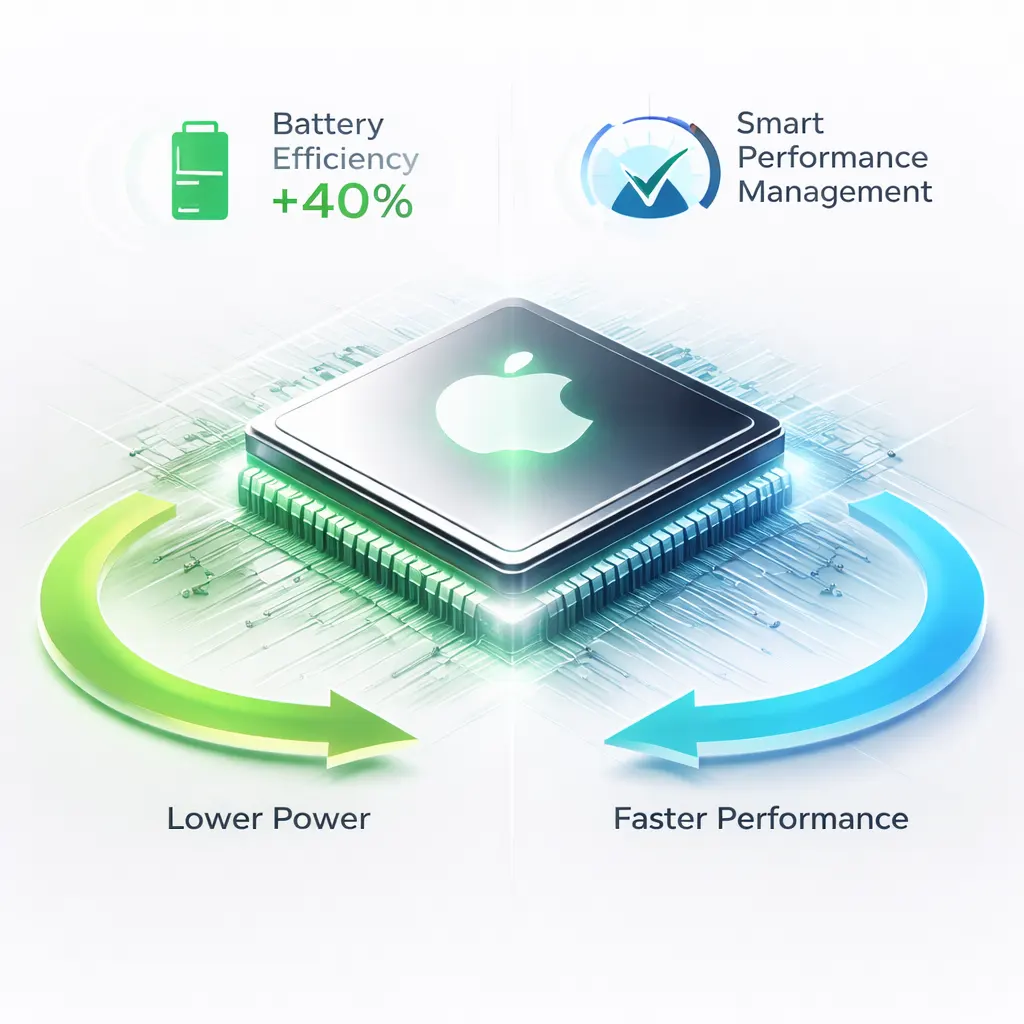
When people talk about battery improvements, they often focus only on numbers — an extra hour here, a percentage gain there. But the bigger story is behavioral.
A genuinely more efficient iPhone changes how people use their devices:
- Less dependence on power banks
- Less charger anxiety during work and travel
- More confidence using demanding apps freely
- Less battery-saving compromise throughout the day
That kind of freedom is exactly what smartphone users have been promised for years — and the A20 may finally be the hardware leap that delivers it.
If Apple’s 2nm A20 chip performs the way the industry expects, the iPhone 18 Pro could represent one of the most meaningful quality-of-life upgrades in recent smartphone history.
Not because it will necessarily look radically different. Not because it will post the highest synthetic scores. But because it could solve one of the most universal frustrations in modern mobile life.
If Apple gets this right, the iPhone 18 Pro won’t just be faster — it may be the first iPhone that finally makes battery anxiety feel obsolete.
#iPhone18Pro #AppleA20 #2nmChip #AppleLeaks #BatteryLife #iPhoneNews #SmartphoneTech #AppleSilicon #TechTrends