

 By Vinod Ram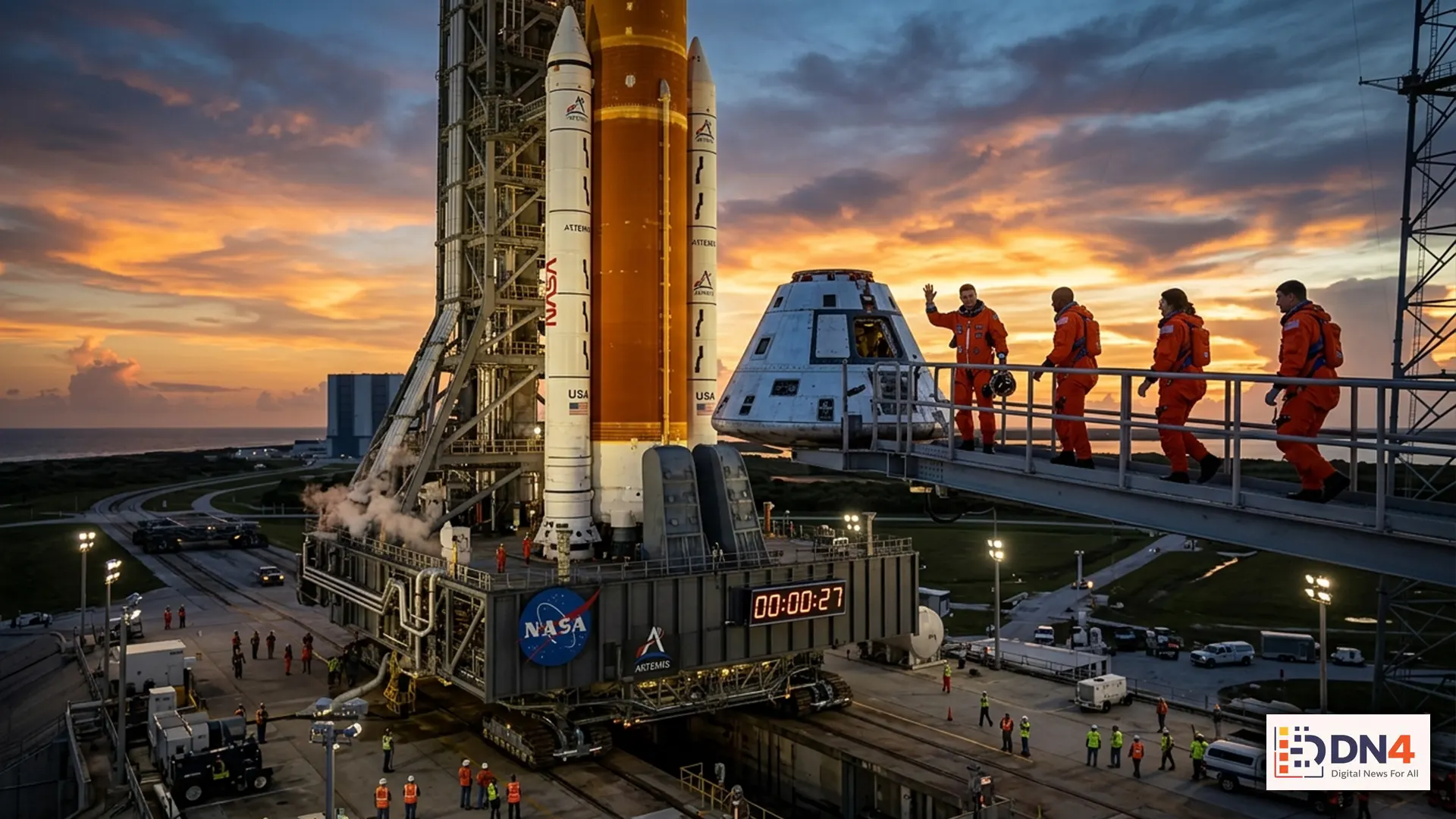
T-minus 2 days. If all goes to plan, NASA’s Artemis II mission will lift off on April 1, sending astronauts around the Moon for the first crewed lunar mission in more than 50 years.
That alone makes it one of the biggest spaceflight moments of the decade. But for millions of people around the world, the real question is simple: How do you watch the Artemis II launch live?
The good news: NASA is making it easy to follow the countdown, launch, and mission coverage online — and you won’t need cable TV or a specialized app to tune in.
When is the Artemis II launch?
NASA is currently targeting Wednesday, April 1, 2026, for the launch of Artemis II, with liftoff scheduled for 6:24 p.m. EDT from Launch Complex 39B at Kennedy Space Center.
According to NASA’s official mission coverage page, the agency will also provide updates on prelaunch activities, crew events, and the full launch broadcast.
As with any major space mission, schedules can shift because of weather, technical checks, or range availability. NASA has also outlined backup launch opportunities through early April if the primary date slips.
How to watch the Artemis II launch live
If you want the most reliable official coverage, your best option is to watch directly through NASA’s official Artemis II launch broadcast.
You can also stream the event through NASA+, which is NASA’s free streaming platform for live events, mission coverage, documentaries, and real-time updates.
Here are the easiest ways to watch:
- NASA+ on web and supported devices
- NASA official website
- NASA app for mobile viewing
- YouTube and partner live coverage
For viewers who want broader launch-day context, outlets like Space.com’s live Artemis II coverage are also expected to follow the event closely.
What time should you tune in?
Don’t just show up at T-0.
NASA launch broadcasts usually begin hours before liftoff, with coverage of fueling operations, weather checks, astronaut boarding, countdown milestones, and commentary from mission experts.
That means if you want the full experience, you should probably tune in at least 2 to 3 hours before launch. That gives you the best chance to catch:
- The final countdown timeline
- Crew boarding and hatch close
- Live shots from the launch pad
- Mission control commentary
- Potential delay announcements in real time
If NASA stays on schedule, expect the biggest audience surge during the final 30 minutes before launch.
Why Artemis II is such a historic launch
This is not just another rocket launch. Artemis II is NASA’s first crewed Artemis mission and its first mission to send astronauts around the Moon since the Apollo era.
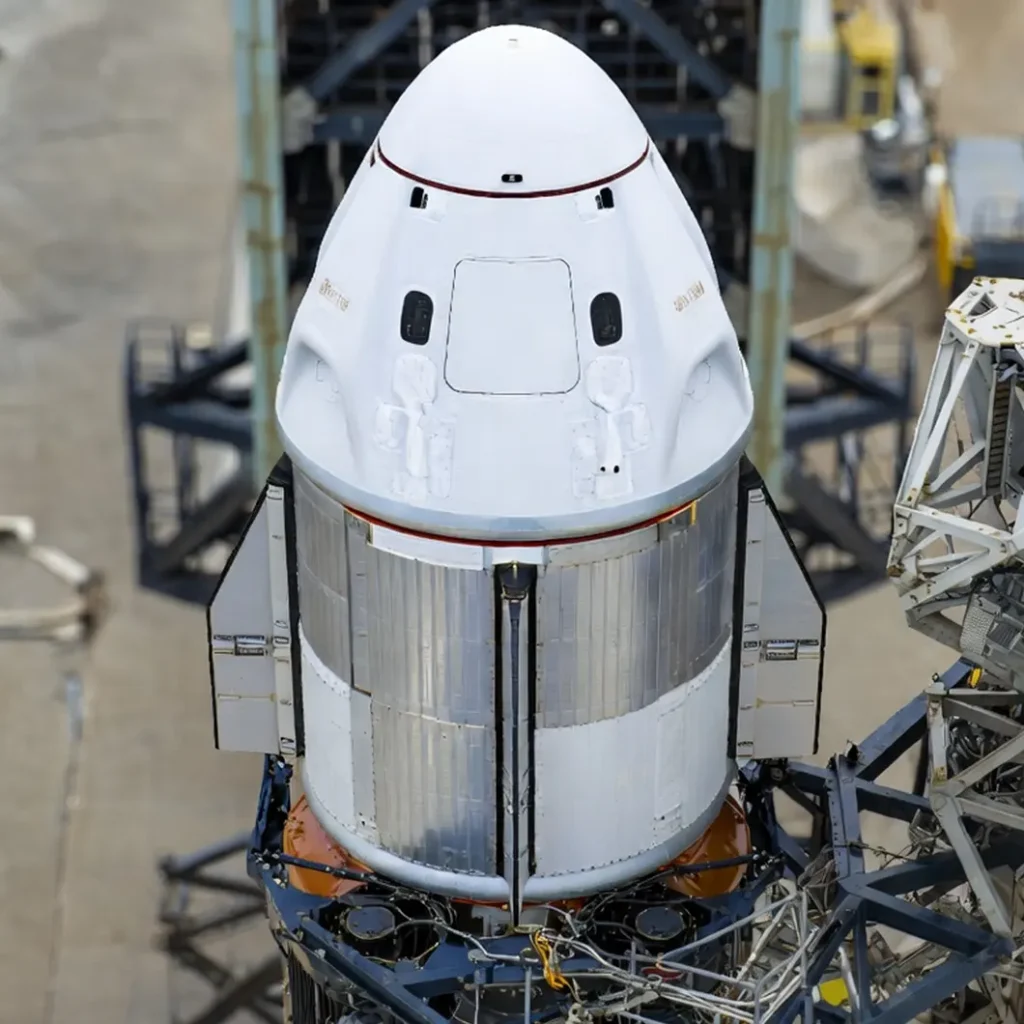
According to the official Artemis II mission overview, the flight will test the Space Launch System (SLS) rocket and Orion spacecraft with humans aboard for the first time.
The mission is expected to last around 10 days, carrying a crew of four astronauts on a lunar flyby and return trajectory. The goal is not to land on the Moon this time — it’s to prove the systems that future Artemis missions will rely on.
That makes Artemis II a major bridge between the successful uncrewed Artemis I mission and future lunar exploration missions that could eventually return humans to the lunar surface.
Who is flying on Artemis II?
The Artemis II crew includes four astronauts who will become some of the most closely watched space travelers in the world this week.
- Reid Wiseman – Commander
- Victor Glover – Pilot
- Christina Koch – Mission Specialist
- Jeremy Hansen – Mission Specialist, Canadian Space Agency
Their mission will test spacecraft systems, crew operations, and deep-space readiness in ways NASA hasn’t attempted with astronauts in decades.
Can you track Artemis II after launch?
Yes — and this is one of the coolest parts of the mission.
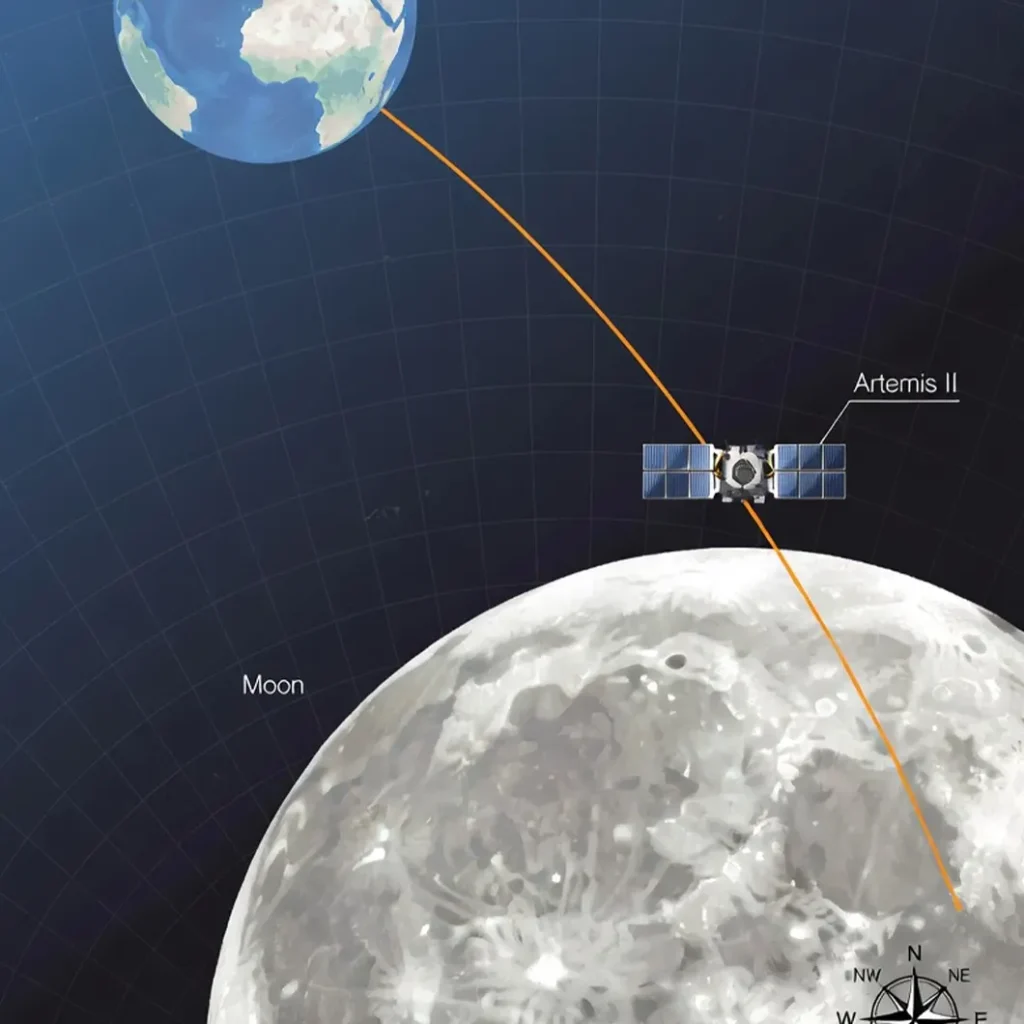
NASA says fans will be able to follow Orion’s journey using its real-time tracking tools. The agency’s Artemis real-time tracking system will allow viewers to see where the spacecraft is during its journey around the Moon.
That means the launch isn’t just a one-night event. If all goes well, Artemis II becomes a multi-day global space spectacle.
What if the launch is delayed?
That’s always possible in spaceflight.
Even if NASA remains confident, launch campaigns can change quickly because of weather conditions, fueling issues, range coordination, or engineering reviews. Recent reports suggest NASA still has a high degree of confidence heading into the current launch window, but the final call will come closer to launch day.
If the April 1 attempt is scrubbed, NASA has already outlined additional opportunities in the days that follow. So if you miss the first window — or if the mission gets pushed — you’ll still want to keep an eye on official updates.
This is one launch worth watching live
Artemis II is more than a mission. It’s a cultural and technological milestone — the kind of launch that reminds people why human spaceflight still captures the world’s imagination.
If the countdown holds, April 1 won’t just be another launch date. It could become one of the defining spaceflight moments of this decade.
So yes, clear your schedule, charge your phone, and open the livestream early.
History doesn’t always come with a countdown clock — but this one does.
#ArtemisII #NASA #MoonMission #SpaceLaunch #SLS #Orion #KennedySpaceCenter #SpaceNews #LiveLaunch #ArtemisProgram