

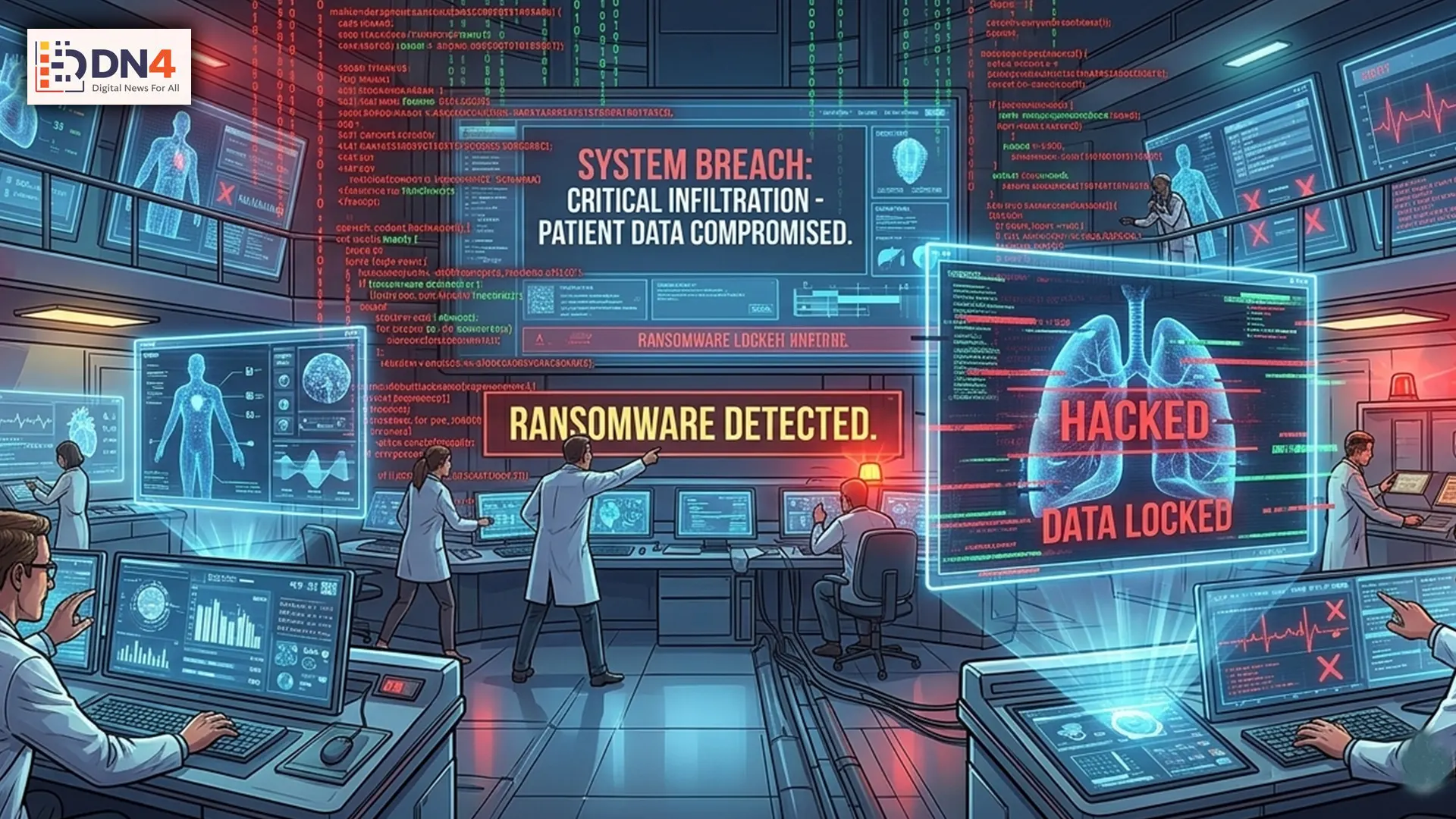
A massive cyberattack has shaken the global healthcare technology industry. The Iran-linked hacking group known as Handala claims it extracted nearly 50 terabytes of sensitive data from medical technology giant Stryker Corporation.
The group says the attack was carried out in retaliation for recent geopolitical tensions. But beyond the political context, cybersecurity experts warn that the incident highlights something far more troubling: the vulnerability of the emerging “smart hospital” ecosystem.
As hospitals increasingly rely on connected devices, AI diagnostics, and digital patient platforms, the potential damage from a single breach has never been greater.
What Happened in the Stryker Breach?
According to reports circulating in cybersecurity forums and international media, the group Handala claimed responsibility for infiltrating systems linked to Stryker’s global infrastructure.
Stryker is one of the largest medical technology companies in the world, known for developing surgical equipment, hospital beds, orthopedic implants, and digital hospital solutions.
Analysts from organizations such as CISA and CrowdStrike have long warned that healthcare systems are among the most targeted sectors for cyberattacks.
If confirmed, a 50TB data breach would rank among the largest cyber incidents ever reported in the healthcare industry.
The Rise of the Smart Hospital
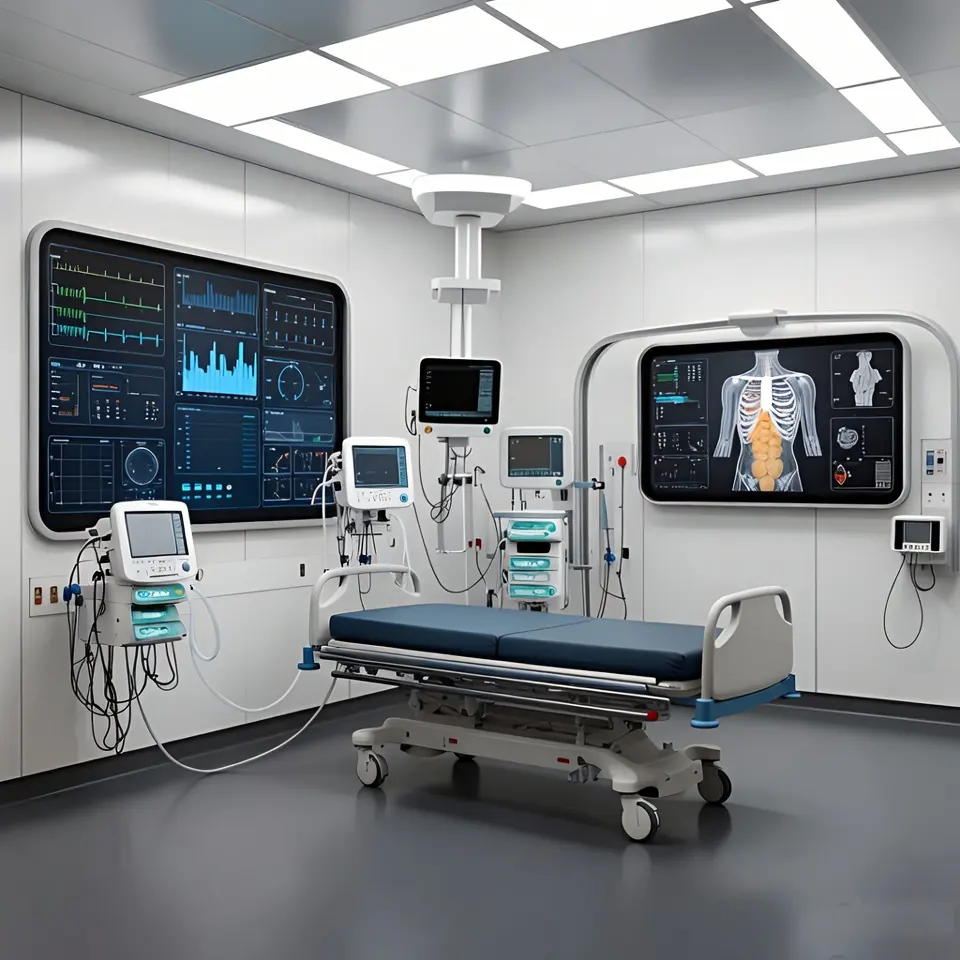
The attack comes at a critical moment as healthcare systems rapidly transition toward digital infrastructure.
Companies like Stryker have been developing advanced platforms designed to transform hospitals into highly connected environments where devices, patient records, and AI systems communicate seamlessly.
These systems promise enormous benefits:
- Real-time patient monitoring
- AI-assisted diagnostics
- Automated surgical environments
- Predictive hospital resource management
But every new connected device potentially introduces another entry point for cybercriminals.
Why Healthcare Is a Prime Cyber Target
Healthcare data is incredibly valuable on the black market.
Unlike stolen credit cards, which can be canceled quickly, medical records contain long-term personal information including:
- Patient identity details
- Insurance information
- Prescription histories
- Biometric data
According to cybersecurity research from IBM Security, healthcare breaches consistently rank among the most expensive data incidents globally.
The combination of sensitive data and often outdated IT systems makes hospitals especially vulnerable.
The Terrifying Scale of a 50TB Breach
To understand the magnitude of a 50TB data leak, consider that it could potentially contain millions of documents, images, and system records.
In the context of healthcare technology companies like Stryker, that data could theoretically include:
- Internal corporate communications
- Device development documents
- Hospital network architecture
- Patient or clinical system records
While the full scope of the breach remains under investigation, cybersecurity analysts warn that attacks targeting healthcare infrastructure may increase dramatically in the coming years.
The Future of Healthcare Security
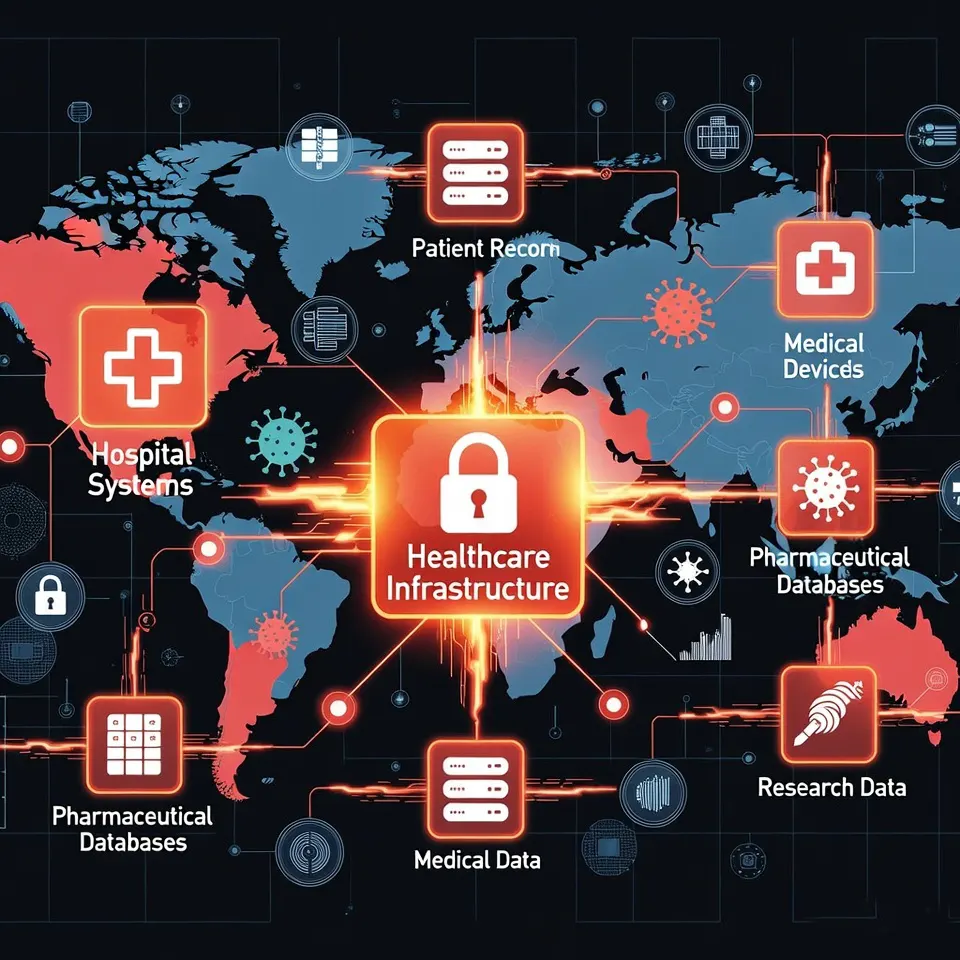
The Stryker incident highlights an urgent need for stronger cybersecurity in medical environments.
Experts say the next generation of hospital infrastructure must include security at every layer:
- Device-level encryption
- AI-powered threat detection
- Zero-trust network architecture
- Continuous vulnerability testing
Organizations such as World Health Organization have already warned that cyber threats targeting healthcare could become a major global public safety concern.
A Wake-Up Call for the Digital Healthcare Era
The promise of smart hospitals is transformative. Digital systems can improve patient outcomes, streamline operations, and enable new medical breakthroughs.
However, the Stryker breach illustrates that innovation without strong cybersecurity safeguards can create serious risks.
As healthcare becomes increasingly digital, protecting patient data may become just as critical as protecting patient health itself.
The alleged 50TB breach attributed to the Handala group is more than a single cyber incident—it is a warning about the future of healthcare technology.
In a world where hospitals operate as interconnected digital ecosystems, cybersecurity will determine whether smart healthcare systems remain safe or become prime targets for global cyber warfare.
#CyberSecurity #DataBreach #HealthcareSecurity #SmartHospitals #Stryker #CyberAttack #DigitalHealth #TechNews