

 By Vinod Ram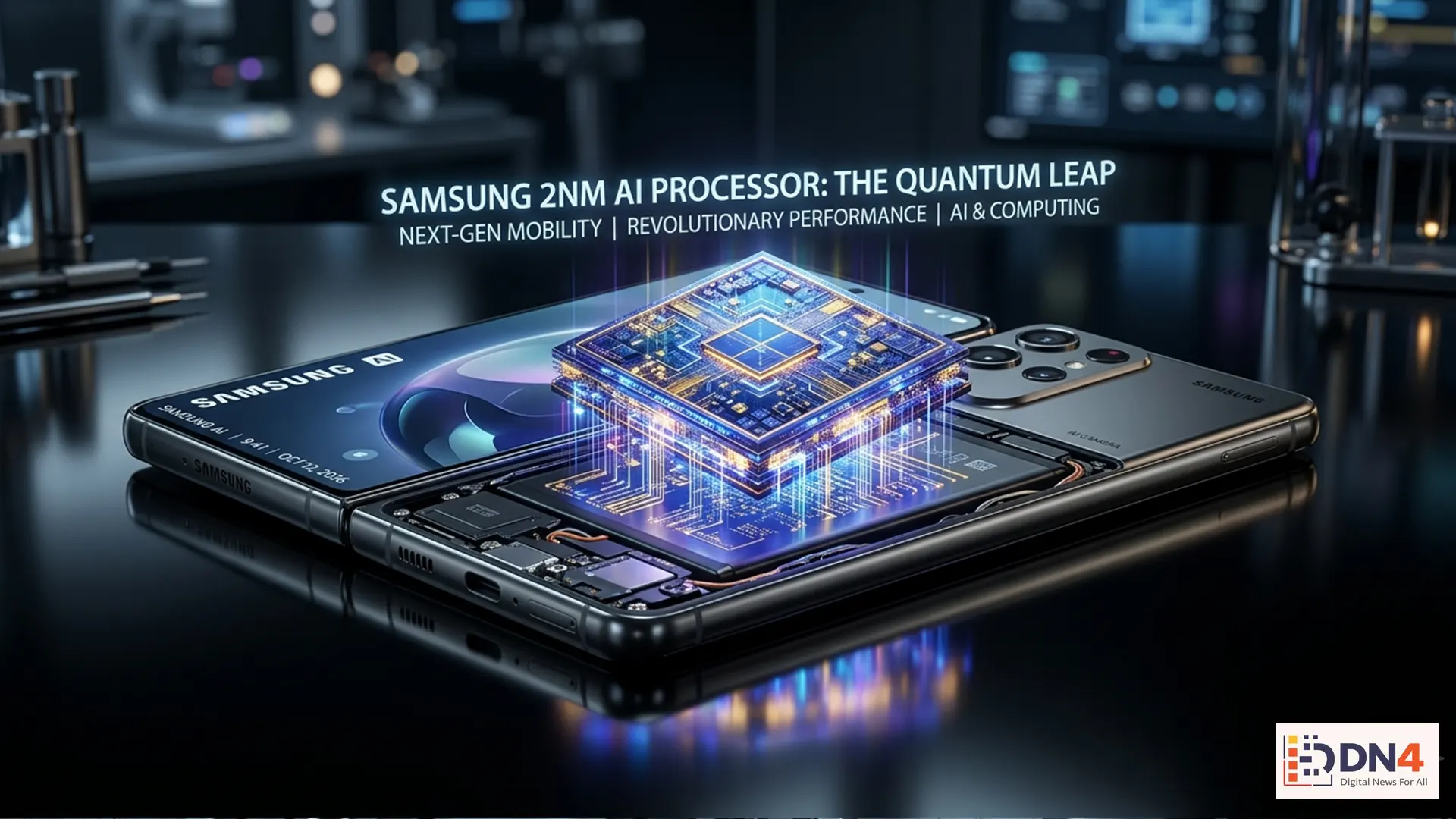
Flagship phones always promise more power. But the Galaxy S26 Ultra’s biggest claim isn’t just that it’s faster — it’s that its new 2nm chip could fundamentally change how premium smartphones perform in the real world.
One month after launch, the hype has started to cool — which is exactly when the real story begins. Because benchmarks are one thing. Daily performance, battery endurance, thermal control, camera processing, and AI responsiveness are something else entirely.
So the big question is simple: is the Galaxy S26 Ultra’s 2nm processor a true leap forward, or just another spec-sheet flex designed to win launch week headlines?
Why the 2nm Chip Matters More Than It Sounds
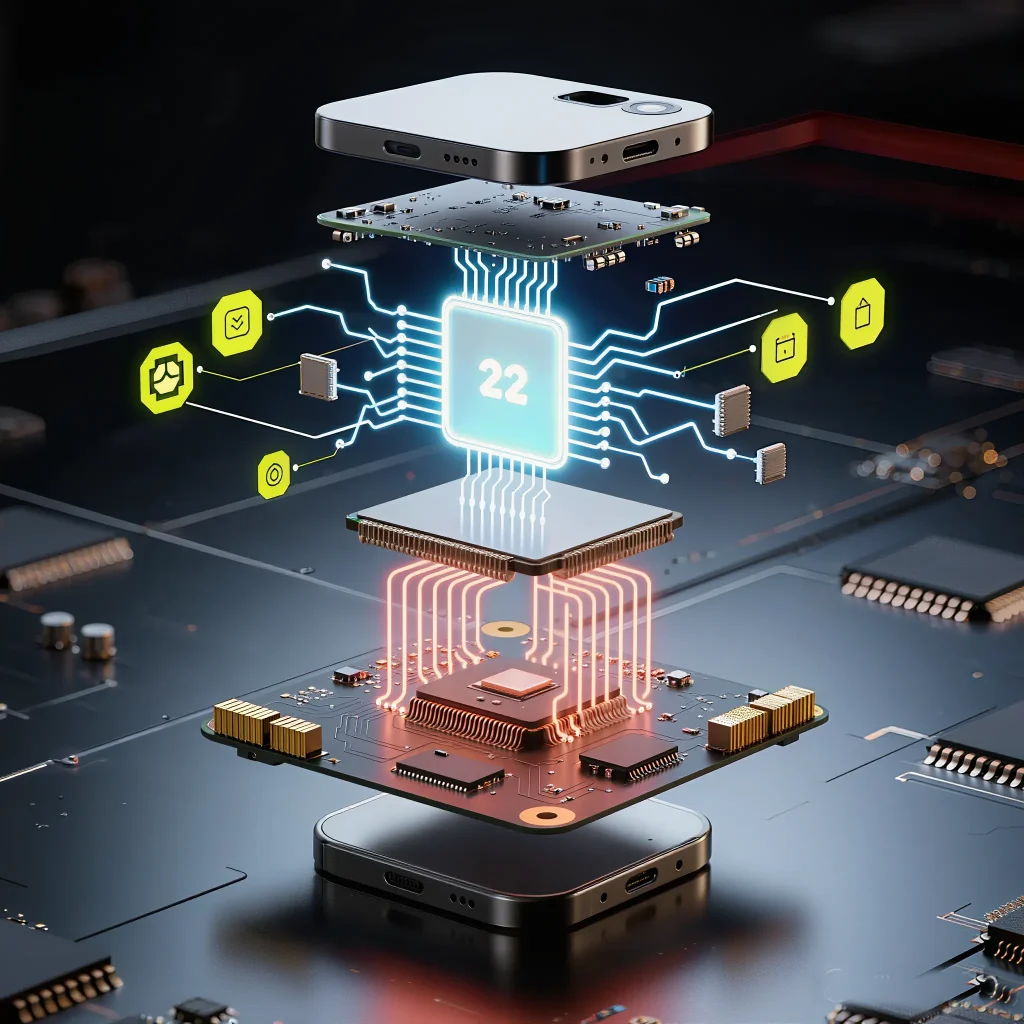
On paper, moving to a 2nm-class chip process sounds like a technical footnote most consumers would ignore. But in smartphones, smaller process nodes can have very real benefits: better power efficiency, improved thermal management, stronger sustained performance, and more room for on-device AI tasks.
That matters because modern flagship phones are no longer judged only by app speed. They’re now expected to run advanced image processing, AI-assisted writing tools, live translation, gaming workloads, and desktop-style multitasking — all without burning through the battery or overheating after ten minutes.
If Samsung’s chip strategy is working, the S26 Ultra should feel less like a yearly refresh and more like a platform shift.
What Early Real-World Use Tells Us
After the first month of real-world usage, the most meaningful difference appears to be consistency, not just peak speed.
That’s a big deal. Most flagship phones already feel fast in the first five minutes. What separates great silicon from marketing silicon is what happens after an hour of use — when the camera app has been opened repeatedly, background AI tasks are running, navigation is active, and the phone is still expected to remain cool and responsive.
In that sense, the Galaxy S26 Ultra’s 2nm platform appears to deliver where it matters most:
- More stable performance during gaming and multitasking
- Better efficiency during mixed daily workloads
- Reduced thermal throttling under sustained load
- Faster AI-powered features running directly on-device
That may sound incremental — but in practice, it’s exactly what power users have been waiting for.
Battery Life Is Where the 2nm Story Gets Real
The biggest reason 2nm matters may not be speed at all. It may be battery life.
Smaller, more efficient chips often translate into better power draw during everyday tasks like messaging, streaming, photography, browsing, and idle background operations. And for many users, that matters far more than synthetic benchmark wins.
One month in, the S26 Ultra’s biggest strength may be that it feels less wasteful. Less random drain, Less heat loss. Less aggressive battery drop during camera-heavy or AI-assisted workflows.
That’s not flashy, but it’s the kind of upgrade people notice after living with a phone for a few weeks.
AI Features Are the Real Stress Test
Perhaps the most important question isn’t whether the chip is faster — it’s whether it’s more useful.
That’s where Samsung’s broader Galaxy AI strategy becomes central. In 2026, premium smartphone chips are increasingly being judged by how well they handle on-device AI: photo enhancement, summarization, transcription, voice tools, contextual suggestions, and privacy-preserving local processing.
The S26 Ultra’s 2nm chip appears designed not just to push graphics or CPU speed, but to make these AI experiences faster, smoother, and more battery-efficient. If that trend continues, the chip’s real value may become more obvious over time — especially as Samsung expands software features through updates.

But Is It Noticeable for Average Users?
Here’s the honest answer: not everyone will feel the difference immediately.
If you mainly use your phone for social apps, casual photography, messaging, and light browsing, the leap from a recent flagship may feel subtle. That’s the reality of modern smartphone maturity — we’re well past the era where every new processor changes daily life overnight.
But for users who push their devices harder — mobile gamers, creators, heavy multitaskers, AI feature adopters, and power users — the S26 Ultra’s silicon upgrade is much easier to appreciate.
That means the 2nm chip is less about “wow factor” and more about headroom: more room for future features, sustained performance, and efficiency under pressure.
What This Means for Samsung’s Bigger Strategy
The Galaxy S26 Ultra may ultimately matter less as a single device and more as a signal of where flagship smartphones are heading next.
As companies race to make AI more personal, private, and instant, on-device computing becomes a strategic advantage. That’s why chip efficiency is no longer just an engineering story — it’s a product strategy story.
In that context, Samsung’s 2nm move isn’t just about beating competitors in speed charts. It’s about building a phone that can support the next wave of AI-first mobile experiences without depending entirely on the cloud.
Yes — But in a Smarter Way Than the Hype Suggests
One month later, the Galaxy S26 Ultra’s 2nm chip does look like a meaningful upgrade — just not in the loud, obvious way many launch-day headlines implied.
It’s a game-changer not because it makes the phone feel magically different in every moment, but because it improves the parts of smartphone performance that actually matter over time: efficiency, thermal stability, sustained speed, and AI readiness.
That may not be the most dramatic kind of innovation. But in 2026, it might be the most important one.
#GalaxyS26Ultra #SamsungGalaxy #2nmChip #SmartphoneReview #MobileTech #AndroidFlagship #SamsungAI #TechReview #FlagshipPhone