

 By Vinod Ram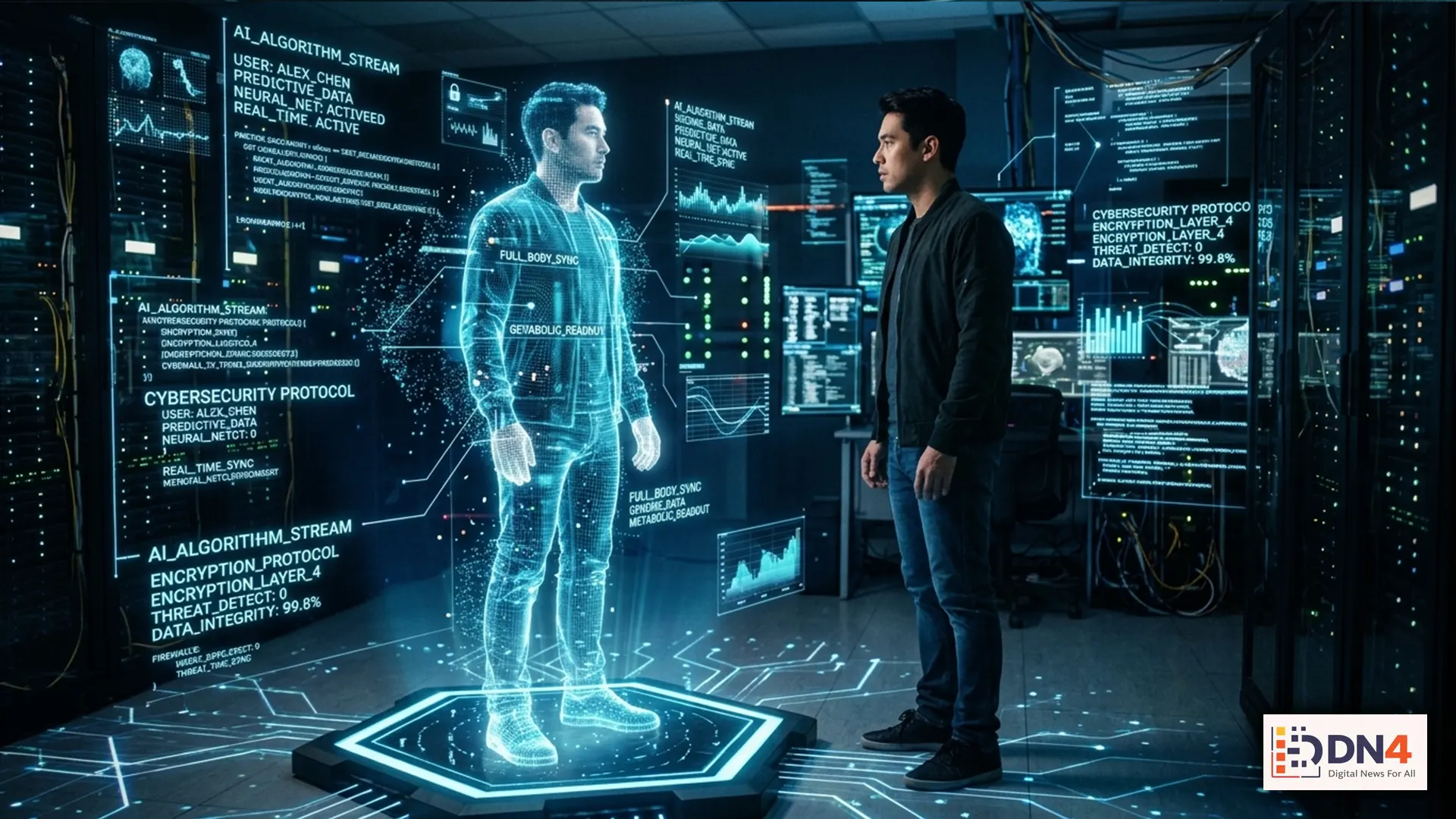
Artificial intelligence is advancing faster than most legal systems can keep up. With powerful generative AI tools capable of recreating voices, faces, and entire personalities, governments around the world are introducing new laws to protect what experts call your “digital twin.”
A digital twin refers to an AI-generated representation of a real person’s identity—often created using images, voice samples, videos, or social media data.
In response to rising concerns over deepfakes and unauthorized digital impersonation, lawmakers in 2026 are introducing stronger likeness protection rules aimed at safeguarding personal identity.
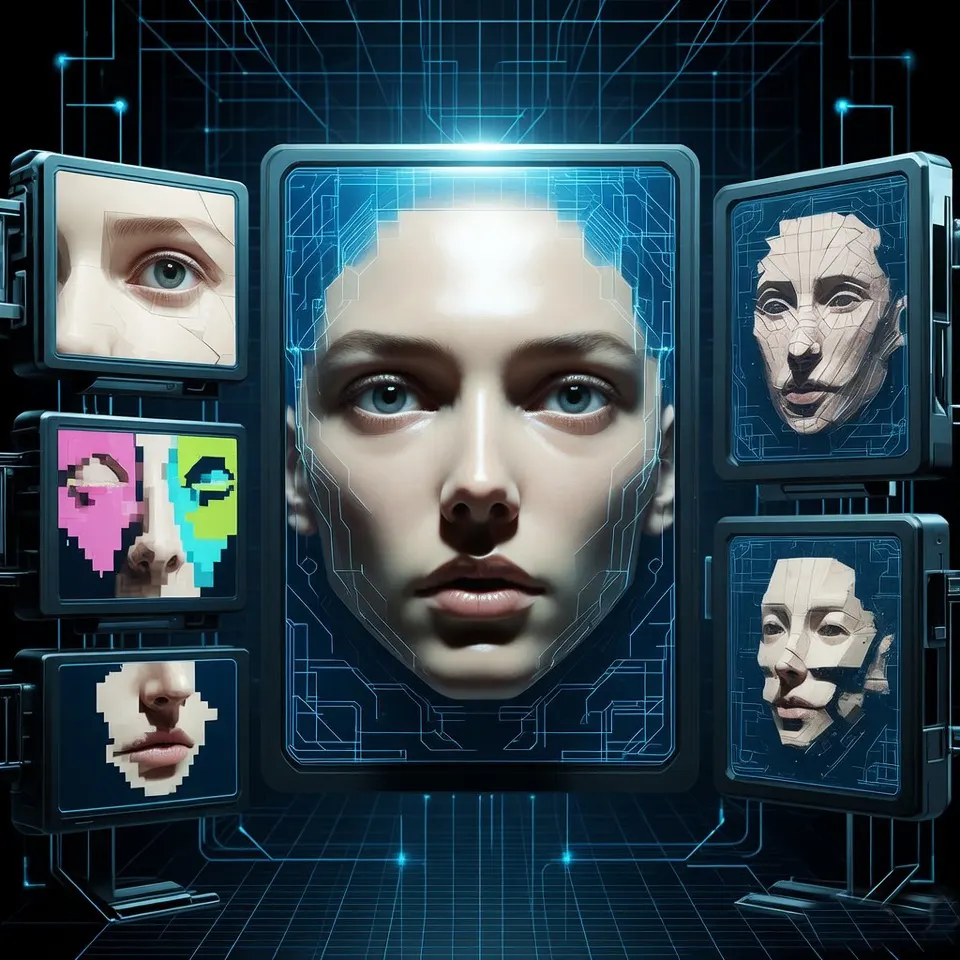
Experts in artificial intelligence and digital ethics have long warned about the misuse of deepfake technology, which can generate highly realistic images or videos of individuals who never actually appeared in the content.
What Is a “Digital Twin” in the Age of AI?
The term digital twin originally came from engineering and manufacturing, where it referred to a digital replica of a physical object.
Today, the concept has expanded to include human identities. AI systems can analyze publicly available data—photos, interviews, recordings—and reconstruct a convincing digital version of a person.
Technologies used to build these replicas rely heavily on advancements in artificial intelligence and machine learning.
While these tools have positive uses in entertainment, education, and accessibility, they also raise serious concerns about identity theft, misinformation, and reputational harm.
Why New Likeness Laws Are Emerging in 2026
In recent years, celebrities, influencers, and even private individuals have discovered their likeness being used without consent in AI-generated advertisements, videos, and social media posts.
Governments are now responding with updated digital identity protections.
Legal scholars studying AI regulation note that these laws focus on three main protections:
- Preventing unauthorized AI recreations of a person’s face or voice
- Granting individuals ownership rights over their digital likeness
- Creating penalties for companies or creators who misuse AI identity tools
Policy research organizations such as the Brookings Institution have highlighted the need for modern legal frameworks to manage AI-generated content responsibly.
The Growing Threat of AI Deepfakes
Deepfake technology has improved dramatically over the past decade.
Advanced AI models can now replicate facial expressions, voice tone, and even emotional nuance with remarkable accuracy.
These tools have legitimate applications in filmmaking and gaming, but they also create opportunities for fraud, harassment, and misinformation.
Cybersecurity analysts often reference cases documented by organizations like INTERPOL when discussing how digital identity manipulation can be used in scams or influence campaigns.
How the New Laws Protect Individuals
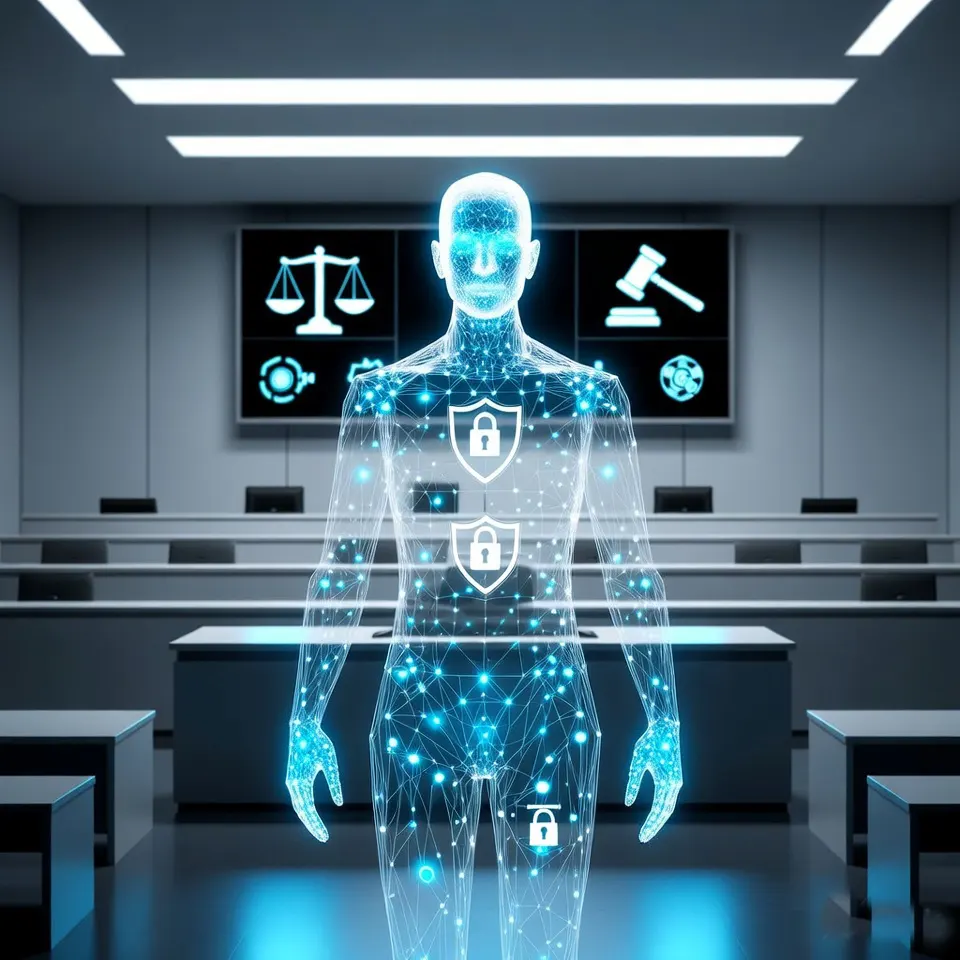
The new generation of likeness protection laws typically focuses on consent.
Under emerging regulations, companies and AI developers may be required to obtain explicit permission before using someone’s image, voice, or identity to create synthetic media.
In some jurisdictions, individuals will also gain the right to demand removal of AI-generated content that imitates them without authorization.
Legal experts believe these protections could become as important as traditional copyright and privacy laws.
What This Means for the Future of AI
As AI technology continues evolving, the balance between innovation and personal rights will remain a central challenge.
Supporters of digital twin protection argue that stronger laws will encourage responsible AI development while protecting individuals from exploitation.
Meanwhile, technology companies are working to build detection tools that identify synthetic media and label AI-generated content.
For everyday internet users, the message is clear: your digital identity is becoming one of your most valuable assets.
#DigitalTwin #AIRegulation #DeepfakeProtection #TechLaw #ArtificialIntelligence #DigitalIdentity