

 By Vinod Ram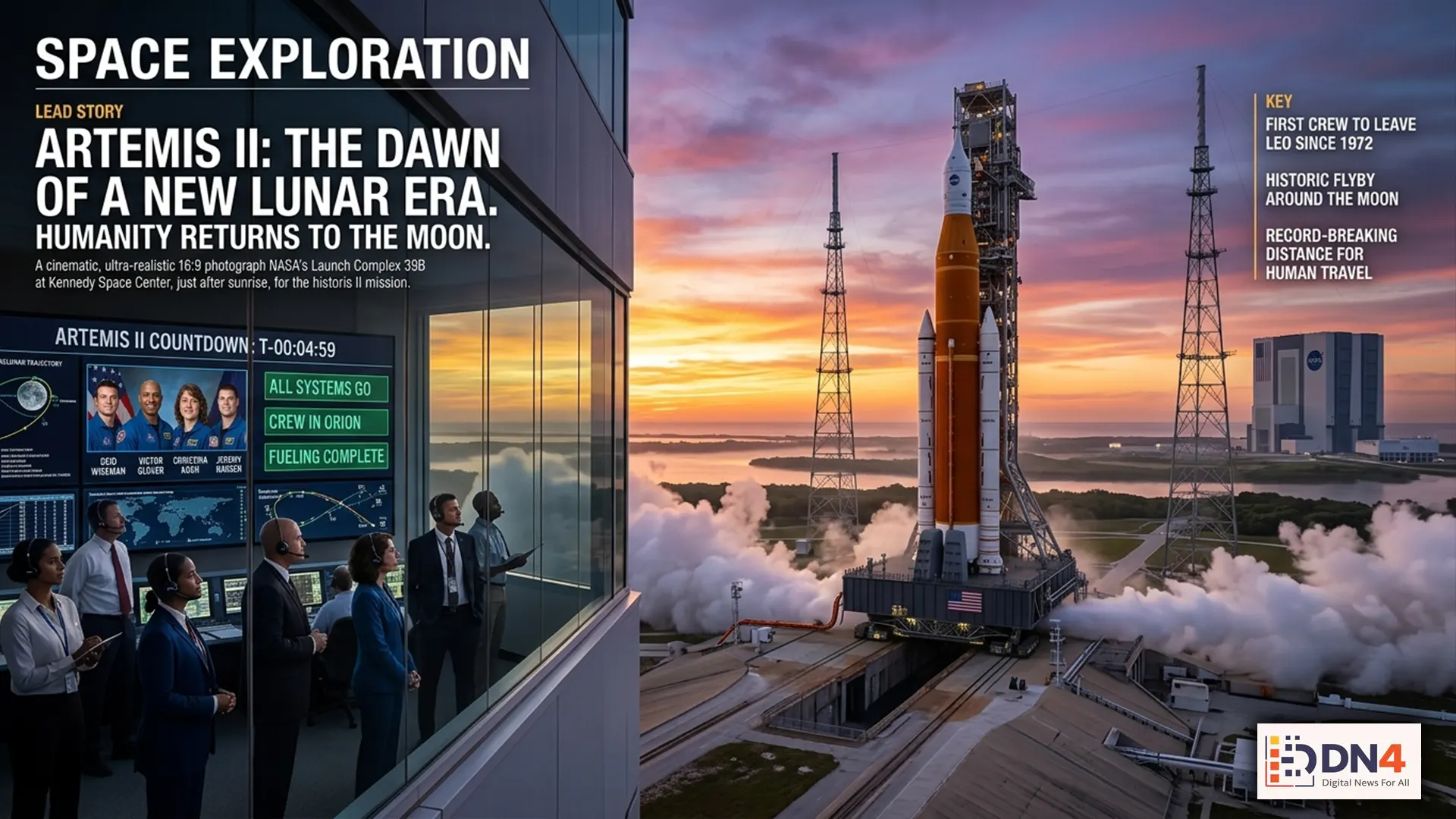
Tomorrow’s Artemis II launch is more than just another rocket liftoff. It is one of the most important milestones in modern spaceflight — the first crewed mission in NASA’s Artemis era and a major step toward returning humans to the Moon for the first time in more than half a century.
If all goes to plan, Artemis II will send astronauts around the Moon and back, testing the systems, technology, and mission architecture that could shape the future of human exploration far beyond low Earth orbit.
For space enthusiasts, this is history in motion. For everyone else, it is the clearest sign yet that the next great chapter of lunar exploration is no longer theoretical — it is happening now.
What Exactly Is Artemis II?
Artemis II is NASA’s first crewed mission under the Artemis program, the long-term initiative designed to return humans to the Moon and eventually help pave the way for missions to Mars.
Unlike Apollo-style lunar landings, Artemis is being built as a broader exploration system. It includes the Orion spacecraft, the Space Launch System (SLS), future lunar surface operations, and infrastructure such as the planned Gateway station in lunar orbit.
Artemis II is the next critical test after Artemis I, which successfully sent an uncrewed Orion capsule around the Moon in 2022. This time, humans are going along for the ride.
Who Is on the Artemis II Crew?
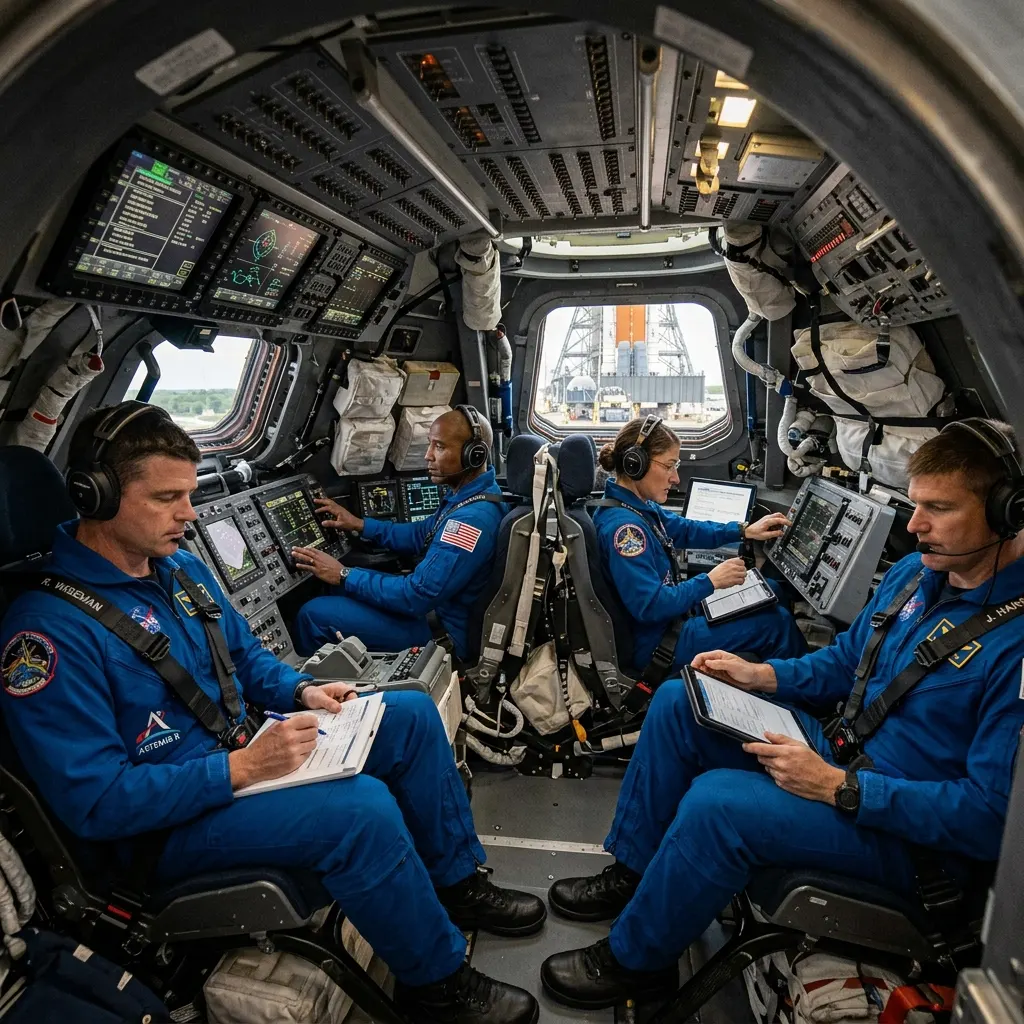
NASA selected a four-person crew for the mission, representing both American and international spaceflight cooperation. The Artemis II astronauts are:
- Reid Wiseman – Commander
- Victor Glover – Pilot
- Christina Koch – Mission Specialist
- Jeremy Hansen – Mission Specialist, representing the Canadian Space Agency
This lineup is historically significant on its own. It reflects a more globally representative era of space exploration and underscores how Artemis is being positioned not just as a U.S. mission, but as a broader international project with long-term geopolitical and scientific implications.
What Will Artemis II Actually Do?
Artemis II is not a Moon landing mission. Instead, it is a crewed lunar flyby designed to validate mission systems under real human spaceflight conditions.
That includes testing:
- Life support systems aboard Orion
- Deep-space communication and navigation
- Crew operations during extended flight
- High-speed reentry systems for Earth return
- Launch, separation, and mission-critical safety protocols
The mission will send the crew on a free-return trajectory around the Moon before bringing them back to Earth. This path is strategically important because it uses the Moon’s gravity to help guide the spacecraft home, creating a safer and more efficient mission profile.
In other words, Artemis II is the dress rehearsal for the lunar return era.
Why This Launch Matters So Much
To understand the significance of Artemis II, you have to zoom out. Human beings have not traveled beyond low Earth orbit since the Apollo era. That means Artemis II is not just another mission — it is a reactivation of deep-space human exploration.
It matters for several reasons:
- It restores human lunar capability after decades of pause.
- It validates the technology needed for future Moon landings.
- It strengthens international cooperation in space policy and exploration.
- It builds momentum toward Mars and longer-duration human missions.
In practical terms, Artemis II is the bridge between symbolic ambition and operational reality.
The Bigger Stakes: Moon Race 2.0
Artemis II is also unfolding in a much more competitive global environment than Apollo ever did. Space is once again becoming a major geopolitical arena, with the United States, China, and other powers increasingly focused on lunar access, orbital infrastructure, and long-term strategic presence beyond Earth.
That means Artemis is not just about science or inspiration. It is also about leadership.
The Artemis program has already become a major pillar of U.S.-led space diplomacy through the Artemis Accords, which set out principles for peaceful exploration, interoperability, and responsible behavior in space. Missions like Artemis II help translate those principles into visible action.
What to Watch on Launch Day
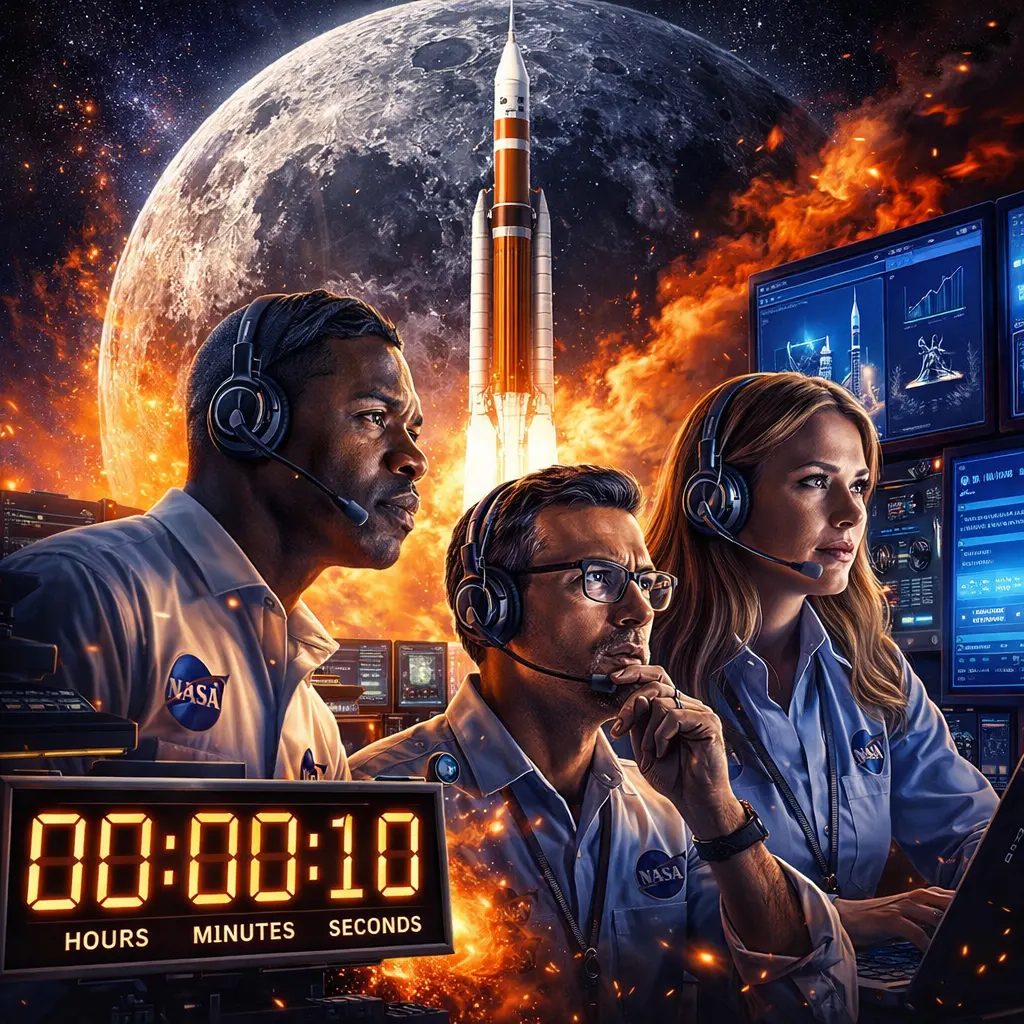
If you are planning to follow the mission, launch day is about more than the moment of liftoff. Some of the most important milestones happen before and after the rocket clears the tower.
Key things to watch include:
- Final countdown and weather checks
- SLS ignition and booster separation
- Orion spacecraft deployment
- Crew communications after orbit insertion
- Initial mission systems confirmation
NASA’s live mission coverage is expected to draw major global viewership, not just from the science community but from a broader public increasingly interested in the future of human spaceflight.
Why Artemis II Feels Bigger Than Space News
There are some missions that stay inside the science pages. Artemis II is not one of them.
This launch touches something deeper: national ambition, human curiosity, technological optimism, and the enduring idea that exploration still matters in a fractured and distracted age. In that sense, Artemis II is not only a NASA mission. It is a cultural event.
It asks a very old question in a very modern way: what happens when humans decide to go farther?
With just one day to go, Artemis II represents one of the most important launches of the decade. It is the first human step in a renewed journey to the Moon — and possibly the opening act of the next great era in space exploration.
Tomorrow’s launch is not the finish line. It is the ignition point.
And if Artemis II succeeds, the path back to the Moon will feel more real than it has at any point since Apollo.
#ArtemisII #NASA #MoonMission #SpaceExploration #ArtemisProgram #OrionSpacecraft #LunarMission #FutureOfSpace