

 By Vinod Ram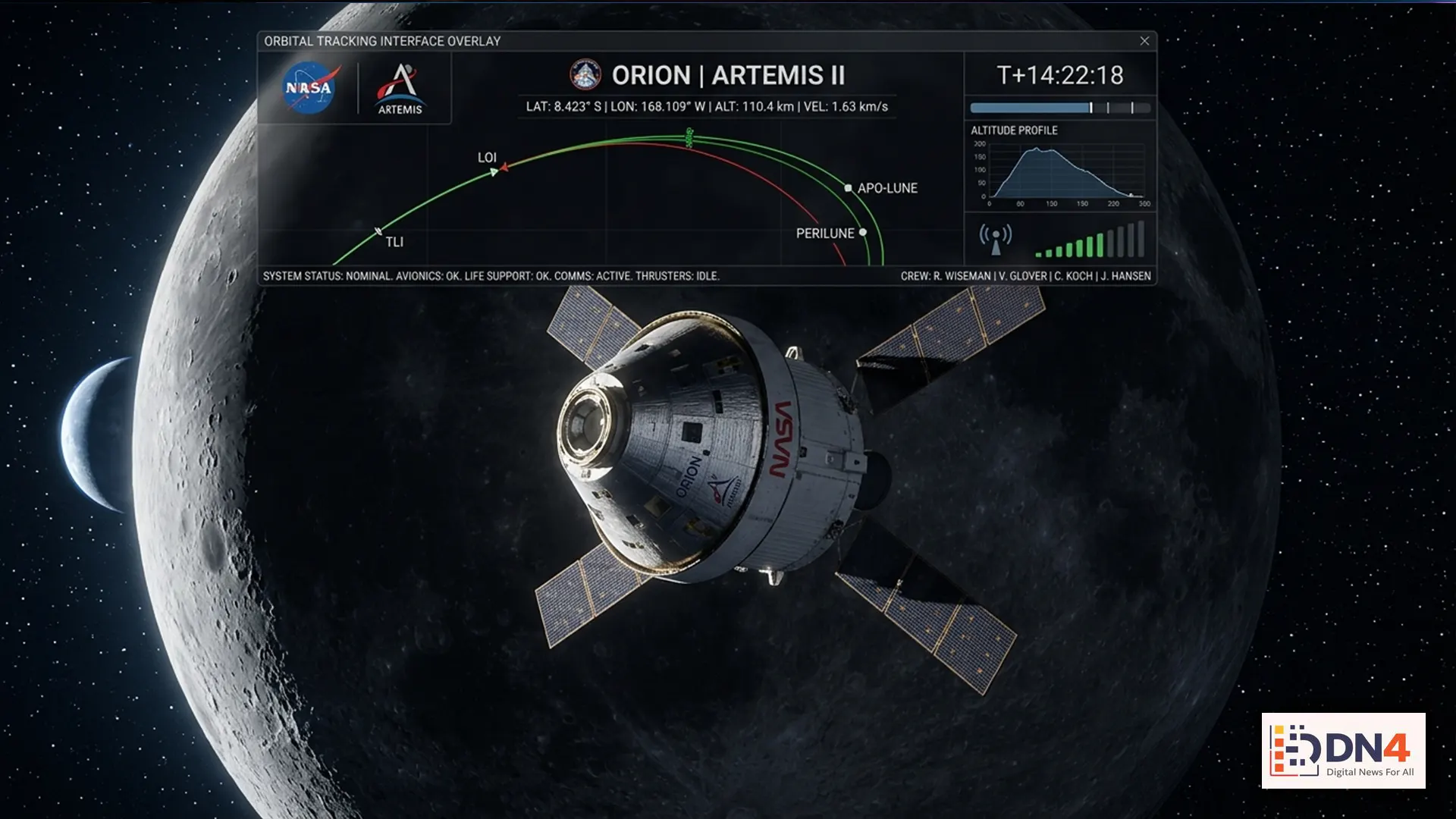
The next giant leap toward the Moon isn’t science fiction anymore — it’s logistics, hardware, scheduling, testing, and patience. And that’s exactly why so many people are asking the same question right now: Where is Artemis 2 now?
NASA’s first crewed mission of the modern Artemis program carries enormous symbolic weight. It’s not just another launch on the calendar — it’s a critical bridge between the uncrewed test successes of Artemis I and the long-term goal of returning humans to the lunar surface.
That means every delay, test, milestone, and systems update matters.
Why Artemis 2 Is So Important
Artemis 2 is expected to be the first mission in the Artemis era to send astronauts around the Moon and back, using NASA’s Space Launch System (SLS) rocket and the Orion spacecraft.
That alone makes it historic. But what really raises the stakes is this: Artemis 2 is the mission that has to prove the system is ready for people, not just payloads.
Every component — crew safety systems, navigation, communications, mission operations, launch integration, and spacecraft performance — has to hold up under real human mission conditions.
In other words, Artemis 2 isn’t just about getting to space. It’s about proving that NASA can reliably build the road back to deep-space human exploration.
So… Where Is Artemis 2 Right Now?
At this stage, Artemis 2 is best understood as a mission in active preparation rather than a simple “waiting for launch” scenario.
NASA has been advancing through the kind of detailed, often underappreciated work that makes major crewed spaceflight possible:
- Spacecraft integration and systems checks
- Heat shield and component evaluation
- Launch hardware readiness
- Crew mission preparation
- Timeline coordination across multiple mission teams
That may not sound cinematic, but this is exactly what “real-time” mission progress looks like before a major launch: thousands of technical decisions, safety reviews, and schedule adjustments happening long before the public sees a rocket leave the pad.
For official updates, NASA’s Artemis blog and its latest news releases remain the best sources for milestone tracking.
Why Space Mission “Delays” Aren’t Always Bad News
One of the biggest misunderstandings in space coverage is the assumption that schedule movement automatically means failure or dysfunction.
That’s rarely true for human spaceflight.
In fact, missions like Artemis 2 are supposed to move carefully. The more ambitious and human-critical the mission, the more schedule flexibility becomes part of responsible execution.
NASA is not just trying to launch a rocket. It’s trying to launch astronauts on a high-visibility, technically demanding lunar mission where the tolerance for preventable risk is effectively zero.
That’s why launch timing should always be viewed through the lens of readiness, not impatience.
Coverage from sources like Space.com, Ars Technica Science, and National Geographic Science often helps contextualize why mission pacing is such a central part of modern space operations.
What Happens After Artemis 2?
That’s part of what makes this mission so important.
Artemis 2 is not an endpoint. It’s a proving mission for everything that comes next — especially Artemis 3, the mission intended to return astronauts to the lunar surface.
If Artemis 2 goes well, it helps validate:
- NASA’s deep-space human flight architecture
- The operational readiness of Orion and SLS
- Future crewed lunar mission planning
- The broader political and scientific credibility of the Artemis roadmap
That means Artemis 2 is doing more than making history. It’s helping determine whether the modern Moon era can become sustainable.
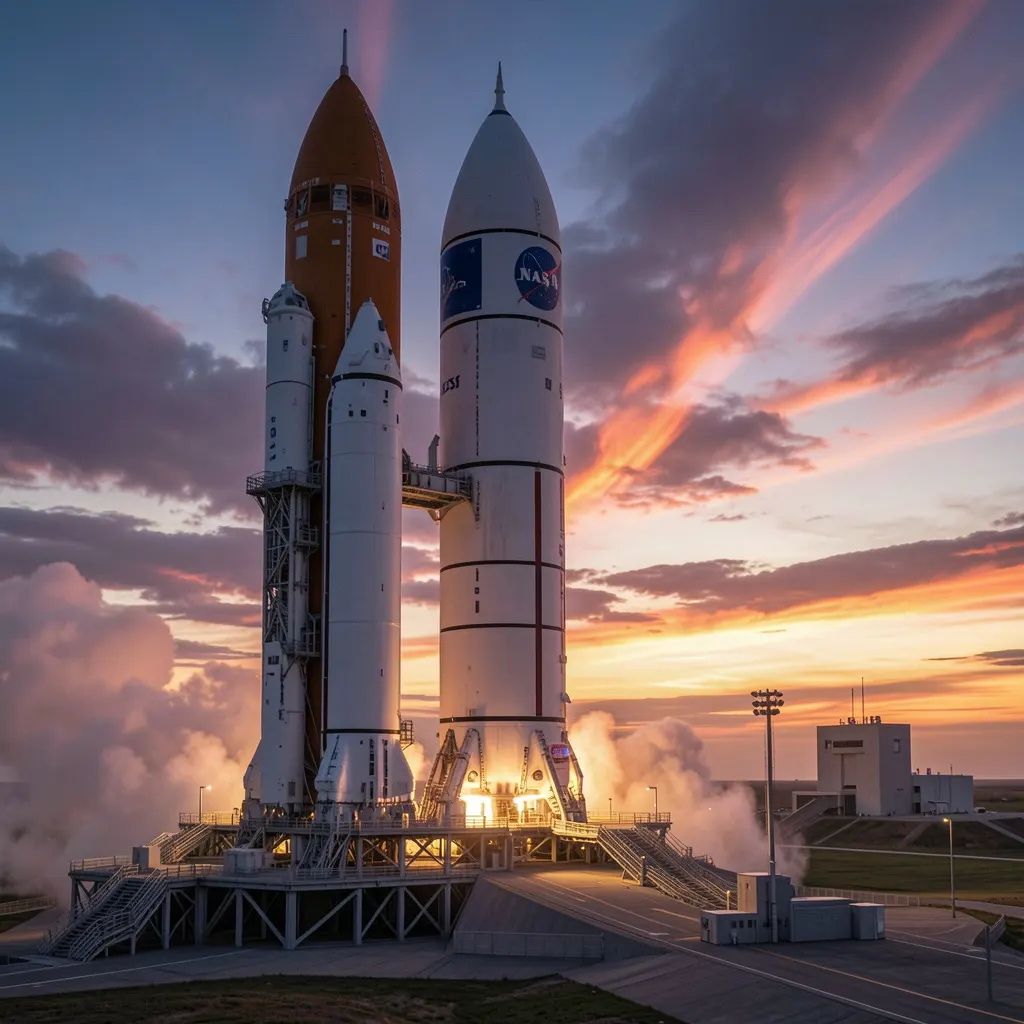
Why People Are So Invested in This Mission
Because Artemis 2 feels like a threshold moment.
It sits at the intersection of nostalgia and future ambition — a mission rooted in Apollo-scale symbolism, but aimed at a much more long-term vision of human presence beyond Earth.
That’s why public attention remains so high. Artemis 2 doesn’t just represent a launch. It represents whether this generation will actually witness the beginning of a new chapter in crewed exploration.
Where is Artemis 2 now? It’s in the most important part of any major human space mission: the part where everything is being tested, verified, assembled, reviewed, and prepared for the moment it matters most.
That may not look dramatic on a daily basis, but it’s exactly where history gets built.
And when Artemis 2 finally launches, it won’t just mark another NASA mission. It will mark the moment the road back to the Moon becomes undeniably real.
#Artemis2 #NASA #MoonMission #SpaceExploration #ArtemisProgram #OrionSpacecraft #SLS #LunarMission #SpaceNews #NASAUpdate #MoonLanding