

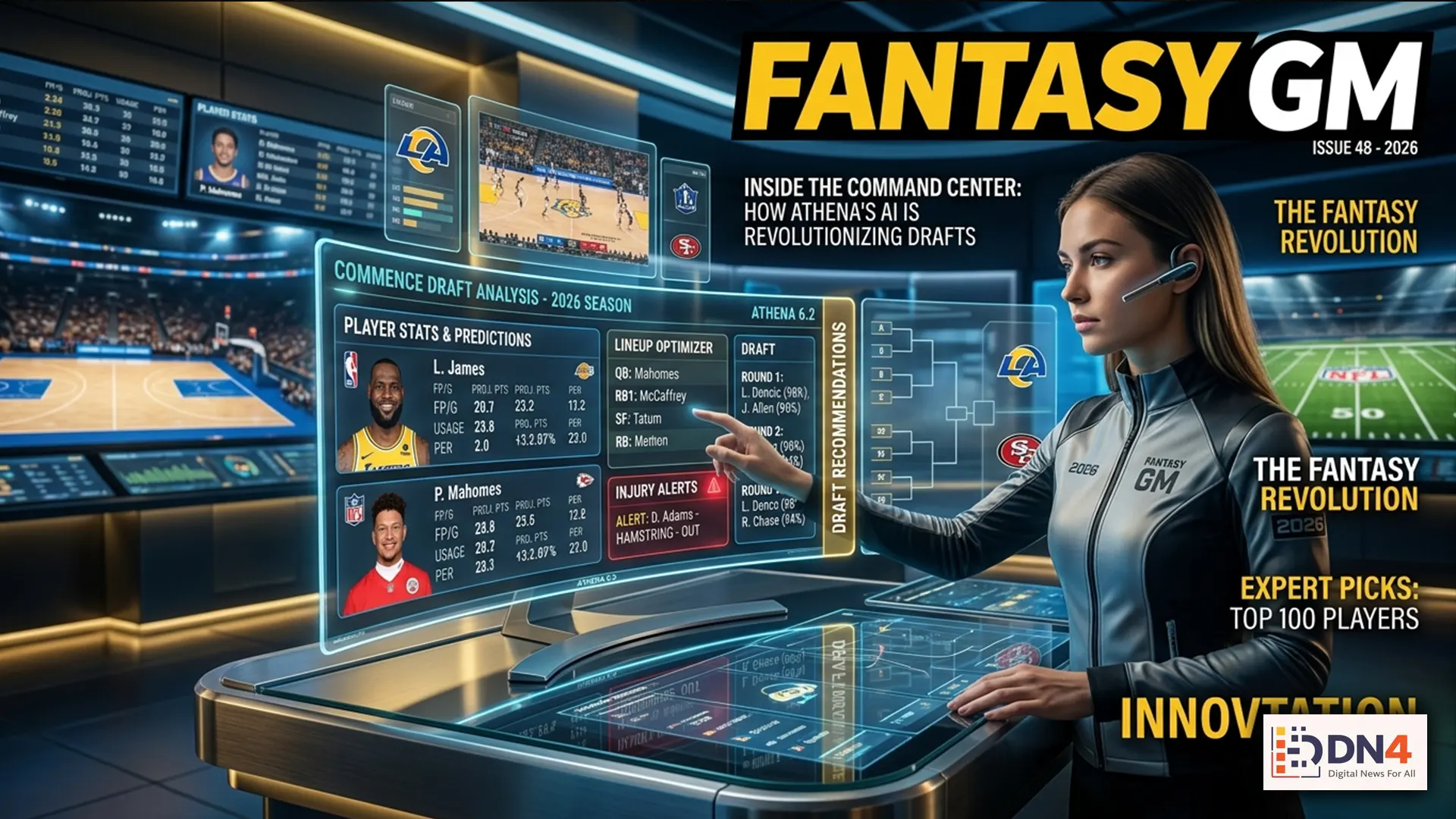
Fantasy sports has always rewarded the obsessed: the managers who stay up late tracking injury reports, studying matchups, and chasing the next breakout sleeper. But in 2026, the competitive edge is shifting. The best managers are no longer just watching games — they’re using AI agents to outthink their leagues.
These tools are moving far beyond basic projections. Today’s fantasy AI can analyze player usage trends, simulate weekly outcomes, optimize waiver priorities, and even explain why a move makes sense based on matchup context, injury probability, and game environment.
In other words, fantasy sports is entering its most data-driven era yet — and managers who ignore AI may soon be playing from behind.
According to developments across the broader AI ecosystem, tools powered by large language models, machine learning systems, and predictive analytics are rapidly reshaping how consumers make decisions — and fantasy sports is one of the most obvious frontiers.
What Exactly Is an AI Agent in Fantasy Sports?
An AI agent is more than a chatbot with sports opinions. In the fantasy context, it’s a system that can:
- Ingest player stats, injuries, schedules, and matchup data
- Evaluate roster construction and positional weaknesses
- Recommend optimal draft picks or lineup changes
- Prioritize waiver wire targets based on league settings
- Adapt strategy week by week based on new information
Think of it as your personal assistant, analyst, and risk manager — all rolled into one.
Instead of manually jumping between stat pages, injury feeds, and rankings, AI agents can synthesize that information in seconds. Platforms increasingly integrate advanced analytics similar to what fans already see on resources like Pro Football Reference, Basketball Reference, and FanGraphs.
Why 2026 Feels Like a Tipping Point
AI in fantasy sports isn’t brand new. Projection engines and ranking tools have existed for years. What’s changed is the leap from static analysis to interactive, adaptive strategy.
In 2026, AI agents are getting better at handling the messy reality of fantasy sports:
- Late injury designations
- Changing coaching tendencies
- Role volatility and snap share swings
- Back-to-back scheduling impact
- Weather and game-script probability
That evolution mirrors what’s happening across sports media and front-office analytics, where teams themselves increasingly rely on sports data intelligence and real-time performance tracking.
For fantasy managers, that means one thing: AI is no longer just a convenience. It’s becoming part of the meta.
How AI Agents Are Changing Every Phase of Your Fantasy Season
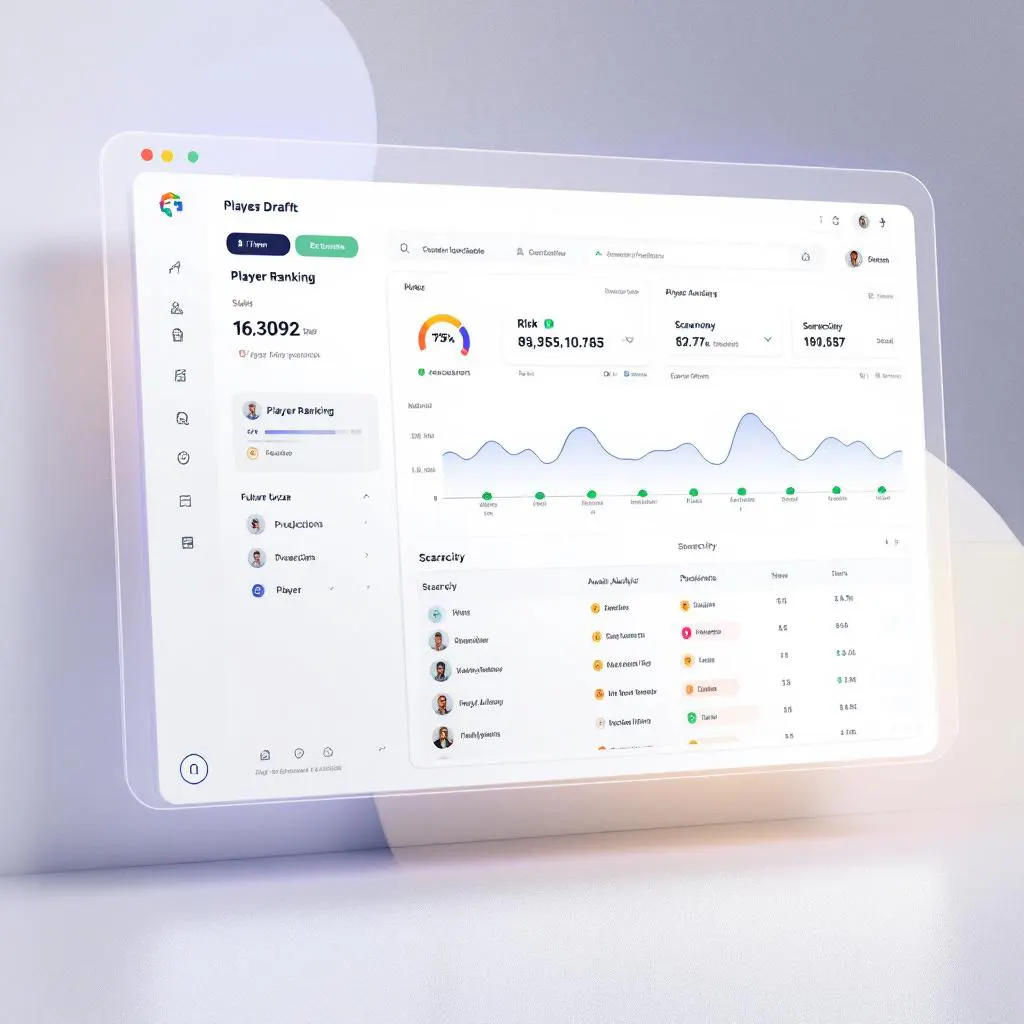
1) Draft Day: From Rankings to Dynamic Decision Engines
Draft season is where most fantasy leagues are won — or at least not lost. Traditionally, managers rely on cheat sheets, tier lists, and instinct. AI agents bring a more nuanced layer.
Instead of simply telling you the “best available player,” an advanced AI draft assistant can factor in:
- Your roster’s current build
- Positional scarcity
- League scoring format
- Risk tolerance
- Opponent draft tendencies
That means your AI might tell you to pass on a slightly higher-ranked player if the better strategic move is to secure positional leverage or reduce weekly volatility.
This becomes especially valuable in formats with superflex, keeper rules, dynasty settings, or advanced point structures where generic rankings often break down.
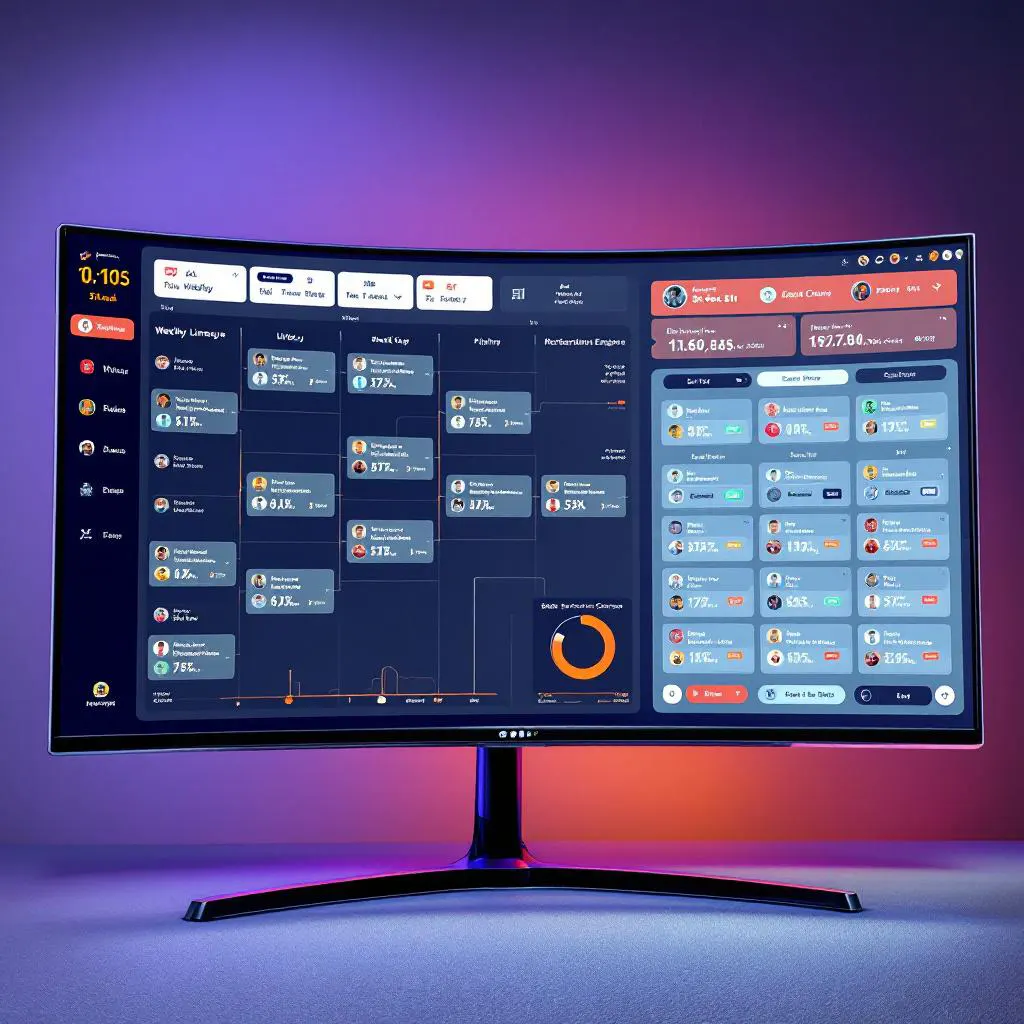
2) Weekly Lineups: Smarter Than Start/Sit Advice
Most fantasy managers have experienced the pain of benching a player right before a breakout game. AI agents aim to reduce that uncertainty — not eliminate it, because sports remains chaotic — but improve the decision process.
A strong AI lineup tool evaluates:
- Projected volume, not just projected points
- Defensive matchup strength
- Red-zone or usage opportunity
- Floor vs ceiling depending on your opponent
- Late-breaking context before kickoff or tipoff
This is where AI starts to feel less like a stat engine and more like a strategic co-manager.
3) Waiver Wire and Free Agency: The Real Competitive Edge
If drafts set your ceiling, waivers often determine your season. And this is arguably where AI agents are becoming most useful.
The best waiver recommendations don’t just identify who scored last week. They surface why a player may be trending upward:
- Role expansion after injury
- Snap share or minutes growth
- Upcoming schedule softness
- Play-calling changes
- Trade or depth chart shifts
Rather than chasing points after the fact, AI helps managers spot actionable signals before the rest of the league reacts.
4) Trades: Better Negotiation, Better Timing
Fantasy trades are often emotional. AI helps bring structure back into the conversation.
A capable AI trade assistant can assess:
- Rest-of-season value
- Playoff schedule strength
- Positional depth
- Risk-adjusted upside
- League-specific scarcity
More importantly, it can help identify when to sell high or buy low before the market catches up.
The Biggest Misconception: AI Won’t “Solve” Fantasy Sports
Here’s the part many managers misunderstand: AI doesn’t guarantee wins.
It can improve process, sharpen timing, and reduce avoidable mistakes. But fantasy sports still includes:
- Random injuries
- Coaching unpredictability
- Game script swings
- Variance and bad luck
That’s actually good news. If AI made fantasy fully deterministic, the game would become boring fast.
The real advantage is that AI helps serious managers make better repeatable decisions over the course of a season — and that edge compounds.
What Smart Fantasy Managers Should Look for in an AI Tool
Not every “AI fantasy assistant” deserves your subscription. Some tools simply repackage old projections with new branding.
Here’s what actually matters:
Look for Context, Not Just Predictions
Good AI should explain why it recommends a move. Blind projections are less useful than reasoning you can evaluate.
Look for League Personalization
Your league settings matter. A useful AI should adapt to scoring format, roster depth, and waiver structure.
Look for Real-Time Adaptability
Fantasy decisions change quickly. Static weekly rankings are no longer enough in highly active leagues.
Look for Risk Awareness
Sometimes the right play is a stable floor. Sometimes it’s a high-upside swing. AI should understand the difference.
Will AI Make Fantasy Sports Less Fun?
That depends on how your league uses it.
Some purists argue that AI takes away the human element. But the same argument was made years ago about advanced stats, matchup tools, and draft software.
In reality, AI doesn’t remove competition — it changes what good competition looks like.
The edge may shift from “who spends the most time manually searching stats” to “who uses tools best and interprets context smartest.”
And honestly? That’s not ruining fantasy. That’s evolving it.
The 2026 Fantasy Manager Will Look More Like a Portfolio Manager
There’s a reason AI in fantasy sports is attracting so much attention: it mirrors how AI is already being used in finance, trading, and decision intelligence.
In both cases, success comes from balancing upside, downside, volatility, timing, and opportunity cost.
The best fantasy managers of 2026 won’t just be fans. They’ll be operators.
They’ll use AI to manage uncertainty, allocate risk, and exploit edges before everyone else sees them.
That doesn’t mean intuition disappears. It means instinct finally gets backup.
Fantasy sports in 2026 is no longer just about who knows the players. It’s about who can process information fastest, identify edges earliest, and make stronger decisions under uncertainty.
That’s exactly where AI agents shine.
The future of fantasy won’t be fully automated. But it will absolutely be augmented.
And if your rivals are already using AI while you’re still relying only on gut feel and last week’s box score, you may already be one step behind.
#AIFantasySports #FantasyFootball #FantasyBasketball #SportsAnalytics #FantasyLeague #AIAgents #SportsTech #MachineLearning #FantasyDraft