


The 6G Internet revolution is already being framed as the leap that will make today’s 5G look like dial-up. Promising ultra-low latency, terabit-per-second speeds, and “AI-native” architecture, 6G isn’t just about faster downloads — it’s about reimagining how networks think.
But when will consumers and businesses actually see these AI-native speeds?
What Does “AI-Native” Really Mean?
Unlike 5G, which primarily enhanced speed and reduced latency, 6G is being designed from the ground up with artificial intelligence embedded directly into network operations.
According to research initiatives supported by the International Telecommunication Union (ITU), AI-native networks will:
- Self-optimize traffic routing in real time
- Predict congestion before it happens
- Enable autonomous device coordination
- Support immersive extended reality (XR) environments
In short, the network won’t just carry data — it will actively manage and interpret it.
How Fast Will 6G Actually Be?
Early projections suggest:
- Speeds up to 1 terabit per second (theoretical peak)
- Latency below 1 millisecond
- Massive machine-type communications for IoT at scale
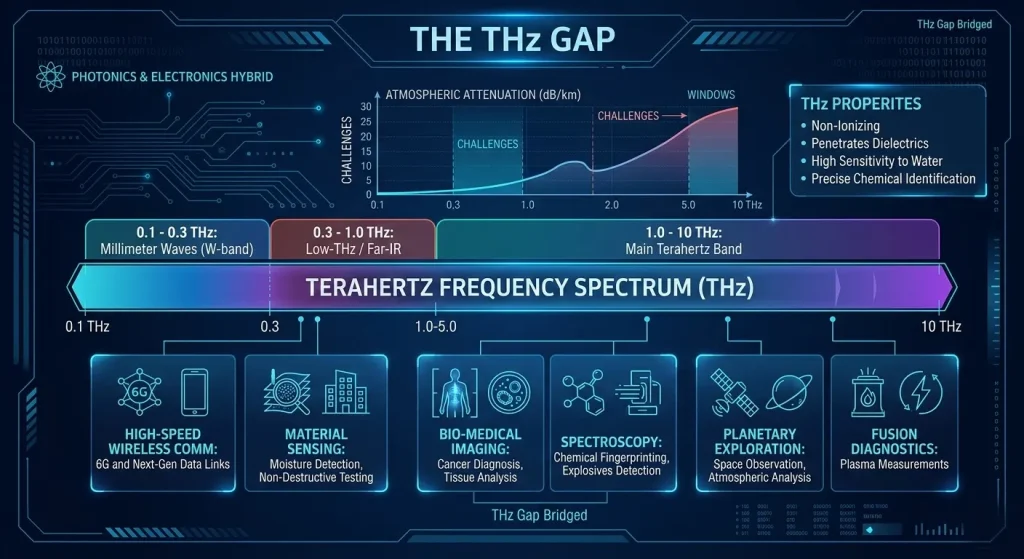
To achieve this, researchers are exploring terahertz spectrum bands. Companies like Nokia and Ericsson are investing heavily in next-generation wireless infrastructure research.
The 6G Timeline: When Is Launch?
Most industry roadmaps suggest:
- 2026–2028: Advanced testing and pilot deployments
- 2028–2030: Initial commercial rollouts in leading tech markets
- Post-2030: Broader global adoption
Governments including the United States, South Korea, Japan, and the European Union have already launched research programs to shape 6G standards.
The U.S. government and global telecom alliances are positioning 6G as both an economic and national security priority.
What Will 6G Enable?
AI-native speeds could unlock:
- Fully autonomous transportation networks
- Real-time holographic communication
- Massive-scale smart cities
- Ultra-precise remote surgery
Unlike 5G’s smartphone-centered rollout, 6G’s biggest impact may be industrial and enterprise-focused.

Challenges Before We Get There
The 6G Internet revolution faces significant hurdles:
- Infrastructure costs in the trillions
- Terahertz signal range limitations
- Energy consumption concerns
- Global spectrum regulation disputes
Terahertz waves, while fast, struggle with long-distance transmission and obstacle penetration — meaning dense micro-network deployments will be necessary.
Will Consumers Notice the Difference?
For the average user, early benefits may include:
- Instant cloud gaming with zero lag
- AI-powered personal assistants operating in real time
- Immersive AR/VR experiences without buffering
However, the most transformative applications may be invisible — operating in logistics, manufacturing, healthcare, and defense systems.
The 6G Internet revolution is real — but widespread AI-native speeds are likely still several years away. While pilot programs may appear before 2030, full global rollout will take longer.
For now, 6G remains the next frontier — promising not just faster connections, but intelligent networks that could redefine the digital world.
#6G #AINetworks #FutureTech #WirelessRevolution #TechInnovation