

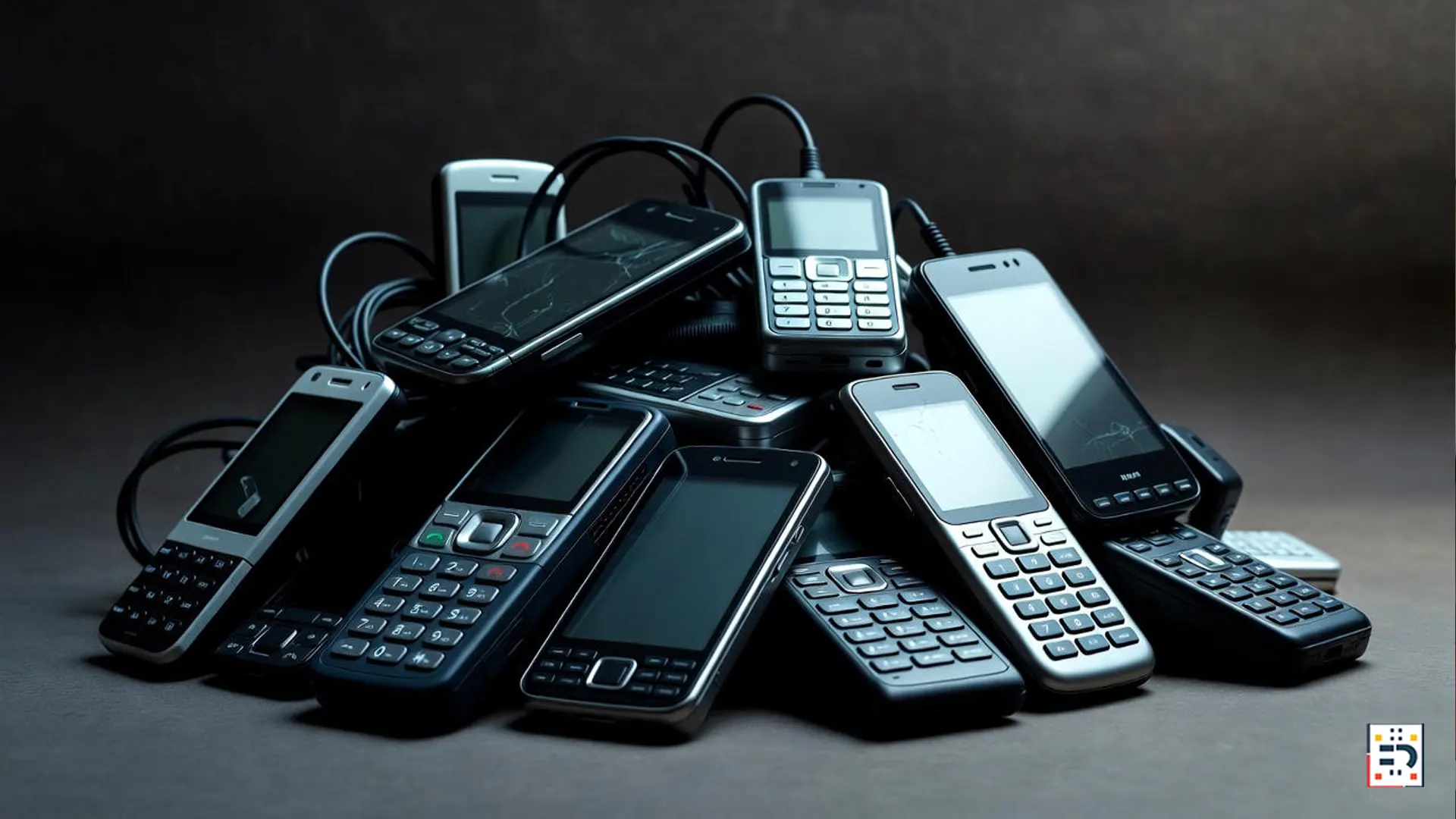
Every year, technology moves forward. At the same time, it quietly leaves certain devices behind. In 2026, that process has accelerated faster than ever, pushing a surprising number of once-essential gadgets into what can only be described as the gadget graveyard.
While some of these devices faded out gradually, others disappeared almost overnight. As a result, consumers are now witnessing a clear shift toward fewer, smarter, and more integrated technologies.
1. Physical Media Players (DVD & Blu-ray)
For decades, DVD and Blu-ray players defined home entertainment. However, streaming services have fundamentally changed how people consume media. Platforms such as Netflix, Disney+, and Max now dominate living rooms worldwide.
As a result, electronics manufacturers have scaled back production. Consequently, physical media players no longer hold a meaningful place in most modern households.
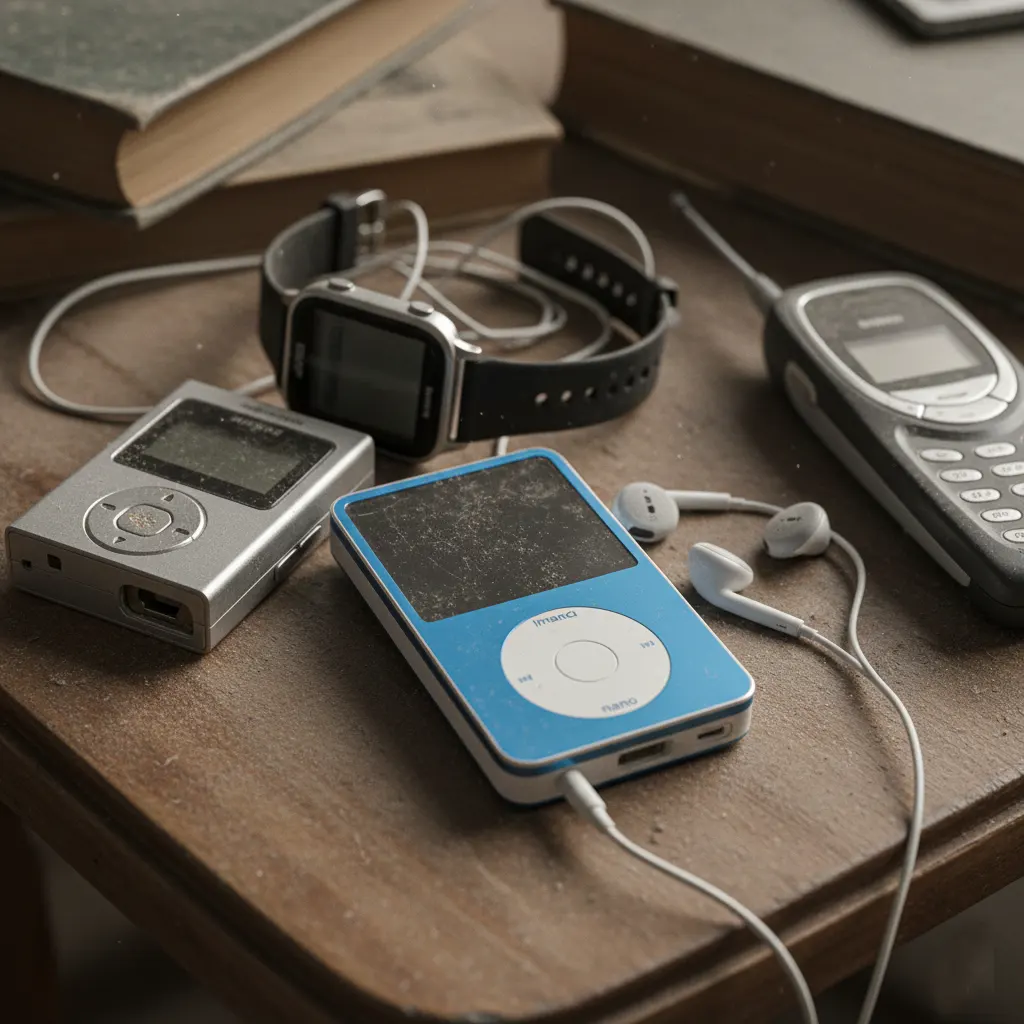
2. Standalone GPS Devices
At one time, standalone GPS units were indispensable for drivers. Today, however, smartphones handle navigation more efficiently. Apps like Google Maps and Waze offer real-time traffic updates, faster rerouting, and constant map improvements.
Because smartphones already sit within arm’s reach, consumers no longer see a reason to maintain a separate navigation device. As a result, standalone GPS units have effectively exited the market.
3. Entry-Level Smartwatches
Initially, basic smartwatches gained popularity by offering step tracking and notifications. However, consumer expectations quickly evolved. Today, buyers demand advanced health insights, longer software support, and deeper ecosystem integration.
Because of this shift, entry-level models struggle to compete with devices like the Apple Watch and Samsung Galaxy Watch. Ultimately, minimal-feature wearables no longer justify their existence.
4. Wired Earbuds (In the Box)
Once standard with every smartphone purchase, wired earbuds have steadily disappeared. Meanwhile, wireless audio has become the default listening experience.
Products like AirPods and Sony wireless headphones deliver better convenience and sound quality. Therefore, manufacturers have little incentive to include wired alternatives.
5. Budget Tablets Without Ecosystems
Cheap tablets once attracted buyers with low prices. However, weak performance and poor software support quickly frustrated users. In contrast, ecosystem-driven tablets now dominate the market.
Platforms such as iPadOS and Android tablets offer long-term updates and app reliability. Consequently, no-name budget tablets continue to vanish from shelves.
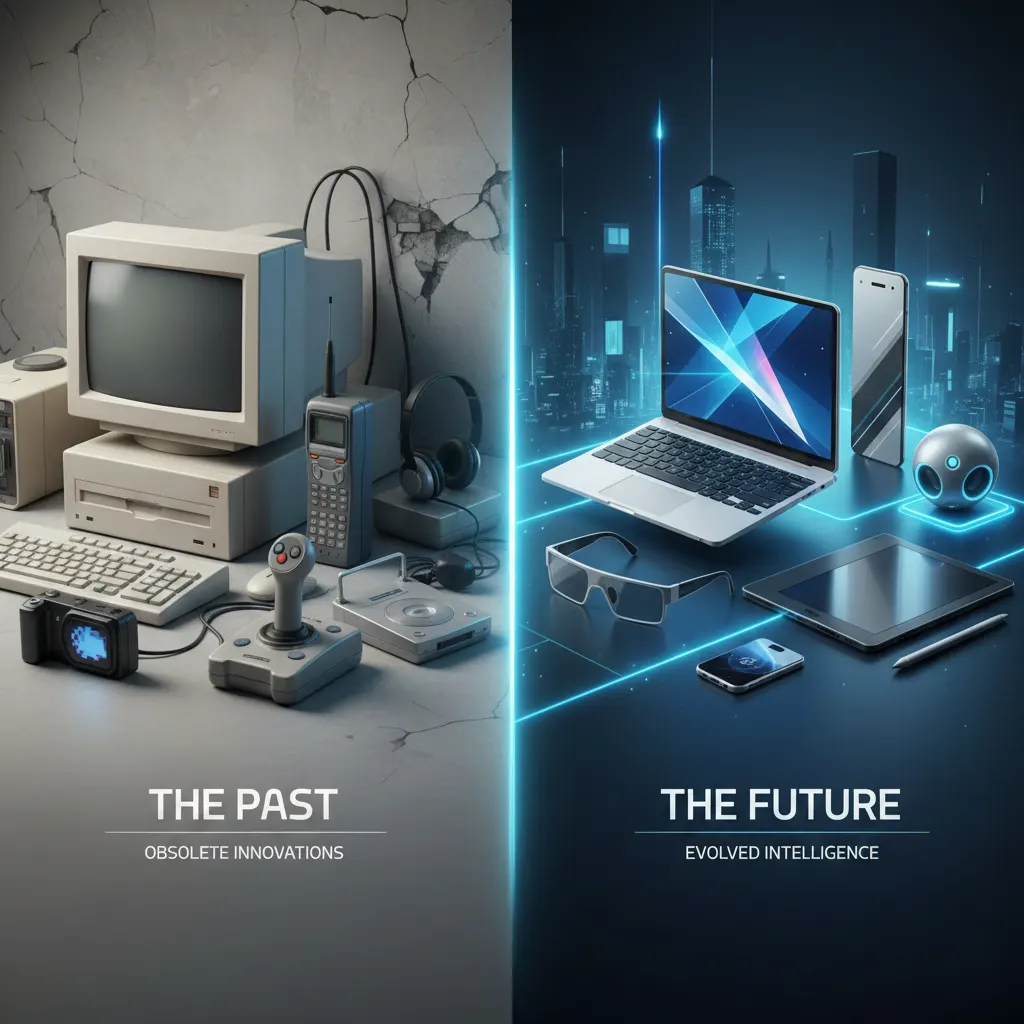
6. Single-Purpose Smart Home Devices
Early smart homes relied on multiple single-function devices. Over time, however, consumers grew tired of clutter and complex setups. As a result, multi-purpose hubs replaced isolated gadgets.
Ecosystems like Amazon Alexa and Google Home now consolidate lighting, security, and automation into fewer devices. Therefore, single-purpose smart tech continues to disappear.
Why These Gadgets Didn’t Survive
Although these gadgets differ, they share common weaknesses. Most lacked software longevity, ecosystem support, or meaningful upgrades.
- Limited updates reduced long-term value
- Single-purpose designs aged quickly
- Smartphones replaced many functions
According to analysis from The Verge, consumers increasingly favor fewer devices that do more. Consequently, specialized gadgets struggle to stay relevant.
Ultimately, the 2026 gadget graveyard reflects progress rather than failure. As technology evolves, outdated devices naturally give way to smarter, more efficient alternatives.
While some gadgets may inspire nostalgia, their exit clears space for tools that better match modern lifestyles. In the end, evolution—not sentiment—drives the future of tech.
#TechTrends #GadgetGraveyard #ObsoleteTech #FutureTech #ConsumerTech #TechNews