

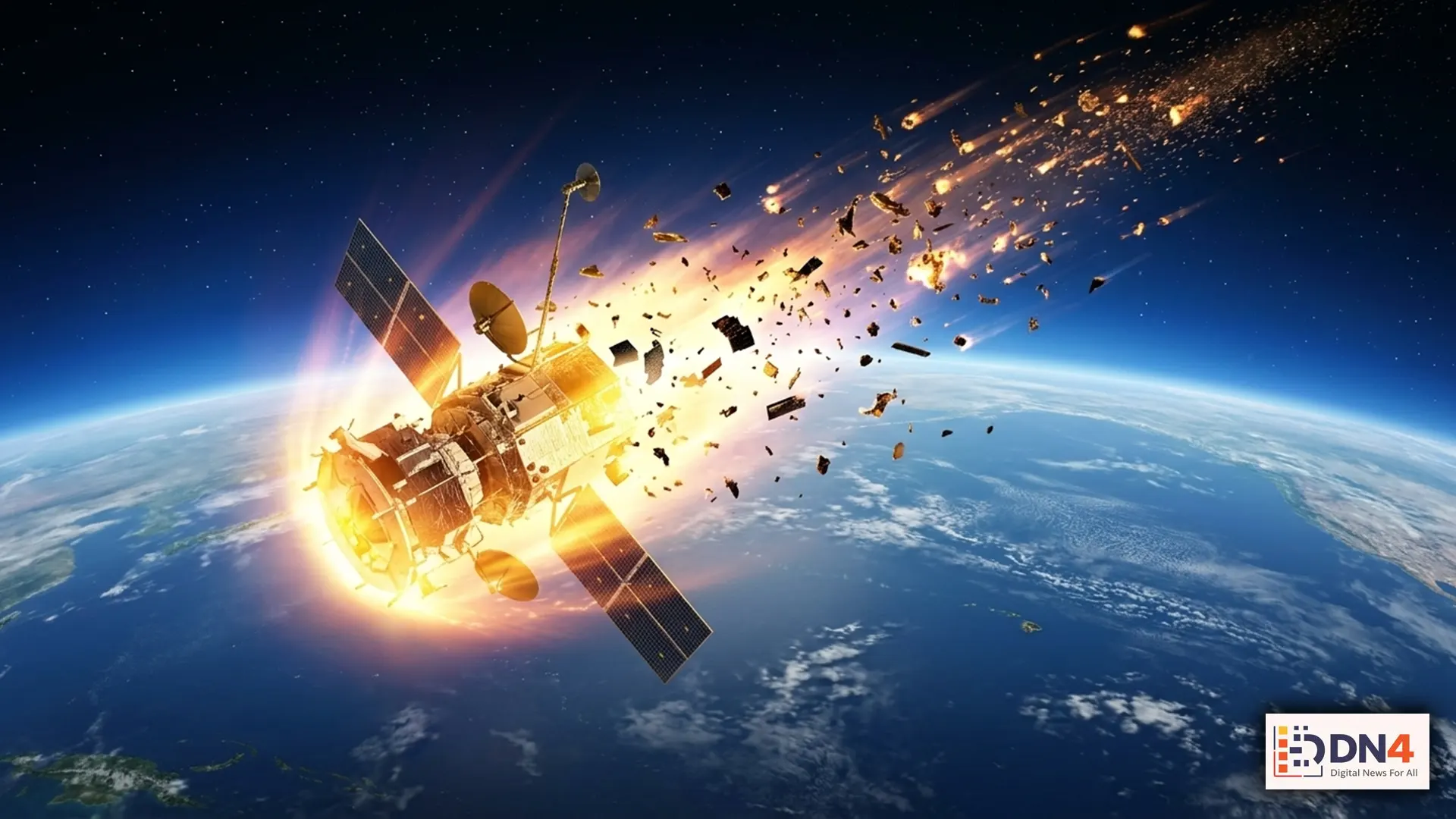
On March 11, a piece of NASA history returned to Earth in dramatic fashion. One of the twin Van Allen Probes — specifically Van Allen Probe A — made an uncontrolled reentry into the atmosphere after more than a decade studying Earth’s radiation belts.
The spacecraft, weighing approximately 1,323 pounds, largely burned up during reentry. However, experts tracking orbital debris believe that some fragments may have survived and fallen into the Pacific Ocean.
While the event itself poses little immediate danger, it highlights a growing challenge for the modern space industry: the increasing number of satellites returning to Earth as orbital conditions change.
What Were the Van Allen Probes?
Launched in 2012 by NASA, the twin Van Allen Probes were designed to study the dangerous radiation belts surrounding Earth.
Named after space scientist James Van Allen, the mission helped scientists better understand how charged particles from the Sun interact with Earth’s magnetic field.
The research has been crucial for protecting satellites, astronauts, and even ground-based infrastructure from solar radiation storms.
Why Satellites Fall Back to Earth
Satellites orbit Earth because they travel fast enough to continuously fall around the planet rather than directly into it.
However, over time, orbital decay gradually lowers a satellite’s altitude.
This happens because Earth’s atmosphere extends much farther into space than many people realize. Even in low Earth orbit, thin atmospheric particles create drag that slowly pulls satellites downward.

Eventually, the satellite descends far enough that atmospheric friction causes it to heat up and disintegrate during reentry.
Why 2026 Could See More Satellite Crashes
Scientists say solar activity plays a major role in orbital decay.
During periods of high solar activity — like the current solar cycle peak expected in 2026 — the Sun heats Earth’s upper atmosphere.
This heating causes the atmosphere to expand, increasing drag on satellites in low Earth orbit.
Space weather experts from organizations like NOAA have warned that the expanding atmosphere may accelerate the decay of many aging satellites.
The Kessler Syndrome Problem
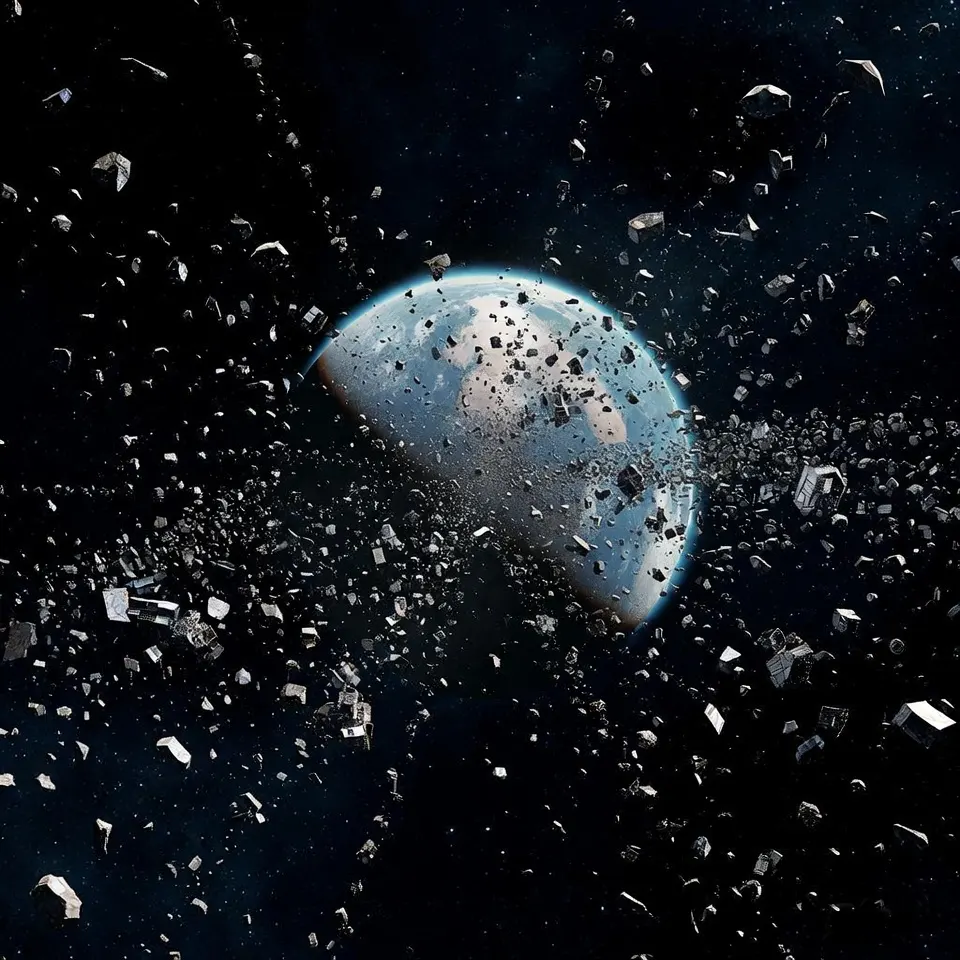
Another concern is the growing amount of debris already orbiting Earth.
Scientists have long warned about the possibility of the Kessler Syndrome — a scenario where collisions between satellites create cascading clouds of debris.
In such a scenario, debris fragments could collide with other spacecraft, generating even more fragments and potentially rendering certain orbital regions unusable.
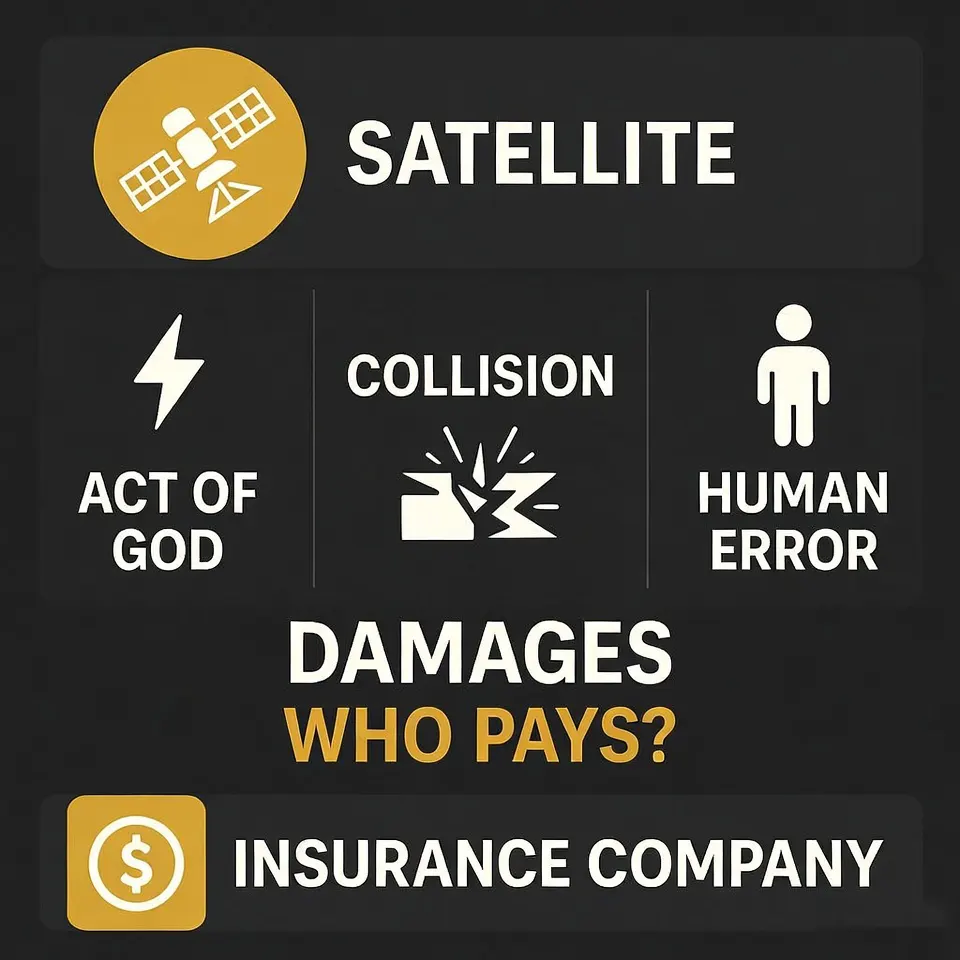
Who Pays If a Satellite Hits Your House?
While extremely rare, satellite debris occasionally reaches the ground.
International law governing such incidents falls under the Outer Space Treaty and the Liability Convention.
These agreements state that the country responsible for launching the spacecraft is legally liable for damages caused on Earth.
However, the rise of private space companies complicates the picture.
Today, a rapidly expanding space insurance industry helps cover the financial risks associated with satellite launches, orbital operations, and reentry events.
Insurance firms analyze risks ranging from launch failures to collisions with debris.
A Growing Industry Challenge
With thousands of satellites now operating in orbit — many launched by companies like SpaceX — the probability of debris incidents is slowly rising.
While most reentering satellites burn up harmlessly, the sheer number of objects entering orbit means insurers and regulators are paying closer attention to orbital sustainability.
A Warning for the Space Economy
The reentry of Van Allen Probe A is not a disaster — but it is a reminder.
As humanity launches more spacecraft than ever before, the long-term management of orbital debris will become one of the defining challenges of the space age.
And as insurers, governments, and scientists all recognize, the cost of ignoring that challenge could eventually fall back to Earth.
The March 11 reentry of the Van Allen Probe marks the end of an important scientific mission, but it also highlights the evolving risks of a crowded orbit.
From orbital decay to the threat of Kessler Syndrome, the future of space exploration may depend as much on debris management as on new rocket launches.
And for the insurance industry, the next era of spaceflight may bring challenges no one predicted when the first satellites were launched decades ago.
#NASA #SatelliteReentry #SpaceDebris #VanAllenProbes #SpaceScience #KesslerSyndrome #OrbitalDecay #SpaceEconomy