

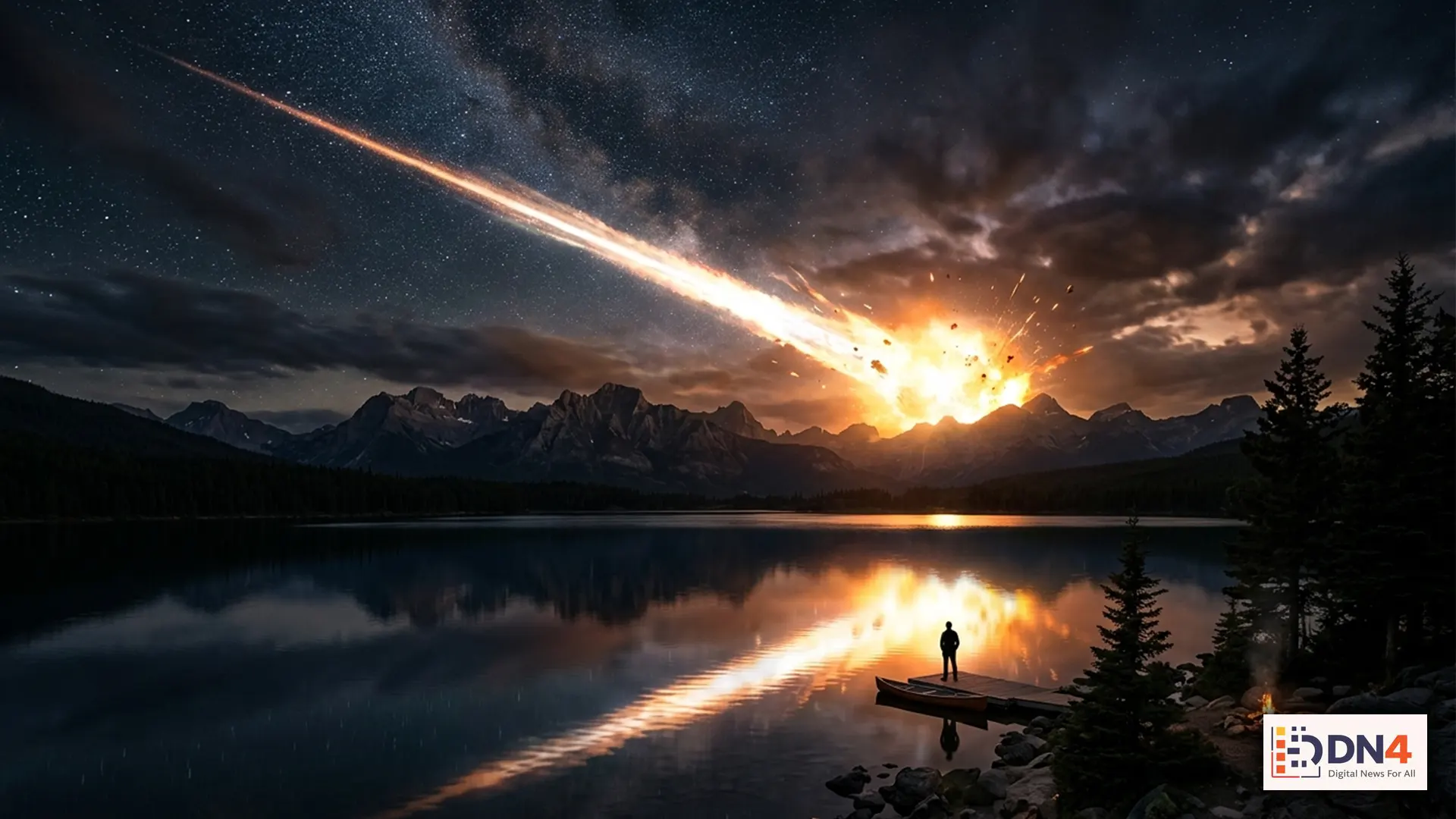
Residents across northern Ohio were stunned on March 17 when a blazing fireball streaked across the sky and exploded over Lake Erie. The event lit up the night, triggered sonic booms, and raised one urgent question: How did NASA miss this?
A Dramatic Night Over Lake Erie
Eyewitnesses described a bright, fast-moving object tearing through the sky before detonating in a flash. According to early reports, the meteor likely disintegrated high in the atmosphere, avoiding major damage but leaving shockwaves across the region.
Events like this are often tracked by organizations such as NASA’s Planetary Defense Coordination Office, yet this one appeared with little to no warning.
Why NASA’s Detection Systems Missed It
While it may seem alarming, missed detections are not uncommon. Here’s why:
1. Small Size, Big Impact
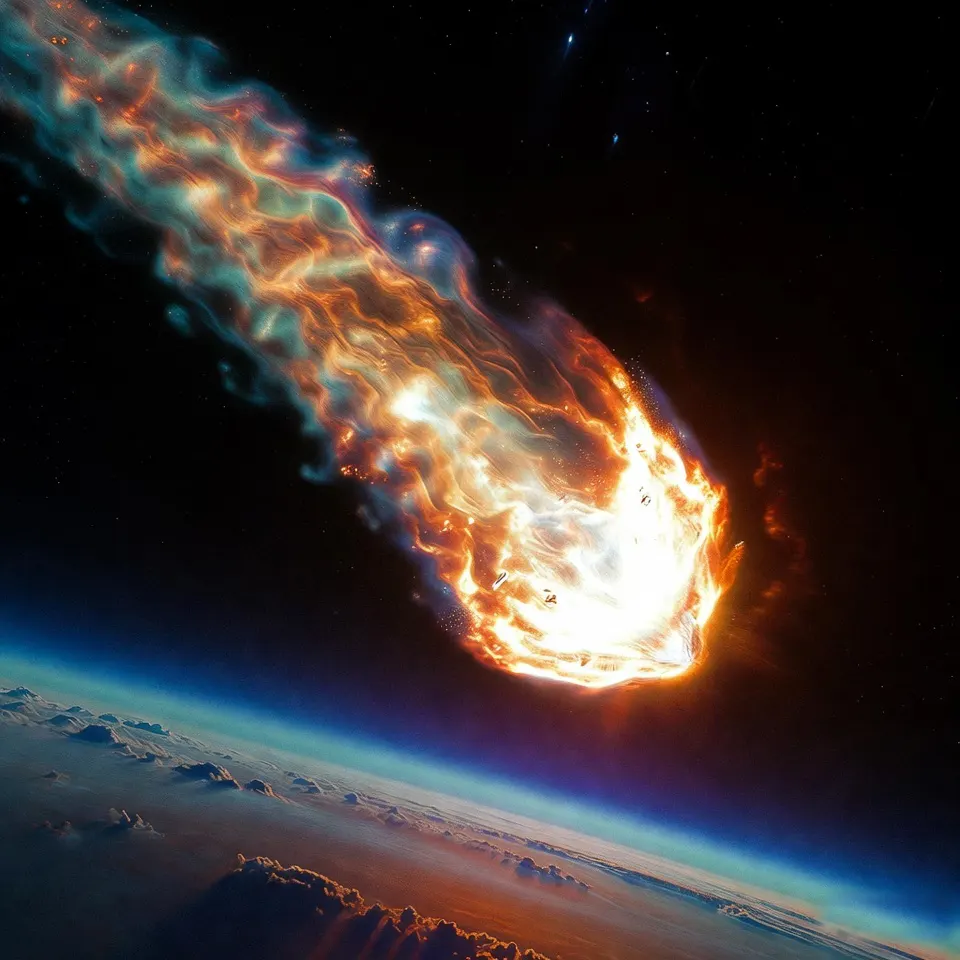
Many meteors that create fireballs are relatively small—sometimes just a few meters wide. These objects are difficult to detect using current telescope systems.
2. Blind Spots in Observation
Detection systems rely heavily on ground-based telescopes. Objects approaching from the direction of the sun often go unnoticed, a limitation highlighted by NASA’s Center for Near-Earth Object Studies.
3. Speed and Trajectory
Meteors travel at extreme speeds, often exceeding 40,000 mph. This gives scientists very little time to react—even if detected.
4. Atmospheric Entry Timing
Some meteors only become visible moments before entering Earth’s atmosphere, making early warning nearly impossible.
How Often Do Fireballs Occur?
According to data from the American Meteor Society, thousands of fireballs occur every year—but most go unnoticed because they happen over oceans or unpopulated areas.
The Cleveland event stands out because of its visibility and proximity to populated regions.
Should You Be Concerned?
The good news: events like this are rarely dangerous. Earth’s atmosphere acts as a natural shield, breaking apart most incoming objects.
However, larger events—like the 2013 Chelyabinsk meteor in Russia—show that damage is possible.
What To Do During a Fireball Event
If you ever witness a similar event, here are key safety tips:
- Stay indoors: Avoid windows in case of shockwaves
- Do not approach impact sites: Debris may be hazardous
- Report sightings: Use platforms like AMS Fireball Report
- Follow official updates: Check reliable sources like NOAA
The Future of Planetary Defense
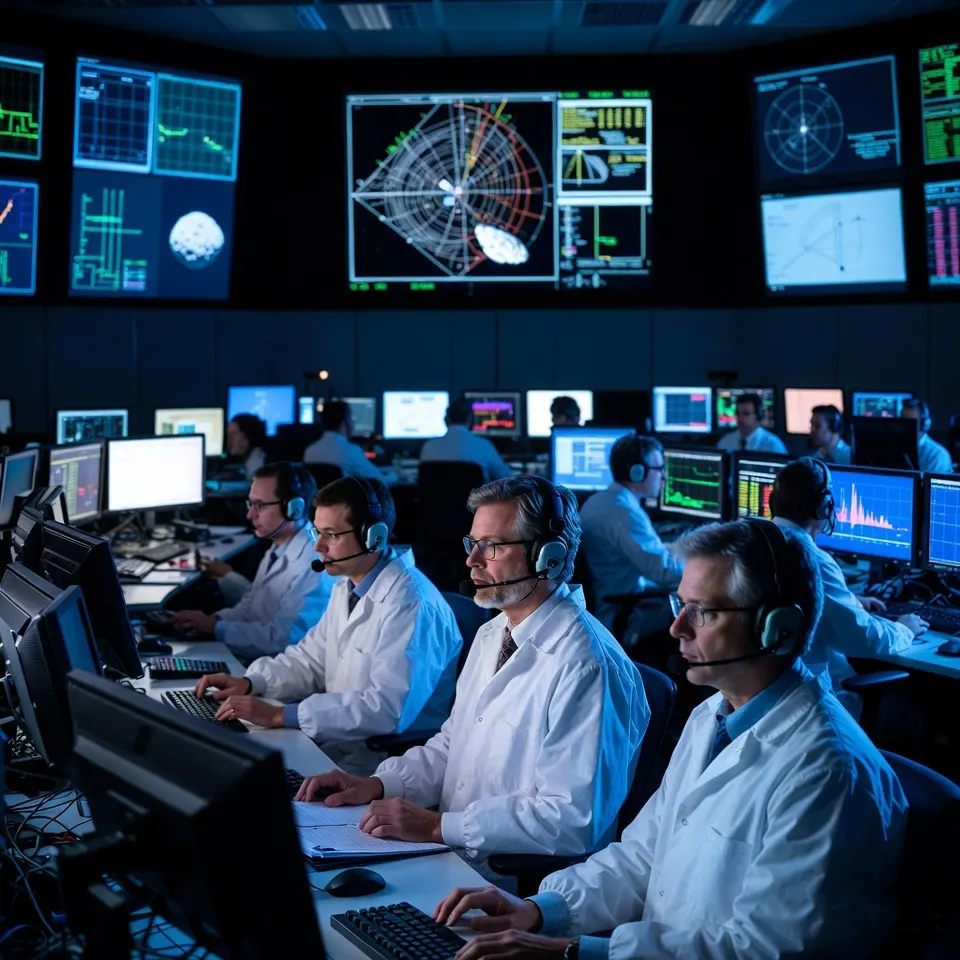
NASA and global space agencies are actively working to improve detection systems. Projects like advanced infrared telescopes and space-based monitoring aim to reduce blind spots.
Programs such as NASA’s DART mission demonstrate how scientists are preparing to deflect potentially dangerous asteroids.
What This Means for the Public
The Cleveland fireball is a reminder that space is dynamic and unpredictable. While technology continues to improve, not every event can be forecasted.
But here’s the key takeaway: Most meteors pose no real threat—and increased awareness is your best defense.
The March 17 fireball wasn’t a failure—it was a wake-up call. As detection systems evolve, so will our ability to predict and respond to these cosmic events.
Until then, the sky may still surprise us.
#ClevelandFireball #Meteor2026 #SpaceNews #NASA #AsteroidWatch #FireballEvent #PlanetaryDefense #SpaceScience