

 By Vinod Ram
Chatbots defined the first wave of generative AI. In 2026, that era is ending. A new model is taking over: agentic AI.
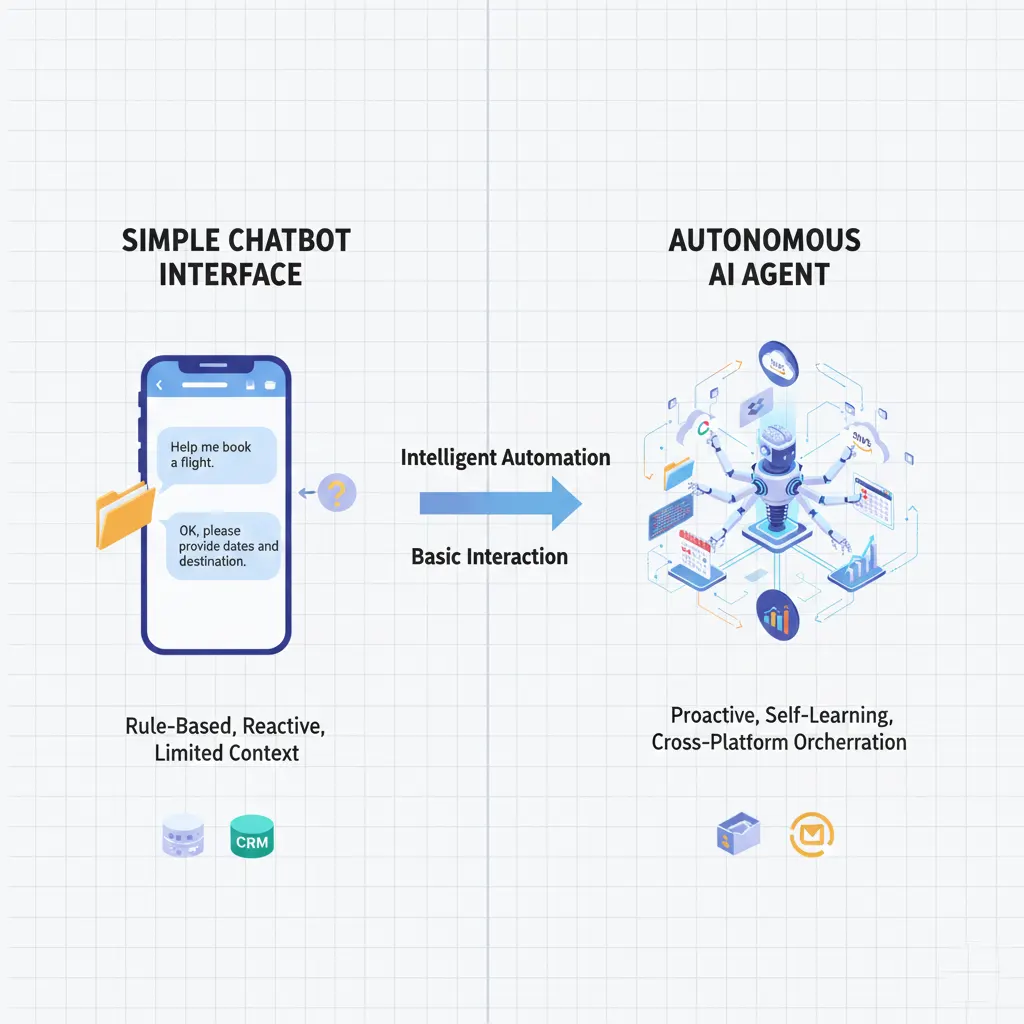
Unlike chatbots, AI agents do not just respond. They plan, act, and execute tasks across systems. As a result, companies are rethinking how artificial intelligence fits into daily work.
What Is Agentic AI?
Agentic AI refers to systems that can operate with autonomy. These agents set goals, make decisions, and take actions without constant human prompts.
According to research firms like Gartner, agentic systems represent a shift from reactive AI to proactive digital workers.
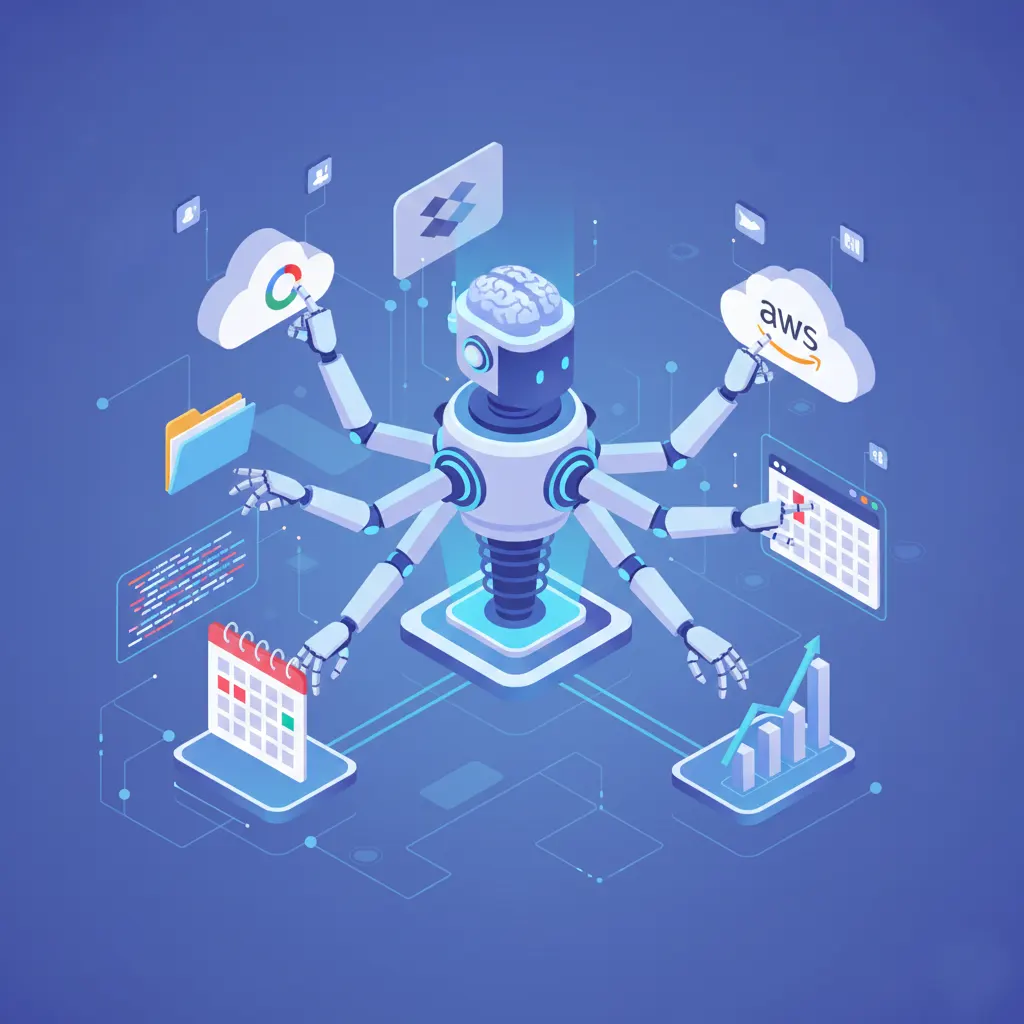
Instead of answering questions, agents complete workflows. They book meetings, write code, analyze data, and coordinate with other software tools.
Why Chatbots Are No Longer Enough
Chatbots excel at conversation. However, they stop at the interface.
Businesses want outcomes, not replies. They need systems that can act inside CRMs, cloud platforms, and internal databases.
That demand explains why companies like OpenAI, Anthropic, and Microsoft are investing heavily in agent frameworks rather than standalone chat interfaces.
How AI Agents Actually Work
An AI agent combines several components. These include a language model, memory, tools, and decision logic.
First, the agent understands a goal. Next, it breaks that goal into steps. Then, it uses APIs, software tools, or other agents to complete the task.
Frameworks such as LangChain and emerging agent platforms make this orchestration possible at scale.
Where Agentic AI Is Being Used
In 2026, agentic AI is moving from demos into production.
Enterprises deploy agents for customer support escalation, financial forecasting, software testing, and cybersecurity monitoring.
Meanwhile, productivity tools like Microsoft Copilot are evolving into task-completing agents rather than passive assistants.
The Risks of Autonomous AI
Greater autonomy brings greater risk. Agents can make mistakes at scale.
Security experts warn about runaway actions, permission misuse, and opaque decision-making. Therefore, guardrails and human oversight remain essential.
Institutions like the World Economic Forum emphasize governance frameworks to ensure safe deployment.
Why 2026 Is the Turning Point
Several forces converge in 2026. Models are stronger. Tools are standardized. Companies trust AI with real work.
As infrastructure matures, agents become cheaper and more reliable. That shift makes widespread adoption inevitable.
Just as cloud computing replaced on-premise servers, agentic AI is replacing static chatbots.
Chatbots taught machines to talk. Agents teach them to act.
In 2026, the competitive advantage will not come from better prompts. It will come from better agents. Companies that adapt early will define the next decade of AI-powered work.
#AgenticAI #ArtificialIntelligence #FutureOfWork #Automation #AI2026 #TechTrends #EnterpriseAI