

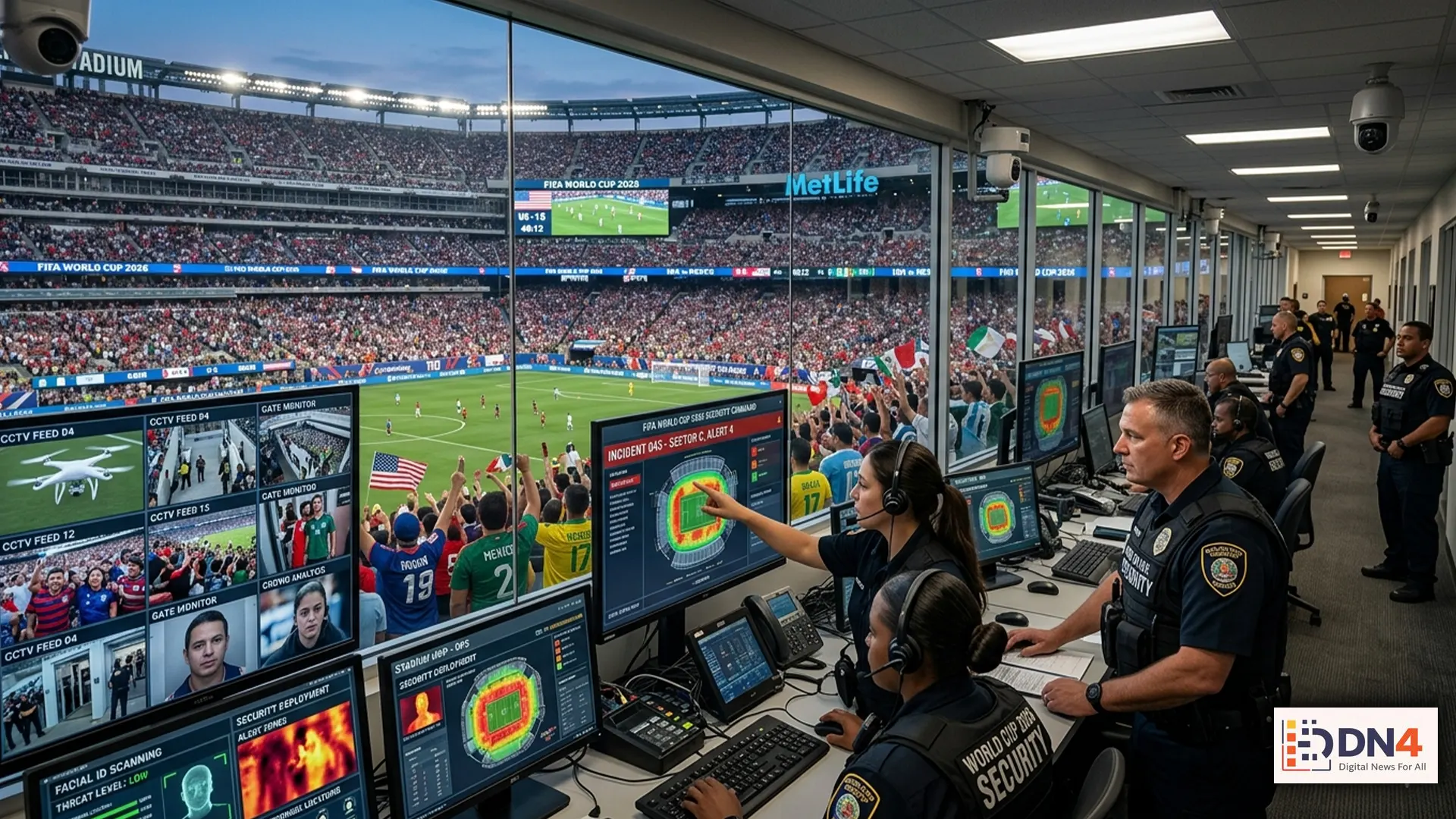
As the FIFA World Cup 2026 approaches, excitement is building among football fans worldwide. While millions eagerly await the matches, an equally important effort is taking place behind the scenes. Security agencies, stadium operators, technology experts, and emergency response teams are working together to create one of the most comprehensive sporting event security operations ever conducted in North America.
The United States will host the majority of World Cup matches, attracting millions of spectators and global media attention. Ensuring the safety of fans, players, officials, and staff requires extensive planning, cutting-edge technology, and coordination across multiple government agencies.
The Scale of World Cup Security Operations
Large international sporting events are considered high-profile gatherings that require significant security resources. According to the U.S. Department of Homeland Security, major sporting events involve collaboration between federal, state, and local authorities to address potential risks and maintain public safety.
For FIFA World Cup 2026, security planning began years before kickoff. Agencies are conducting risk assessments, emergency response exercises, and infrastructure reviews to ensure venues can safely accommodate large crowds.
Advanced Surveillance and Monitoring Systems
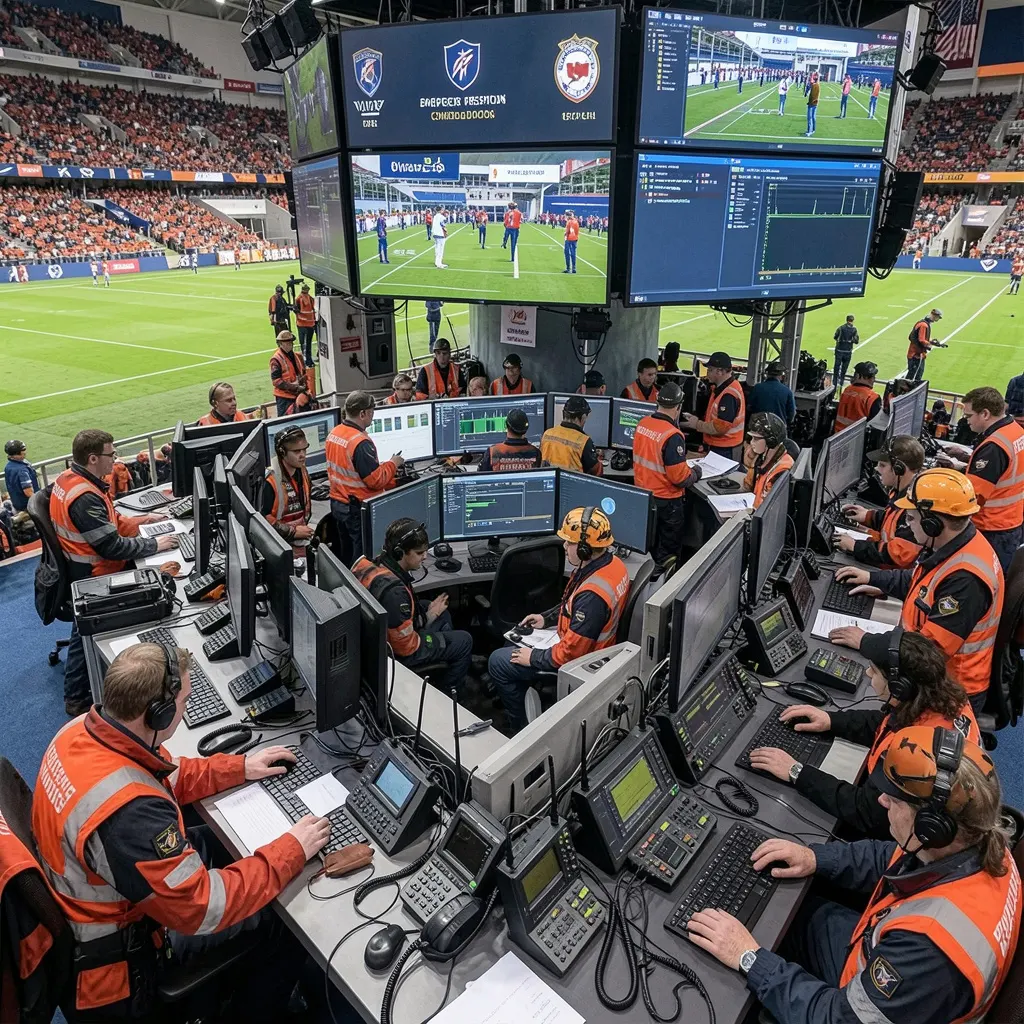
Modern stadium security relies heavily on technology. High-definition cameras, artificial intelligence-powered monitoring systems, and integrated command centers allow security personnel to observe activities across entire venues in real time.
Organizations such as the Cybersecurity and Infrastructure Security Agency (CISA) emphasize the importance of combining physical security with digital protection to safeguard critical infrastructure.
AI-powered systems can help identify unusual behavior patterns, crowd congestion points, and operational issues, allowing teams to respond more quickly and efficiently.
Crowd Management Strategies
Managing tens of thousands of spectators inside and outside stadiums presents unique challenges. Security teams are implementing advanced ticket verification systems, enhanced screening checkpoints, and digital crowd-flow monitoring technologies.
Many venues are also using predictive analytics to anticipate crowd movements and deploy resources where they are needed most. Guidance from the Federal Emergency Management Agency (FEMA) supports emergency preparedness efforts for large public events.
The Critical Role of Cybersecurity
Today’s sporting venues are more connected than ever. Digital ticketing systems, mobile applications, payment platforms, broadcasting networks, and communication systems all require robust cybersecurity protections.
The National Institute of Standards and Technology (NIST) provides cybersecurity frameworks that help organizations identify and manage potential digital threats.
Cybersecurity teams continuously monitor systems for suspicious activity and conduct vulnerability assessments to prevent disruptions during matches.
Emergency Response and Medical Preparedness
Every World Cup venue maintains detailed emergency response plans involving local law enforcement, fire departments, medical teams, transportation agencies, and federal authorities.
Organizations such as the American Red Cross often participate in preparedness training and response planning for major public gatherings.
Medical teams will be strategically positioned throughout stadiums to provide rapid assistance if needed, while emergency evacuation procedures are regularly tested through simulation exercises.
What Fans Should Expect
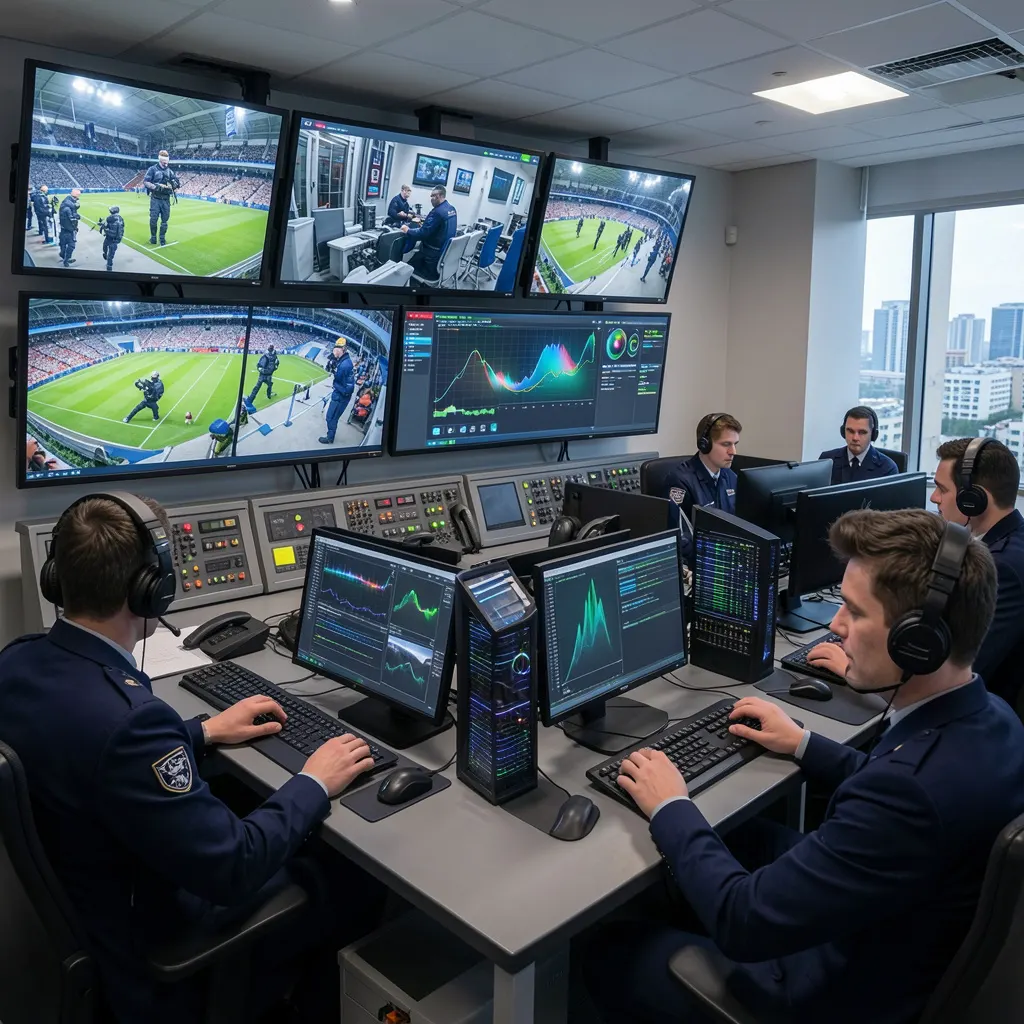
Fans attending FIFA World Cup matches should anticipate enhanced security screening, increased personnel presence, and strict compliance with venue regulations. Arriving early, carrying only approved items, and following official guidance from FIFA can help ensure a smooth experience.
While some security measures may add time to stadium entry, they play a vital role in creating a safe and enjoyable environment for everyone involved.
The Future of Stadium Security
The FIFA World Cup 2026 will serve as a showcase for the latest advancements in event security. From AI-powered surveillance and cybersecurity operations to coordinated emergency response planning, the tournament demonstrates how technology and collaboration are transforming public safety.
As the world gathers to celebrate football, the extensive preparations underway behind the scenes highlight the enormous effort required to protect one of the largest sporting events on the planet.
#WorldCup2026 #WorldCupSecurity #FIFA2026 #StadiumSecurity #SportsSafety #Cybersecurity #EventSecurity #PublicSafety #USStadiums