

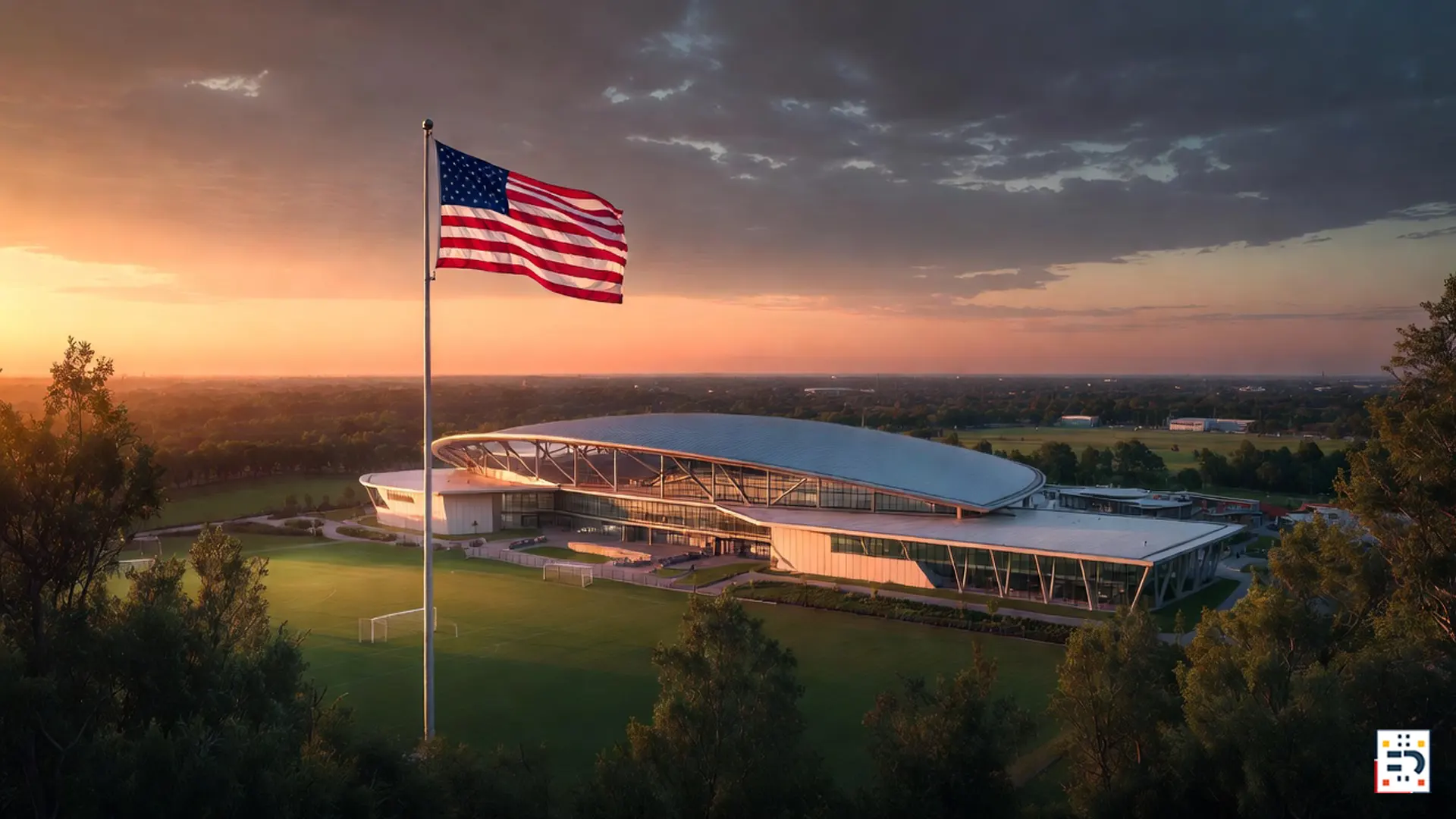
With the 2026 FIFA World Cup approaching, US Soccer is making a bold $200 million infrastructure bet: state-of-the-art national training centers designed to elevate player development, centralize operations, and create a lasting legacy for American soccer.
As the United States prepares to co-host the world’s biggest sporting event, this investment could define not just tournament performance — but the future of the sport domestically.
Why US Soccer Is Investing $200 Million Now
The U.S. Soccer Federation has long faced criticism for lacking a centralized, world-class training base comparable to European powerhouses.
Countries like France and England operate permanent high-performance centers that serve as both elite training hubs and youth development pipelines. US Soccer’s new facilities aim to close that structural gap.
According to sports business analysts at Sportico, infrastructure investments often deliver long-term returns beyond immediate tournament results.
What the New National Training Centers Include
- Elite grass and hybrid pitches
- Sports science and recovery labs
- Video analytics suites
- Youth academy housing
- Coaching education classrooms
Modern training environments integrate data and technology. Organizations like Stats Perform and advanced analytics firms are transforming how teams analyze performance, workload, and injury prevention.
How This Impacts the USMNT for 2026
The MLS has improved domestic talent pipelines, but critics argue that elite development pathways remain fragmented.
A centralized national campus provides:
- Consistent tactical identity
- Standardized sports science protocols
- Better integration between youth and senior teams
- Commercial event hosting opportunities
Coverage from ESPN Soccer has highlighted the importance of infrastructure in international tournament success.
The Economic and Commercial Angle
The 2026 World Cup is projected to generate billions in economic activity across North America. Reports from CNBC Sports Business indicate that host cities expect massive tourism, sponsorship, and broadcasting revenue.
For US Soccer, the $200M gamble is also a branding play:
- Attracting global friendlies and tournaments
- Hosting coaching symposiums
- Driving youth participation growth
- Securing corporate sponsorship deals

Can Infrastructure Translate to Results?
Facilities alone don’t guarantee trophies. But elite environments reduce variability and enhance preparation.
Historical case studies — including Germany’s post-2000 academy reforms — demonstrate how infrastructure shifts can reshape national team trajectories.
As outlined by BBC Sport, long-term planning often determines World Cup cycles.
The Legacy Question
The ultimate measure of this $200 million bet won’t just be how far the U.S. advances in 2026.
It will be whether, a decade from now, the United States is consistently producing elite-level talent capable of competing with global giants.
If the gamble pays off, 2026 won’t just be remembered as a hosting milestone — it will mark a turning point in American soccer history.
#USSoccer #WorldCup2026 #USMNT #SoccerDevelopment #SportsBusiness #MLS #YouthSoccer #FootballInfrastructure