

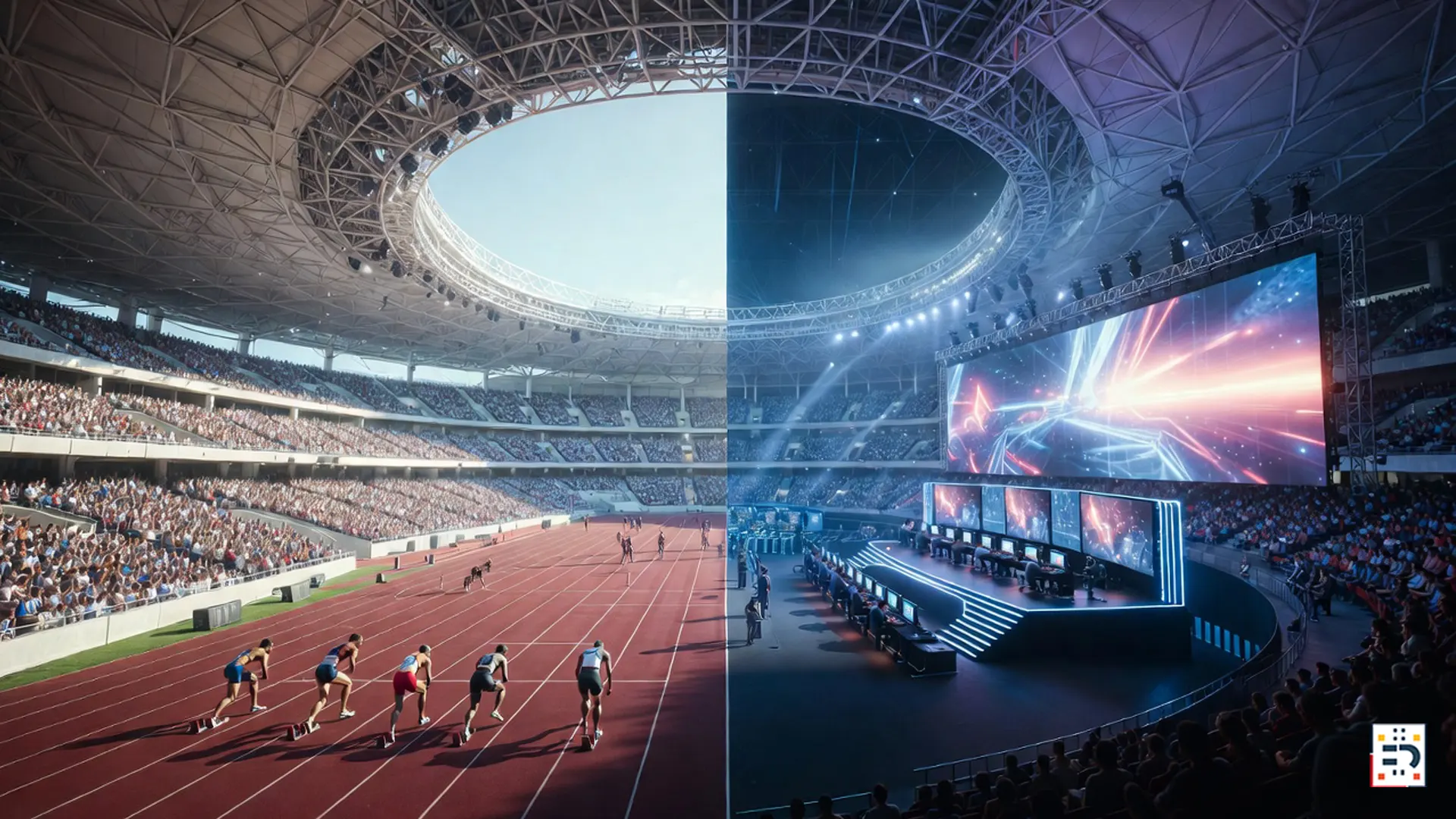
The idea of an eSports Olympics is no longer speculative — it is rapidly becoming reality. As competitive gaming surges in global popularity, traditional sports institutions are facing a new question:
Should a gold medal in Gaming count as much as one in Track & Field?
That debate is no longer confined to online forums. It is now part of serious discussions within the International Olympic Committee (IOC).
The Emergence of Olympic eSports
The IOC has already taken formal steps with initiatives such as the Olympic Esports Series, signaling recognition of competitive gaming as a legitimate global competition platform.
According to industry data reported by Statista, the global eSports market generates billions in annual revenue, fueled by sponsorships, streaming, and international tournaments.
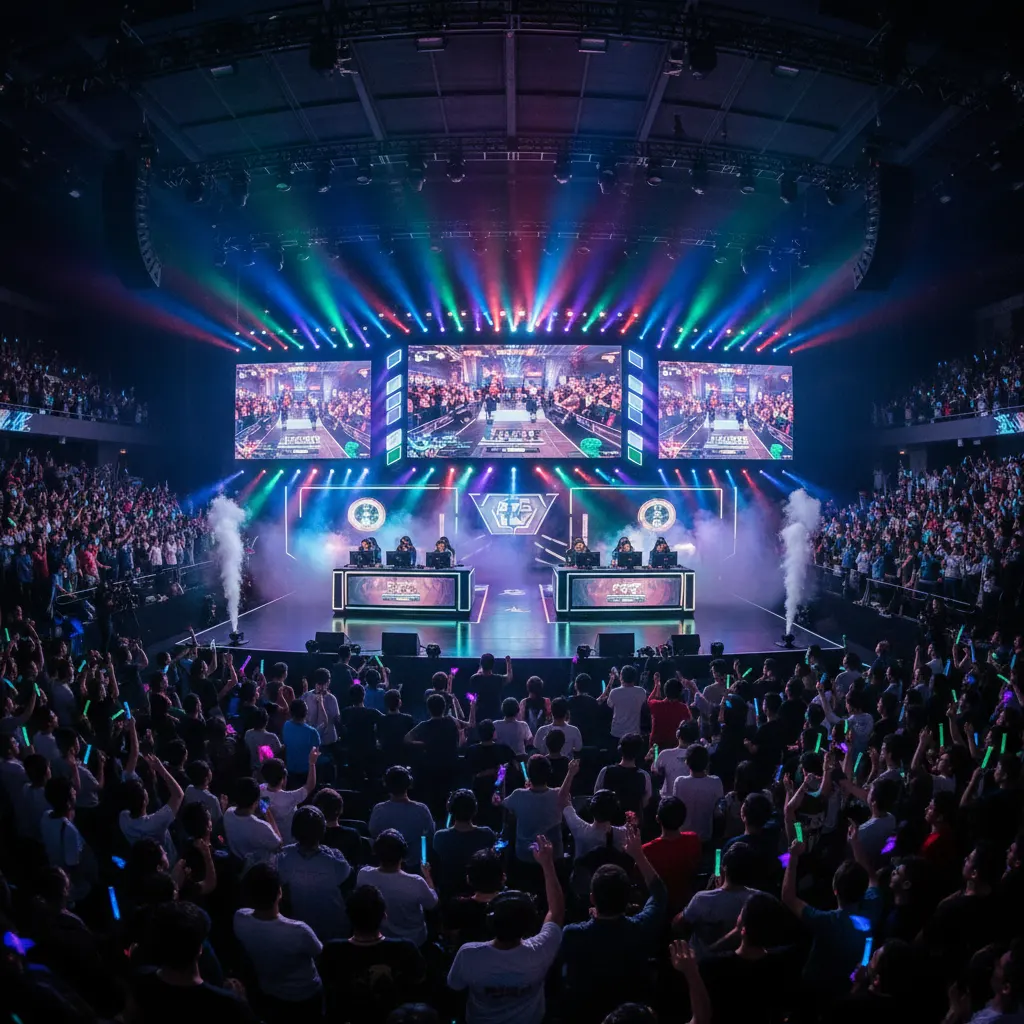
Why eSports Is Gaining Olympic Attention
- Massive Global Audience: Streaming platforms like Twitch and YouTube Gaming draw millions of concurrent viewers.
- Younger Demographics: Gen Z engagement in gaming far exceeds traditional broadcast sports viewership.
- Corporate Sponsorship: Brands increasingly invest in eSports partnerships, as covered by Forbes.
For the IOC, integrating gaming may represent a strategic move to maintain relevance in a rapidly digitizing entertainment economy.
Is Physical Sport Losing Its Grip?
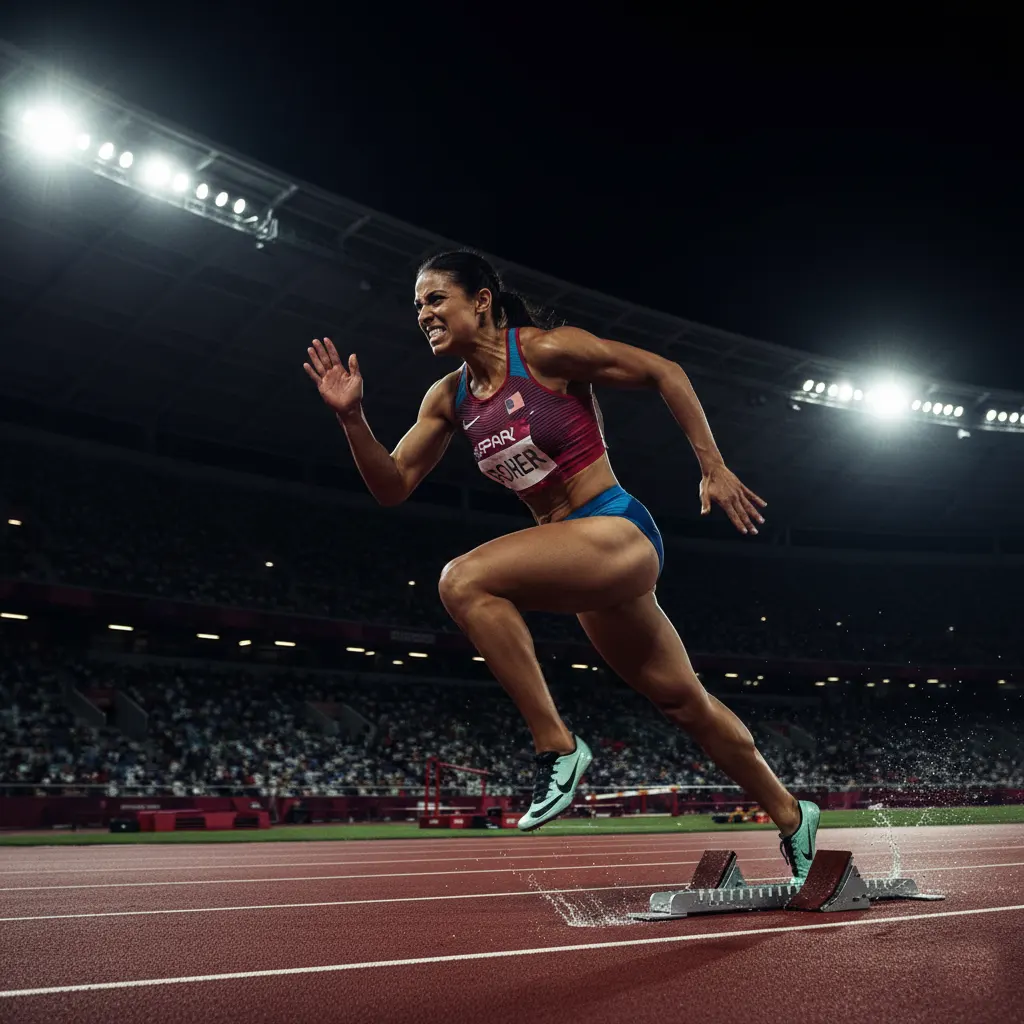
Traditional sports still command global prestige. Events like the Summer and Winter Games remain among the most-watched broadcasts worldwide.
Yet participation trends in some Western nations show declining youth engagement in organized physical sports, while gaming participation continues to grow.
Major publishers such as Electronic Arts and tournament organizers including ESL Gaming have built structured, professional ecosystems rivaling traditional leagues.
The Skill Debate: Physical vs Digital
Critics argue that Olympic competition has always celebrated physical excellence. Supporters counter that eSports demands:
- Elite reaction time
- Strategic intelligence
- Team coordination
- Mental endurance under pressure
Neuroscientific studies referenced by outlets like BBC Sport highlight the cognitive intensity required in professional gaming.
The Commercial Angle
From a revenue perspective, the integration of gaming could attract:
- Technology sponsors
- Streaming platforms
- Hardware manufacturers
- Global youth-focused brands
The Olympic movement, facing rising hosting costs, may view digital competition as both expansion and sustainability strategy.
The Polarizing Question
Should a gold medal in Gaming count as much as one in Track & Field?
As the lines between physical and digital competition blur, the definition of “sport” itself is being rewritten.
#eSportsOlympics #GamingDebate #OlympicFuture #DigitalCompetition #EsportsIndustry #SportsEvolution