

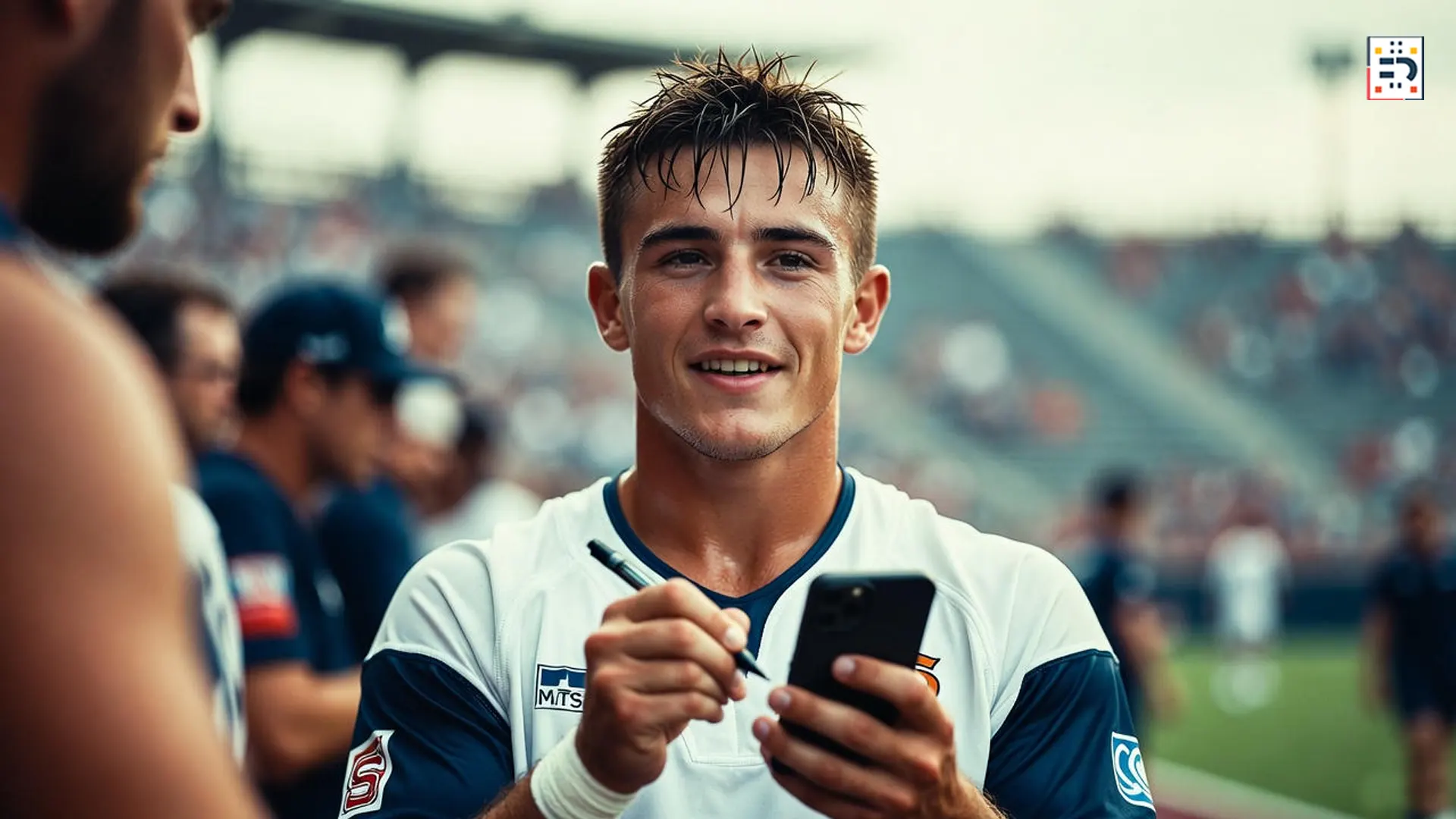
For decades, college sports lived under the illusion of amateurism. That illusion finally collapsed in 2025. What emerged in its place is a new reality: college athletes as fully realized personal brands, operating at the intersection of sports, media, and business.
Powered by NIL rights, social media scale, and institutional change, 2025 became the year when college sports officially crossed into professional territory—without ever using the word “pro.”
From Amateur Ideal to Athlete Enterprise
The transformation did not happen overnight. Legal and cultural shifts over the past several years dismantled the NCAA’s longstanding restrictions on athlete compensation. The landmark NCAA v. Alston decision accelerated the process, opening the door to what would become the modern NIL economy.
By 2025, athletes were no longer simply endorsing products—they were running businesses. Many now employ agents, brand managers, and content strategists before they ever play a professional down.
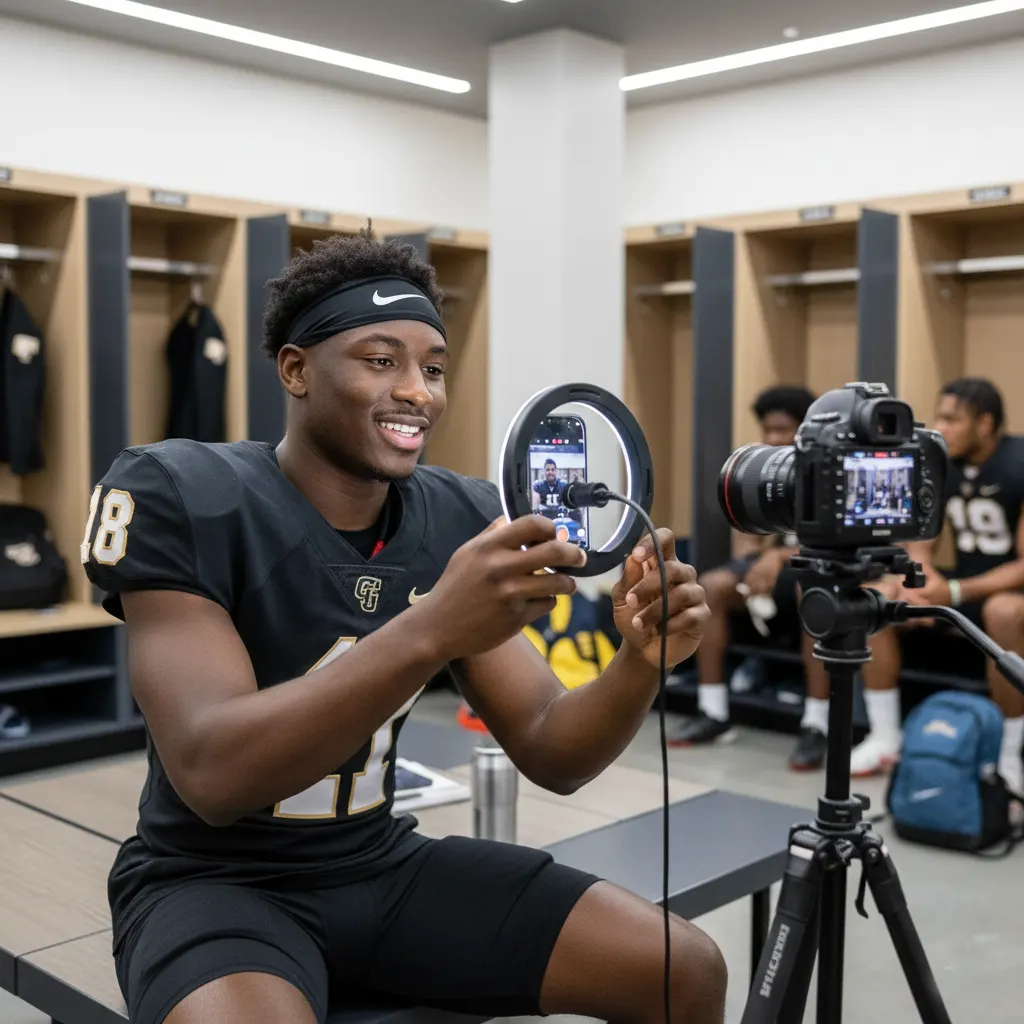
NIL Deals Changed the Economics of College Sports
Name, Image, and Likeness (NIL) rules reshaped the financial foundation of college athletics. According to reporting by ESPN, top college athletes in football and basketball now earn sums that rival entry-level professional contracts.
These deals extend far beyond jersey sponsorships. Athletes monetize through:
- Social media partnerships
- YouTube and podcast revenue
- Merchandise and personal brands
- Local and national endorsements
The result is a system where marketability can matter as much as on-field performance.
Social Media Turned Athletes Into Media Companies
Platforms like Instagram, TikTok, and YouTube have become essential infrastructure for modern athletes.
A strong following now translates directly into leverage—both with brands and with schools. Athletes with millions of followers can drive ticket sales, merchandise demand, and national attention.
As Forbes Sports has noted, some college athletes now command larger digital audiences than entire athletic departments.
How Schools and Conferences Adapted
Universities could not ignore the shift. By 2025, most major programs had:
- NIL compliance and advisory departments
- Brand-building resources for athletes
- Partnerships with NIL collectives
Conferences also leaned into the professional model, renegotiating media rights and emphasizing athlete visibility. Coverage by Sports Business Journal highlights how broadcast partners increasingly market individual stars—not just teams.
College sports began to resemble professional leagues in everything but formal contracts.
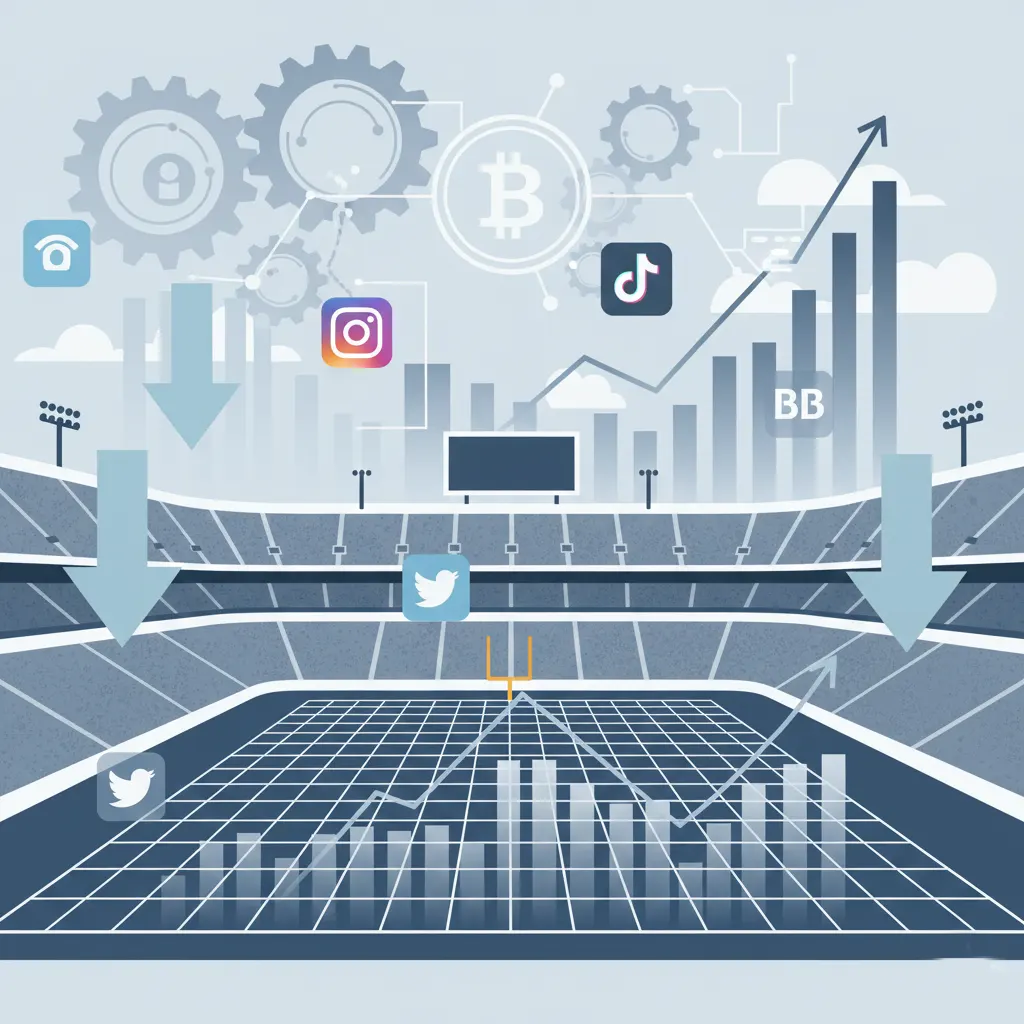
The Winners, the Risks, and the Uneven Playing Field
While top athletes benefit enormously, the professionalization of college sports has introduced new challenges:
- Widening gaps between elite and lower-tier programs
- Increased pressure on young athletes to perform as brands
- Blurred lines between education and entertainment
Critics cited by The New York Times Sports warn that without clear guardrails, the system risks prioritizing profit over athlete development.
Still, momentum suggests there is no going back.
Why 2025 Was the Point of No Return
More than any rule change, 2025 marked a cultural shift. Fans, brands, and athletes alike stopped pretending college sports were amateur.
Recruiting decisions now factor in:
- Market size and exposure
- NIL infrastructure
- Brand-building opportunities
In effect, athletes choose schools the way professionals choose franchises.
The professionalization of college sports is no longer a debate—it’s a reality. In 2025, the athlete-brand became the defining force of the NCAA era, reshaping power, money, and identity across the landscape.
What comes next may determine whether college sports can balance opportunity with integrity—or fully embrace its new professional future.
#CollegeSports #AthleteBrand #NILEra #CollegeAthletes #SportsBusiness #NCAA